World-class training for the modern energy industry

2023 Training Course Dates

Booking is now open on the initial release of GeoLogica’s 2023 scheduled training courses. Our rolling programme of GeoEnergy Transition and Subsurface courses will continue to be updated as the weeks and months progress but, in the meantime, make the most of the Early Bird prices. We’ll be honouring our 2022 prices until 31 January 2023.

All of us at GeoLogica are proud to be at the forefront of geoscience training in the  GeoEnergy Transition field and we have a number of new courses on offer for next year. Our courses continue to reflect the critical importance of a rapid shift to a lower carbon economy. Whether you are a geoscientist or lay person, from a financial institution or an energy company, we have training suitable for you.

In addition to our scheduled programme, GeoLogica can run exclusive, customised, online, classroom and field training courses for your team, delivering learning objectives that are relevant to your specific business requirements. Please contact us for more information.

We look forward to welcoming you onto one of our training courses next year.

Mining for Wind

Britain is once again scaling-up its ambitions for harnessing the power of the wind.

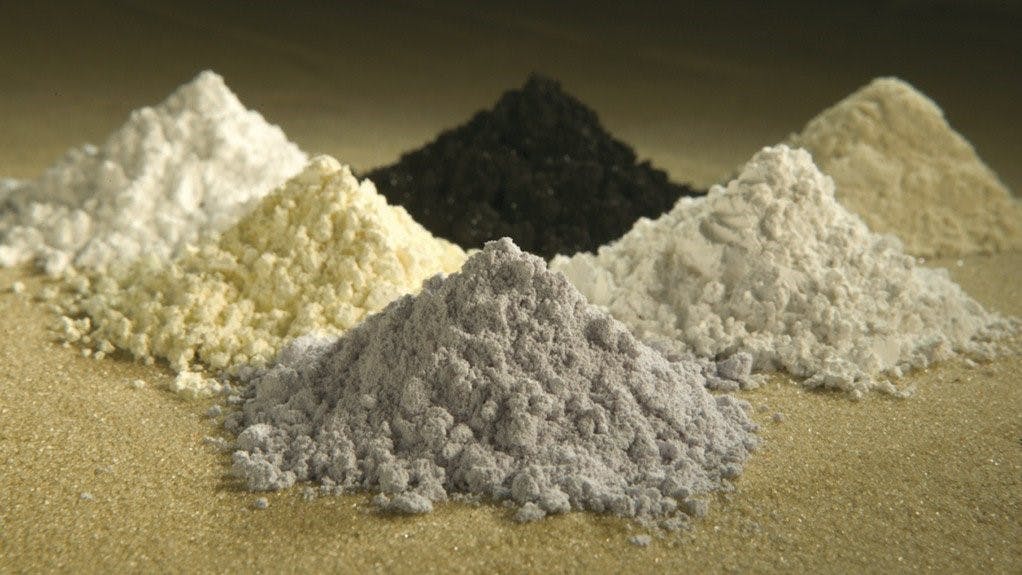
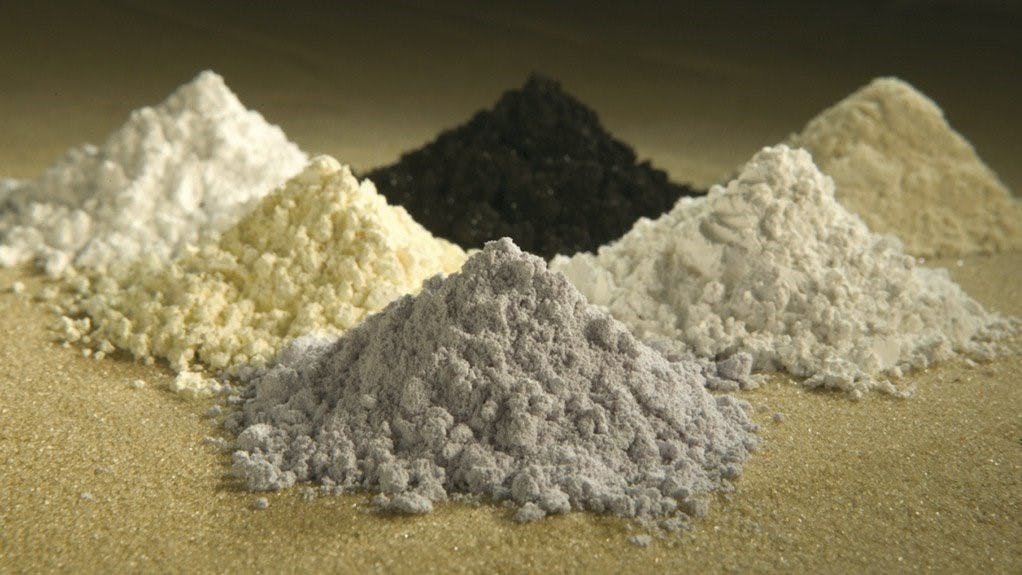
Each direct-drive wind turbine requires a considerable quantity of rare earth elements (REE), used primarily in the manufacture of permanent magnets, including neodymium, praseodymium and dysprosium. Wind turbines are praised for their relatively low environmental impact, however, many are not aware of the large-scale extraction and processing of REE required. While they are quite abundant, REE are predominantly found in low concentrations, so in addition to the considerable cost of acquiring them, there has been growing unease over the UK’s ability to ensure their supply. Currently, the principal source of REE is China. However, the western world is undergoing a rare earth revolution, as countries hastily attempt to establish independent and responsibly sourced supply chains, from new suppliers such as Australia, Canada and Vietnam.

For anyone looking to get involved in this rapidly expanding market, knowledge is key. A selection of GeoLogica’s short courses examine the need for such critical metals, including the geoscience and economic context of REE exploration – find out more here.

rare-earth-unsplash-may-2022

Field Courses with GeoLogica

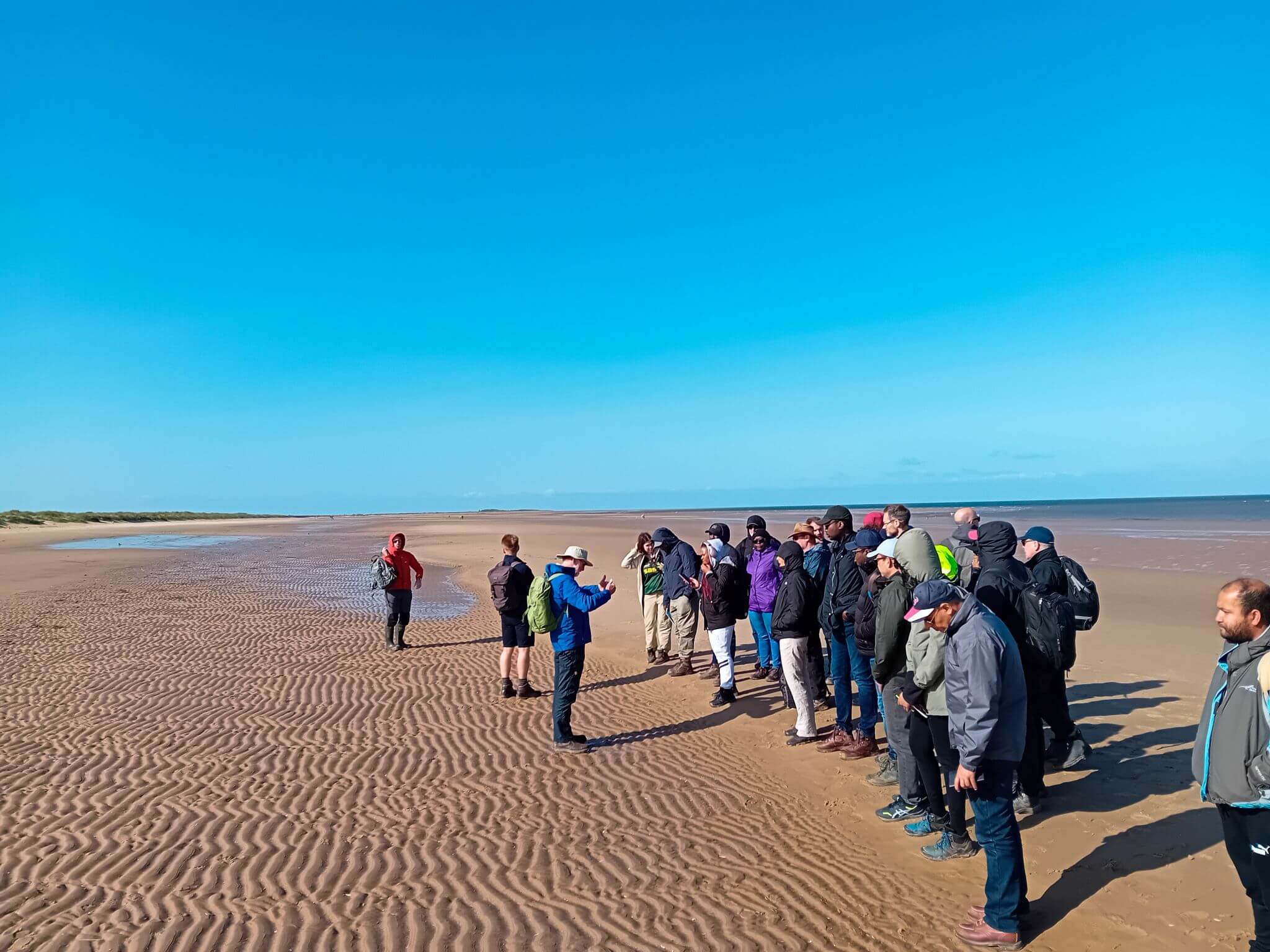
A field course is a unique opportunity to expand your skill set and inspire a team. Typically 4 to 5 days in duration, our residential courses can be delivered in the USA, Europe and elsewhere. Our field courses take place in the most geologically rich locations around the world, allowing you to learn ‘hands-on’ with the most appropriate outcrop analogues. We can tailor a field course to your needs and deliver a bespoke event for your team.

Studies have shown that people learn best through direct observation and experience, interpreting their observations, reflecting on these experiences, then putting the learnings into practice through both exercises and on their return to the workplace.* A well-constructed field course will include all these elements (with the exception of application in the workplace). While ‘virtual field trips’ can address direct observation to a degree, the experience of seeing and examining a section of rock outcrop physically (with the accompanying sensory stimuli of the environment, weather conditions, personal interaction and discussion) cannot be replicated. These rather nebulous aspects contribute fundamentally to the learning experience and consolidate the learning experience in ways that classroom-based learning does not.

At GeoLogica, we have the personnel and experience to conduct field training to the highest safety standards. When combined with our world-leading tutors and full logistics support, the results are a world-class learning experience for your team, all delivered at a competitive price.

Examples from the USA:

Clastic Reservoirs; Stratigraphic and Structural Heterogeneities That Impact Reservoir Performance (Colorado and Utah)

Interpretation and Analysis of Normal Fault Systems for Trap Analysis and Reservoir Management (Utah)

Salt Tectonics and Coeval Sedimentation (Utah)

Reservoir Geology for Non-Geologists (Colorado and Utah)

Examples from the UK and Europe

Carbon Capture – Reservoir Storage and Risk Elements: Insights from the Field (NE England, UK)

Reservoir Characterisation for the Energy Transition (Devon and Dorset, UK)

Lessons from Energy Transitions: Future Integrated Solutions that Sustain Nature and Local Communities (NE England, UK)

Sand-rich Turbidite Systems: From Slope to Basin Plain, Pyrenees (Spain)

* This is widely documented. For example: Field Trips and the Experiential Learning Cycle (and references therein), Marc J. Stern, Robert B. Powell; and Journal of Interpretation Research Volume: 25, Issue: 1, pages: 46-50

It’s All in the Data

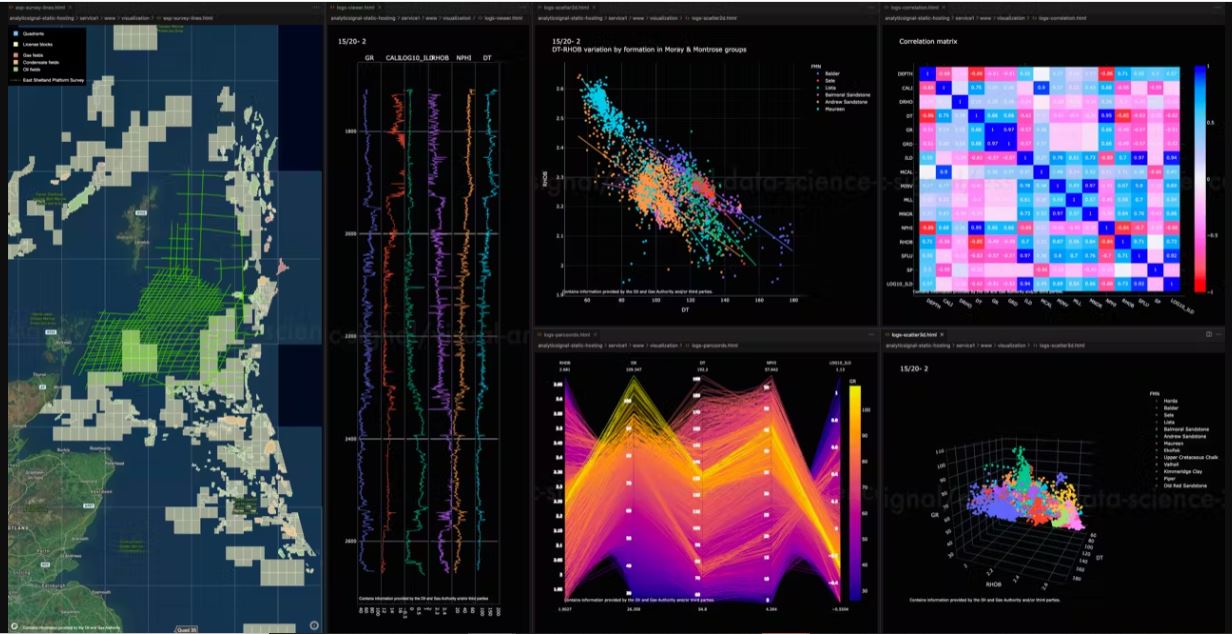
Geologica are delighted to announce a new training course for 2022 – Essential Data Science for Subsurface Geoscientists and Engineers to be taught by David Psaila.

Interest in data science and machine learning is rapidly expanding, offering the promise of increased efficiency in E&P and holding the potential to analyse and extract value from vast amounts of under-utilised legacy data.

This course builds on public datasets, code examples written in Python, statistical graphics and algorithms from popular data science packages to provide a practical introduction to the subject and its application in the E&P domain.

This is an introductory level course and no specialist knowledge of statistics, coding or machine learning is required. Participants will learn the tradecraft of data import and manipulation, data visualisation, exploratory data analysis and building predictive models from data. You’ll gain a powerful working environment for data science on your own computer, which together with code examples provided by the course, will give you a jump start to applying the techniques you’ll learn to your own projects.

For further information on the course contents and to book a place, please follow the link here.

A new training course to get the most from your data!

The Full Rainbow: Explore the Future Hydrogen Landscape with a new GeoLogica Training Course

Hydrogen is the simplest possible molecule yet it is set to have a prominent role within future energy scenarios, predominantly driven by its ability to store and deliver usable energy.

In the UK there are plans to develop a number of projects with hydrogen production and industrial usage, coupled with CO2 capture and storage. These will be driving the sustainable development of a future hydrogen economy.

A new GeoLogica course, Hydrogen Masterclass: Production, Geological Storage and Operational Engineering with Katriona Edlmann, will provide participants with an overview of the current hydrogen landscape, from hydrogen’s role in the energy transition, to its production, geological storage and the economic challenges it presents.

As the hydrogen economy grows, demand is likely to exceed capacity of above-ground energy storage technologies. There will be a need for the geological storage of hydrogen in a variety of locations, including depleted gas fields and mined salt caverns. Katriona’s course takes a focused look at the key considerations of these geological storage options, including their capacity, integrity and operational issues. Participants will learn to:

  1. Appreciate the role of geoscience in the hydrogen economy and the contribution hydrogen can make to the energy transition in support of net zero emission targets.

  2. Describe the different processes involved with hydrogen production and the associated lifecycle carbon intensity of this production.

  3. Recall details of the developing hydrogen supply chains, including infrastructure considerations, distribution networks and pathways for market growth.

  4. Describe the different geological storage options available and their capacity and spatial constraints.

  5. Understand hydrogen as a fluid in the subsurface, including its thermodynamic and transport properties.

  6. Characterise the geomechanical considerations for storage integrity and associated risks, including caprock sealing considerations.

  7. Appreciate the impact of geochemical and microbial interactions in subsurface hydrogen stores and the relevant monitoring and management tools.

  8. Describe the operational engineering considerations and monitoring of hydrogen storage sites.

Join the hydrogen debate and explore the role that hydrogen can play in decarbonising the energy system with GeoLogica training.

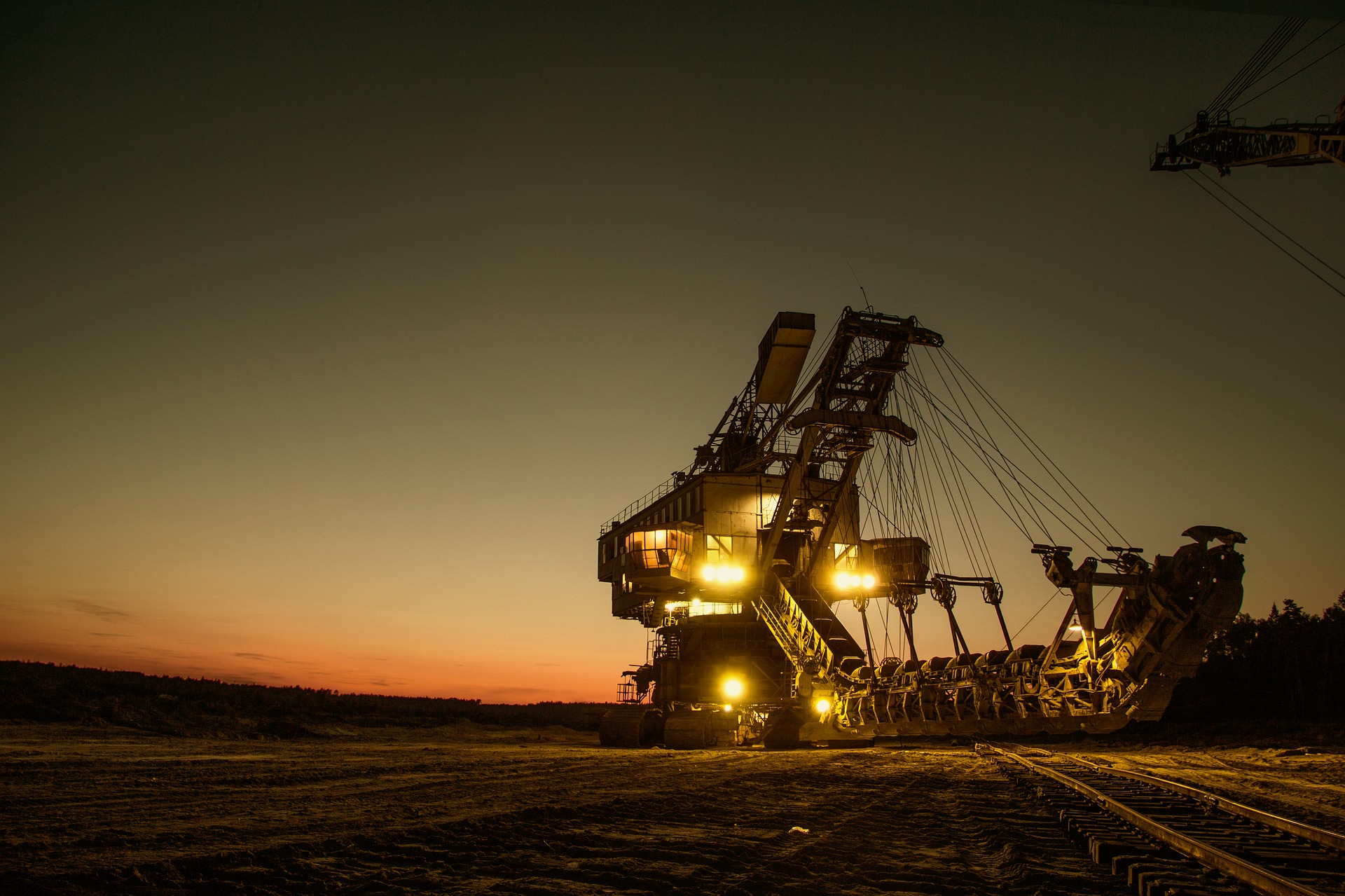
Critical Minerals for the GeoEnergy Transition: Dig deeper with a GeoLogica training course

Explore the key concepts of critical mineral exploration and the challenges of sustainable mining.

Building low carbon technologies is very mineral intensive and these essential raw materials are set to play a crucial role in the energy transition. Critical metals’ extractors will need to generate and rank exploration prospects efficiently, evaluate project risk and increase geoscience productivity. The impact of increased extraction is, however, often overlooked. It remains vital that these materials are sourced and extracted in the most responsible manner possible.

GeoLogica has a unique selection of training courses focusing on critical minerals; these are highlighted below.

G503 Critical Minerals for the GeoEnergy Transition with Lucy Crane

Covering all aspects of the crucial role that critical raw materials will play in the energy transition; from exploration through to supply chains and the importance of responsible sourcing.

G530 Critical Resources – Rare Earth Elements with Holly Elliott

This course covers all aspects of rare earth elements (REE) as critical resources, both in terms of technological advancement and combating climate change. The course delves into the major sources of these elements, their tectonic settings and the enrichment processes that lead to deposit formation.

Carbon Capture and Storage – Mastering the Science with GeoLogica

Explore the science of CCS with GeoLogica and let us help you communicate and facilitate the key scientific drivers towards a net-zero world.

Carbon Capture and Storage (CCS) remains a key technology in our step towards a net-zero future, but there is clearly a need for an up-scale in the number of CCS projects to help meet global targets. As we have seen at COP26, the requirement to share scientific knowledge and therefore improve a wider understanding of the realities and technologies at stake is key to achieving our net-zero goals. GeoLogica is happy to provide an opportunity to explore the science of CCS in our unique, tutor-led classes. Addressing a range of topics, including the fundamental question of how much CCS is needed to make a difference to global warming, our CCS portfolio not only explains the need for CCS but presents evidence as to why and how geoscientists know it can be an effective tool at mitigating greenhouse gas emissions.

Below is a summary of our CCS portfolio that includes both online and field courses. Further information on each course can be found on our website.

ONLINE COURSES

Carbon Capture and Storage Masterclass with Richard Worden

This course establishes the geoscience needs for CCS projects, including CO2 subsurface storage volumetrics, flow and the goals associated with safe permanent storage.

Carbon Capture and Storage for Non-technical Staff with Richard Worden

A course aimed at non-technical staff that will provide participants with an awareness of the geoscience principles and requirements for CCS projects.

Systems to Classify, Categorise and Report Geological CO2 Storage Capacity with Bob Harrison

While large-scale CCS implementation continues to be debated, a subsurface carbon storage management system will be needed when it happens. Such a framework must be capable of describing objective estimates of CO2 storage with respect to quantity and quality of available data, it must give a range of uncertainty in the estimation and provide injection project status from cradle to grave. This course reviews the subsurface carbon storage frameworks that are currently on offer worldwide.

Geologic Carbon Storage for Geoscientists and Engineers with Alex Bump, Seyyed Hosseini and Katherine Romanak

Participants will be guided through the lifecycle of a CCS project with an emphasis on key concepts, processes and workflows of the CCS industry. Focus will be on developing the geoscience and engineering skills needed to progress a project.

FIELD COURSE

Carbon Capture – Reservoir Storage and Risk Elements: Insights from the Field, NE England, UK with Richard Jones

This course is framed around demonstrating the principles of CO2 storage capacity and risk elements of a prospective CCS play. Starting from basic geoscience principles, the course focuses on reservoir capacity estimation, injectivity and containment risks. The principles will be illustrated using well exposed outcrop examples from NE England, including clastic reservoirs from a variety of depositional settings (typically Carboniferous, Permo-Triassic, or Jurassic), sealing lithologies (mudrocks and evaporites), and structural controls on reservoir connectivity and containment (fractures, juxtaposition and fault zone complexity).

Explore the science of CCS with GeoLogica and let us help you communicate and facilitate the key scientific drivers towards a net-zero world.

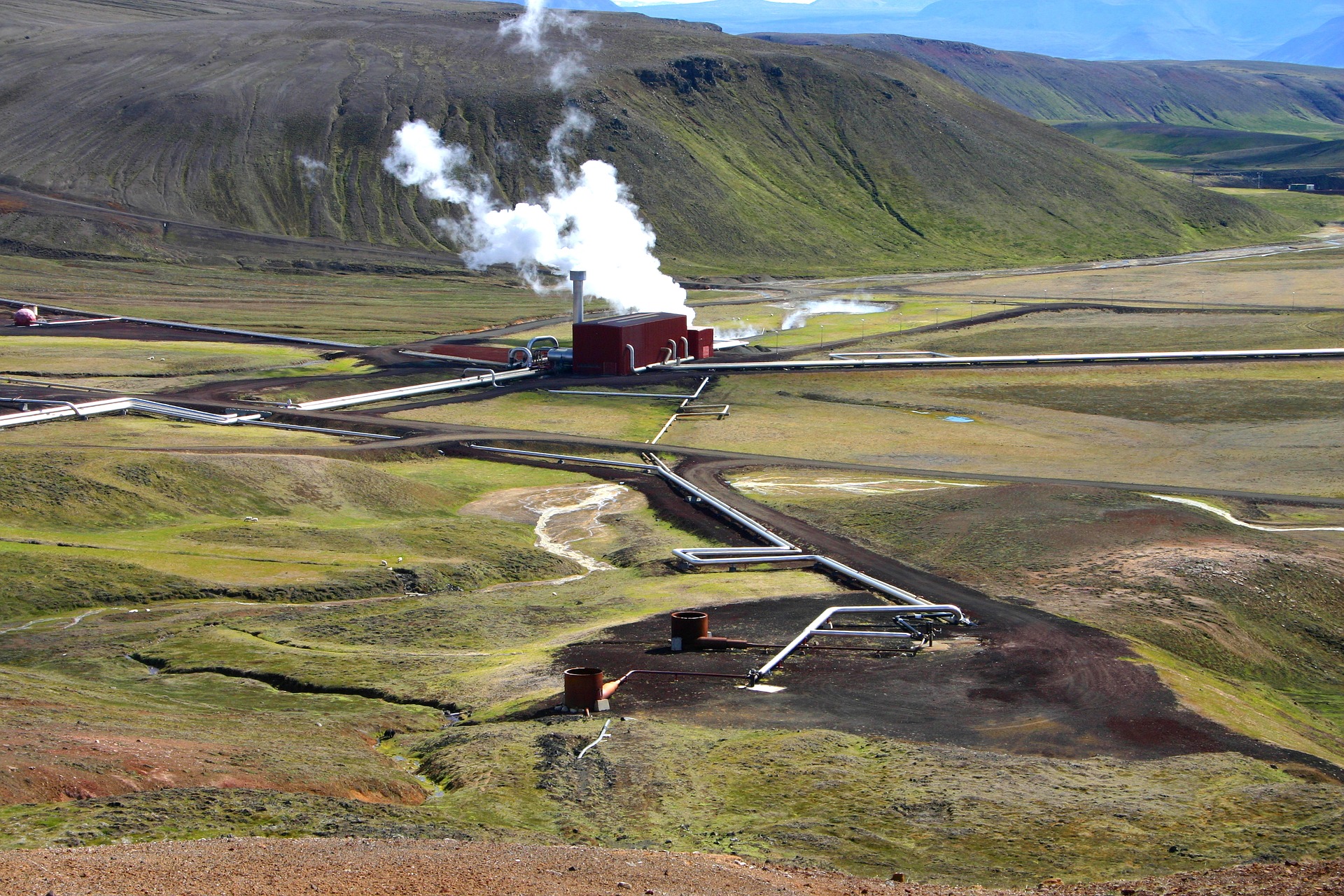
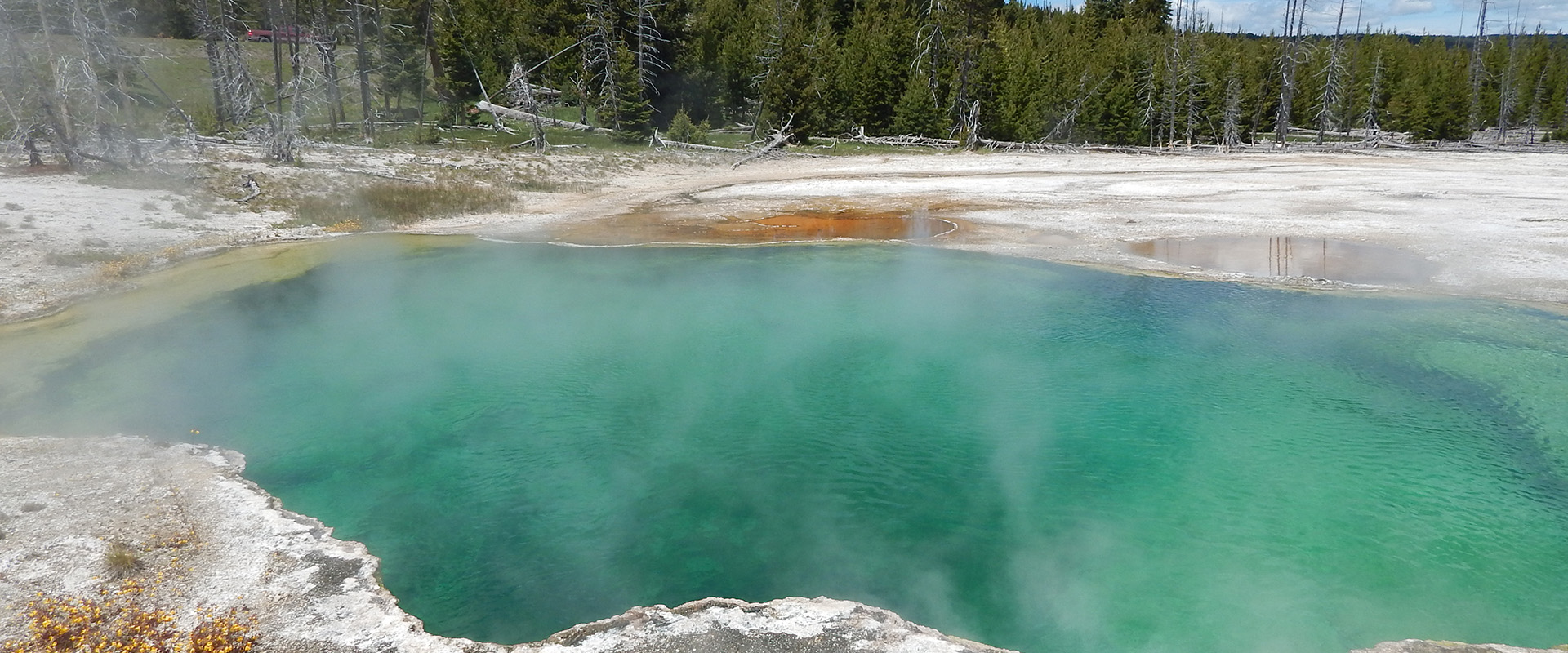
Subsurface Thermal Resource – Explore the Potential of the Heat Beneath Our Feet with a GeoLogica Training Course

There is no doubt that the utilization of geothermal resources is going to be a major contributor in our path towards the decarbonization of the energy industry and a sustainable energy future. The potential applications of geothermal resources to service our energy needs are wide ranging, from relatively low-temperature resources to heat our homes, to using steam to drive the turbines of electricity production.

GeoLogica is offering a diverse portfolio of geothermal courses covering a wide range of topics, such as the fundamentals of low and high enthalpy exploration, environmental considerations of projects, resource assessment, well technologies and engineering.

Our courses are accessible to both geoscientists and engineers and are suitable for those looking to expand their knowledge as part of an established geothermal resources career, as well as those wishing to pivot into the industry from a petroleum industry background.

Our geothermal course offerings are all online, tutor-led and interactive.

E506 Introduction to Low Enthalpy Geothermal Exploration with Mark Ireland

This course covers all aspects of low enthalpy geothermal exploration and production. It is intended as an introduction to the entire lifecycle of low enthalpy geothermal resources, covering aspects of geoscience and engineering.

E507 Geology and Fractures for High Enthalpy Geothermal with David McNamara

The course covers aspects of geoscience relevant to high enthalpy systems, including play concepts, field classification, permeability and geomechanics.

E508 Sedimentary Geothermal Systems with Jason Fisher

This course explores the different sedimentary geothermal systems that exist and how they are influenced by the plate tectonic setting, nature of the heat source and dominant transfer mechanism.

E509 Environmental Aspects of Geothermal Development with Jason Fisher

The development of geothermal resources is not without potential impacts and this course explores the environmental aspects of geothermal development, along with related geohazards, assessment tools and monitoring and mitigation techniques.

E514 Geothermal Technologies and Well Design with Gioia Falcone

An introduction to the main aspects of geothermal engineering, linking the subsurface to point of sale.

E515 Geothermal Resources Assessment: Quantification and Classification with Gioia Falcone

An investigation into the principles of geothermal resources assessment, encompassing quantification and classification best practices.

E519 Aquifer Thermal Energy Storage with Matthew Jackson

A course covering all aspects of ATES, including aquifer characterization, geological and petrophysical considerations, performance prediction, modelling and simulation, and surface engineering and infrastructure requirements.

Explore the energy opportunities of geothermal resources with GeoLogica as part of a sustainable energy future.
GeoEnergy Transition Training 2022

GeoLogica are pleased to announce the initial release of our 2022 GeoEnergy Transition programme. GeoLogica recognises the critical importance of a rapid shift to a lower carbon economy and are proud to be at the forefront of geoscience training in this field. Our vision is a broad and deep programme of courses that addresses key areas where geoscience impacts the energy transition and which satisfies the need for training a wide demographic, from geoscientist to lay person, and from financial institutions to energy companies.

Our GET programme is the most comprehensive in the business and our 2022 offering builds on the courses we have successfully delivered in 2021 and features courses that address our key subject areas of:

  • CLIMATE SCIENCE

  • CARBON CAPTURE AND STORAGE

  • GEOTHERMAL ENERGY

  • CRITICAL MINERALS

  • GEONUCLEAR

  • SOCIO-ECONOMICS

GeoLogica has sought out experts in these areas and aims to share and disseminate the crucial knowledge and skills required for the world to effectively change our energy systems.

These first offerings are all virtual sessions, timed to be suitable for both North American and European participants:

Introduction to Low Enthalpy Geothermal Exploration (Mark Ireland)

Sedimentary Geothermal Systems (Jason Fisher)

Groundwater in a Geoenergy Context (Alistair Donohew)

Challenges for the Social and Economic Impact Assessment of GeoEnergy Transition Projects (Eddie Smyth and Alistair Donohew)

Systems to Classify, Categorise and Report Geological CO2 Storage Capacity (Bob Harrison)

Geothermal Technologies and Well Design (Gioia Falcone)

Environmental Aspects of Geothermal Development (Jason Fisher)

Aquifer Thermal Energy Storage (Matthew Jackson)

Geothermal Resources Assessment: Quantification and Classification (Gioia Falcone)

Carbon Capture and Storage for Non-Technical Staff (Richard Worden)

Integration of Oil and Gas Infrastructure for the Energy Transition (Bob Harrison)

Critical Resources – Rare Earth Elements (Holly Elliott)

Geologic Carbon Storage for Geoscientists and Engineers (Alex Bump, Seyyed Hosseini and Katherine Romanek)

Ocean and Cryosphere Responses to a Changing Climate: Past, Present and Future (Chris Stokes)

Carbon Capture and Storage Masterclass (Richard Worden)

Critical Minerals for the GeoEnergy Transition (Lucy Crane)

Subsurface Pressures for Injection of Fluids and Gases (Richard Swarbrick)

View all upcoming courses here.

Black Friday Sale

After a tricky year of lockdowns and restrictions, GeoLogica want to share a bit of happiness by announcing their winter sale – 25% off all bookings on courses running in November and December 2021. The year might be drawing to a close, but there are still some fantastic offerings on the schedule.

GeoEnergy Transition Training

From a masterclass on CCS and lessons on the role of critical minerals, to finding out how nuclear power can help achieve net zero – our energy transition programme is not only the most comprehensive in the business but our tutors are the leading voices in their areas.

22 – 26 Nov 2021

Carbon Capture and Storage Masterclass: Discover the geoscience needs for CCS projects, including CO₂ subsurface storage volumetrics, flow and the goals associated with safe permanent storage. Tutor: Richard Worden

24 – 26 Nov 2021

Critical Minerals for the GeoEnergy Transition: Covering all aspects of the crucial role that raw materials will play in the energy transition: from exploration through to supply chains, and the importance of responsible sourcing. Tutor: Lucy Crane

29 – 30 Nov 2021

An Introduction to Geospatial Workflows for the GeoEnergy Transition: A broad overview of geoinformatics and the practical application of geospatial technologies to tackle key challenges of the GeoEnergy Transition. Tutor: Richard Jones

06 – 10 Dec 2021

Subsurface Pressures for Injection of Fluids and Gases: Understand how to access and store fluids and gases in underground reservoirs. Tutor: Professor Richard Swarbrick

13 – 14 Dec 2021

Geonuclear – Technology and Deep Geological Disposal: Covering all aspects of nuclear technology, power production and deep geological disposal of nuclear waste and how nuclear power can help achieve net zero. Tutors: Jonathan Turner and Brian Matthews

Subsurface Training

Our remaining subsurface courses focus on diverse subject areas and come from two of our expert tutors. The first addresses unconventional resources and the second looks at conventional deepwater systems and how to interpret them.

06 – 09 Dec 2021

An Introduction to Mudrock Reservoirs – Basin Setting, Stratigraphy, Sedimentology and Rock Properties: Explains the factors that control mudrock reservoir quality and presents practical methods to evaluate reservoir heterogeneity. Tutor: Jeff May

13 – 17 Dec 2021

Analysis and Interpretation of Growth Strata in Deepwater Settings: Learn to interpret growth strata in deepwater fold and thrust belts, salt basins and rift settings using seismic reflection data to unravel their geometry and evolution. Tutor: Bruce Trudgill

Enter BLKFRI25% in the promotional code box at checkout to receive the discount.

Valid for use until midnight 30th November.