
World-class training for the modern energy industry

Principles of Subsurface Energy Storage (G564)

Tutor(s)

Kevin Taylor: Professor in Energy Geoscience, The University of Manchester.

Overview

The aim of this course is to give an overview of the requirement, and the range of subsurface solutions, for energy storage. It will cover the key aspects of energy supply and demand, the role that subsurface energy storage can play in addressing this, and the key role that subsurface energy storage will play in decarbonizing energy as a key part of the energy transition. We will cover the fundamental geological, technical, environmental and societal aspects of hydrogen storage, compressed air storage, natural gas storage and heat storage. We also will briefly cover emerging solutions, such as chemical subsurface storage and geo-batteries.

Duration and Logistics

Classroom version: A 1-day course comprising a mix of lectures, case studies and exercises. The manual will be provided in digital format and participants will be required to bring a laptop or tablet computer to follow the lectures and exercises.

Virtual version: Two 3.5-hour interactive online sessions. Some short exercises (e.g. handling some basic data, estimating energy storage capacity, etc.) will be undertaken within the course. In-course questions / polls will be included. A digital manual and exercise materials will be distributed to participants before the course.

Level and Audience

Fundamental. The course is aimed at technical staff from a wide range of backgrounds, and an understanding of specific subsurface geoscience / engineering will not be assumed. The subject matter will be covered from first principles and will be of interest to staff from a range of backgrounds, including geological, engineering and commercial.

Objectives

You will learn to:

  1. Understand the nature of energy demand and supply within the context of the energy transition and the necessity for energy storage.
  2. Recognize the different ways in which energy can be stored in the subsurface, including natural gas storage, hydrogen storage, compressed air storage and heat storage.
  3. Appreciate the specific geological and technical requirements for different energy storage solutions, along with examples of where these are being deployed.
  4. Appreciate the challenges around subsurface storage, including fluids, gas and geomicrobiology aspects.
  5. Be able to frame subsurface energy storage within environmental, social and governance (ESG) considerations.
Geothermal Drilling and Completion (G558)

Tutor(s)

Catalin Teodoriu: Mewbourne Chair in Petroleum Geology, The University of Oklahoma.

Overview

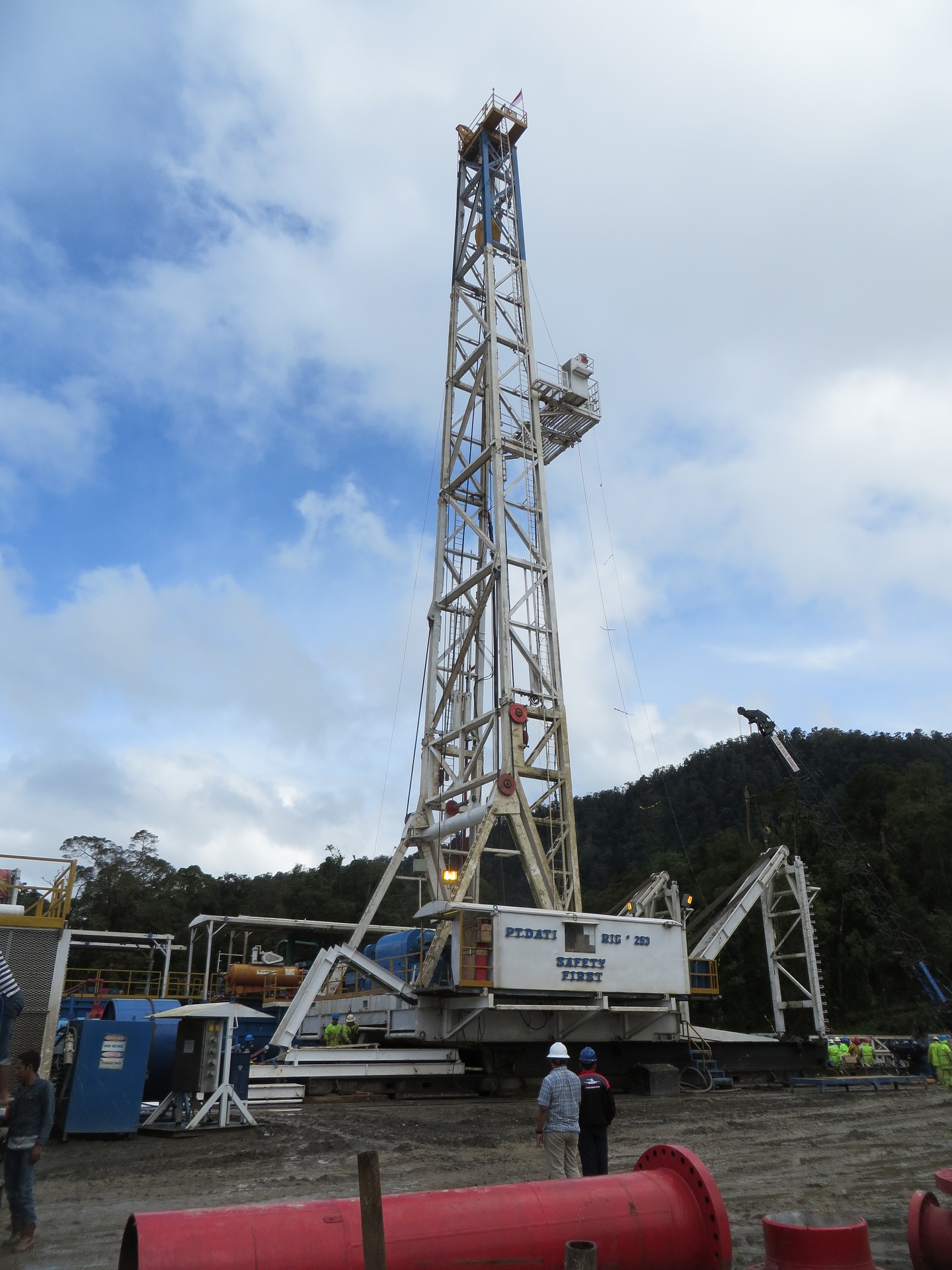
This course covers fundamental aspects of geothermal drilling and completion engineering, highlighting the differences between conventional oil and gas and geothermal activities. It encompasses the main geothermal drilling characteristics, focusing on deep geothermal well construction and completion concepts. The course also covers conventional and unconventional geothermal technologies, addressing the need of drilling and completion challenges. The last part of the course will concentrate on well integrity aspects, ranging from existing oil and gas wells to built-for-purpose geothermal wells.

Duration and Logistics

Classroom version: A 3-day course comprising a mix of lectures, case studies and exercises. The manual will be provided in digital format and participants will be required to bring a laptop or tablet computer to follow the lectures and exercises.

Virtual version: Five 4-hour interactive online sessions presented over 5 days. A digital manual will be distributed to participants before the course. Some reading is to be completed by participants off-line.

Level and Audience

Advanced. The course is intended for geoscientists wishing to learn the engineering aspects of geothermal project implementation, and oil and gas professionals transitioning towards sustainable energy opportunities.

Objectives

You will learn to:

  1. Identify key factors in streamlining geothermal project decision making processes.
  2. Understand different management styles and their impacts on geothermal planning and execution.
  3. Identify the uncertainties and risks associated with drilling geothermal wells.
  4. Assess the impact of different well construction and completion concepts on the life of the well integrity.
  5. Discuss and analyze case studies involving different geothermal well construction solutions.

Lessons from Energy Transitions: Future Integrated Solutions that Sustain Nature and Local Communities, NE England, UK (G557)

Tutor(s)

Gioia Falcone: Rankine Chair of Energy and Engineering, University of Glasgow.

Bob Harrison: Director, Sustainable Ideas Ltd.

Overview

This course considers the past and future energy transitions in the northeast of England, and their impact and legacy on the region’s industrial sector, local communities and nature conservation. It is hoped that lessons learnt from the past experiences in the region will help a sustainable energy transition. The course will cover CCS, hydrogen generation, wind and nuclear power, geothermal energy and the repurposing of legacy assets.

Duration and Logistics

A 6-day field course with site visits supported by classroom sessions. The course will be based in the town of Hartlepool, County Durham, to provide easy access to nearby coastal and inland locations.

Level and Audience

Fundamental. The course is intended for professionals working in energy transition, nature conservation and community engagement; those responsible for policy on energy and conservation matters; and energy sector investors.

Exertion Level

The course requires an EASY exertion level. Outcrops include coastal sections and inland exposures all with easy access. There will be some walks along beaches and easy paths through dunes with a maximum distance of around 5km (3 miles) or less.

Objectives

You will learn to:

  1. Describe and explain the overall potential of the region for integrated solutions with the context of the present energy transition.
  2. Characterize the locations of potential projects and explain technical factors that affect these and their feasibility.
  3. Describe how wider factors can affect feasibility of the projects including the environmental and social impacts.
  4. Evaluate strategic choices for local and regional policy makers, as well as landowners and investors.
  5. Make predictions and assessments of other regions in the UK for the potential development of similar projects.

Reservoir Characterization for Carbon Capture and Underground Storage, Devon and Dorset, UK (G556)

Tutor(s)

Gary Hampson: Professor of Sedimentary Geology, Imperial College London.

Matthew Jackson: Chair in Geological Fluid Dynamics, Imperial College London.

Overview

This course provides a field-based overview of reservoir characterization relevant to carbon capture and underground storage (CCS) and focuses on widely exploited reservoir depositional environments and their associated heterogeneity. The course links geological heterogeneity observed in well-exposed outcrop analogues with flow and transport processes during CO2 injection and plume migration, and also discusses the characterization and modelling of heterogeneity using typical subsurface datasets. The concepts are illustrated using numerous practical examples.

Duration and Logistics

A 5-day field course with a combination of field activities and exercises, plus classroom sessions. A manual and exercise materials will be distributed to participants on the course. Transport is by small coach.

Level and Audience

Intermediate. The course is intended for professionals with experience of, or background in, a related subsurface geoscience area, and / or recent graduates in a relevant topic.

Exertion Level

This class requires an EASY exertion level. Field locations are mainly accessed by hikes of 1–2km (roughly 1 mile) across some irregular terrain, including sandy beaches, coastal paths and pebbly / rocky beaches.

Objectives

You will learn to:

  1. Describe and explain types of geological heterogeneity associated with reservoirs, storage units and aquifers developed in common depositional environments.
  2. Evaluate how these heterogeneities can be characterized and quantified in the subsurface and represented in static and dynamic reservoir models.
  3. Consider the impact of these heterogeneities on fluid flow and transport in the context of CO2 storage.
  4. Understand reservoir characterization requirements for the prediction of CCS.

Hydrogen Masterclass: Production, Geological Storage and Operational Engineering (G552)

Tutor(s)

Katriona Edlmann: Chancellor’s Fellow in Energy, The University of Edinburgh.

Overview

Future energy scenarios foresee a prominent and growing role for hydrogen. Demand is likely to rapidly exceed the capacity of typical above-ground energy storage technologies, necessitating the need for the geological storage of hydrogen in engineered hard rock caverns, solution mined salt caverns, depleted gas fields and saline aquifers. This course will firstly provide participants with an overview of the current hydrogen landscape, including its likely role in the energy transition, production and economic challenges. The course will then focus on the need for geological storage, introducing the geological storage options available for the secure storage and withdrawal of hydrogen from these different geological stores. The main body of the course will then explore the key considerations involved in geological hydrogen storage including hydrogen flow processes and thermodynamics, geomechanical responses to rapid injection and withdrawal cycles, geochemical and microbial interactions during storage, and the operational considerations and monitoring of hydrogen storage sites that may impact storage integrity, withdrawal rates and hydrogen purity.

Duration and Logistics

Classroom version: A 3-day course comprising a mix of lectures, case studies and exercises. The manual will be provided in digital format and participants will be required to bring a laptop or tablet computer to follow the lectures and exercises. 

Virtual version: Five 4-hour interactive online sessions presented over 5 days. Digital course notes and exercise materials will be distributed to participants before the course. Some exercises may be completed by participants off-line.

Level and Audience

Intermediate. The course is largely aimed at geoscientists, but engineers will also find the course instructive. Intended for sub-surface scientists, with an emphasis on geoscience topics. Participants will probably have a working knowledge of petroleum geoscience. However, the main subject matter of this course, the geoscience of hydrogen production and storage, is covered from basic principles.

Objectives

You will learn to:

  1. Appreciate the role of geoscience in the hydrogen economy and the contribution hydrogen can make to the energy transition in support of Net Zero emission targets.
  2. Describe the different processes involved with hydrogen production and the associated lifecycle carbon intensity of this production.
  3. Recall details of the developing hydrogen supply chains, including infrastructure considerations, distribution networks and pathways for market growth.
  4. Describe the different geological storage options available and their capacity and spatial constraints.
  5. Understand hydrogen as a fluid in the subsurface, including its thermodynamic and transport properties.
  6. Characterize the geomechanical considerations for storage integrity and associated risks, including caprock sealing considerations.
  7. Appreciate the impact of geochemical and microbial interactions in subsurface hydrogen stores and the relevant monitoring and management tools.
  8. Describe the operational engineering considerations and monitoring of hydrogen storage sites.

Geothermal Energy: Resources, Projects and Business Aspects (G529)

Tutor(s)

David Townsend: CEO, TownRock Energy.

Overview

This course explores the key themes of geothermal energy from the fundamentals of what a geothermal resource is and what it can offer, through to project examples and the business case. The course will explore a variety of geothermal resource types and current EU-based project examples, in addition to environmental considerations, legislation and future innovations and emerging technologies.

Duration and Logistics

Classroom version: A 2-day course comprising a mix of lectures, case studies and exercises. The manual will be provided in digital format and participants will be required to bring a laptop or tablet computer to follow the lectures and exercises.

Virtual version: Four 3.5-hour interactive online sessions presented over 4 days. A paper by the course presenter will be distributed to participants before the course, and materials for an interactive cashflow modelling exercise will be distributed during the course.

Level and Audience

Fundamental. The course is aimed at those individuals looking to transition to geothermal projects and/or who are new to the geothermal industry

Objectives

You will learn to:

  1. Understand the basics of geothermal resources and their use and applications.
  2. Recall the fundamental characteristics of geothermal resources and reservoirs.
  3. Appreciate the European potential for geothermal projects and case studies representative of the current state of active projects, as well as some case studies of unsuccessful projects.
  4. Describe the fundamentals of a geothermal project business case, including identifying the relevant stakeholders, the project development timeline and the risks and mitigations.
  5. Assess the financial framework of a geothermal project and how to create a business model and de-risk these projects.
  6. Assess the potential environmental impacts of geothermal developments.
  7. Understand how emerging technologies can be included as part of a geothermal project and how these could rewrite the way geothermal business models are developed in the future.

Carbon Capture – Reservoir Storage and Risk Elements: Insights from the Field, NE England, UK (G550)

Tutor(s)

Richard Jones: Managing Director, Geospatial Research Ltd.

Overview

This course is framed around demonstrating the principles of CO2 storage capacity and risk elements of a prospective CCS play. Starting from basic geoscience principles, the course focuses on reservoir capacity estimation, injectivity and containment risks. The principles will be illustrated using well-exposed outcrop examples from NE England including clastic reservoirs from a variety of depositional settings (typically Carboniferous, Permo-Triassic, or Jurassic), sealing lithologies (mudrocks and evaporites) and structural controls on reservoir connectivity and containment (fractures, juxtaposition and fault zone complexity).

Duration and Logistics

A 5-day field course with fieldwork and practical sessions supported by classroom lectures. The course will be based in the historic city of Durham in NE England with easy access to coastal and inland locations in the counties of Durham, Northumberland and Yorkshire.

Level and Audience

Fundamental: The course is intended for subsurface scientists, including geologists and engineers, with a knowledge of petroleum geoscience, who are working on or new to, CCS projects.

Exertion Level

The course requires an EASY exertion level. Outcrops include coastal outcrop sections and inland exposures all with easy access. There will be some walks along beaches and easy paths to get to the outcrops with a maximum distance of around 5km (3 miles) or less, elevations vary from sea level to up to 500m (1600 ft). Temperature variations in late spring and summer are typically between 10 and 25°C (50–80°F).

Objectives

You will learn to:

  1. Characterize a variety of reservoir types (considering potential impacts of stratigraphic, depositional and structural heterogeneities, porosity and permeability) with respect to their suitability for carbon capture and storage.
  2. Estimate reservoir capacity through stratigraphic and structural analysis, and porosity estimation.
  3. Understand fluid transport parameters – injection/flow rate and reservoir permeability.
  4. Assess containment potential for CO2 (evaporitic and shale seals, faults and fractures).
  5. Evaluate fracture networks with respect to storage capacity, injection rates and containment risk.

Geoenergy Production, Injection and Storage Engineering (G546)

Tutor(s)

Gioia Falcone: Rankine Chair of Energy and Engineering, University of Glasgow.

Overview

This course covers fundamental aspects and best practices of production, injection and storage engineering for different geoenergy applications, where the subsurface is used as a source (hydrocarbons, geothermal energy), or as a periodic/seasonal store (natural gas, compressed air, hydrogen, thermal energy), or as a sink (CO2, radioactive waste). The course focuses on an integrated system approach, to ensure compatibility between subsurface and surface engineering processes, and to understand scalability of technologies that may play a pivotal role in the transition to a sustainable energy future.

Duration and Logistics

Classroom version: A 3-day course comprising a mix of lectures, case studies and exercises. The manual will be provided in digital format and participants will be required to bring a laptop or tablet computer to follow the lectures and exercises.

Virtual version: Five 3.5-hour interactive online sessions presented over 5 days. A digital manual will be distributed to participants before the course. Some reading is to be completed by participants off-line.

Level and Audience

Advanced. The course is intended for geoscientists, geoengineers, project managers and regulators wishing to learn how to design, manage and monitor integrated geoenergy systems, from the subsurface to the surface (and vice versa), including the associated uncertainties and risks.

Objectives

You will learn to:

  1. Appreciate the different ways in which the subsurface can be exploited for different geoenergy applications.
  2. Bring together the different elements of a production/injection/storage geoenergy system towards integrated design and management.
  3. Identify the uncertainties and risks of different geoenergy projects over their lifetimes.
  4. Assess the impact of different operational requirements on overall system design and performance.
  5. Optimize system performance under constraints.

Systems to Classify, Categorise and Report Geological CO2 Storage Capacity (G542)

Tutor(s)

Bob Harrison: Director, Sustainable Ideas Ltd.

Overview

While large scale carbon capture and storage (CCS) implementation continues to be debated, when it happens, a subsurface carbon storage management system will be needed. Such a framework must be capable of describing objective estimates of CO2 storage with respect to quantity and quality of available data, give a range of uncertainty in the estimation and provide injection project status from cradle to grave. This course reviews the subsurface carbon storage frameworks that are currently on offer worldwide.

Duration and Logistics

Classroom version: A 1.5-day course comprising a mix of lectures, case studies and exercises. The manual will be provided in digital format and participants will be required to bring a laptop or tablet computer to follow the lectures and exercises.

Virtual version: Three 3.5-hour interactive online sessions presented over 3 days. Digital course notes and exercise materials will be distributed to participants before the course.

Level and Audience

Intermediate. The course is intended for energy industry professionals, government regulatory bodies and energy sector investors.

Objectives

You will learn to:

  1. Appreciate the requirement for an auditable carbon storage reporting system.
  2. Gain familiarity with the different systems to report geologic carbon sequestration.
  3. Understand the pros and cons and limitations of the reporting systems on offer.
  4. Appreciate the key uncertainties in storage capacity estimates and how they may alter over time with increasing knowledge and experience.
  5. Be aware of bias in reporting and how to mitigate against it.
  6. Understand the need for appropriate ‘project boundaries’ to allow project comparison.

Re-purposing Oil and Gas Infrastructure for the Energy Transition (G541)

Tutor(s)

Bob Harrison: Director, Sustainable Ideas Ltd.

Overview

Attaining net zero greenhouse gas emissions by 2050 will require strategies to use existing and emerging low- or zero-carbon technologies. One potential opportunity is to repurpose existing hydrocarbon facilities to help meet net zero targets in the UK. This course investigates the technical challenges around this topic and examines whether integrating such infrastructure could lower costs and accelerate the energy transition while simultaneously postponing the decommissioning of ageing assets.

Duration and Logistics

Classroom version: A 2-day course comprising a mix of lectures, case studies and exercises. The manual will be provided in digital format and participants will be required to bring a laptop or tablet computer to follow the lectures and exercises.

Virtual version: Four 3.5-hour interactive online sessions presented over 4 days. Digital course notes and materials will be distributed before the course. The tutor will also work through a series of exercises with the group

Level and Audience

Intermediate. The course is intended for professionals working in energy transition, those involved in energy policy and energy sector investors.

Objectives

You will learn to:

  1. Understand how repurposing hydrocarbon infrastructure may aid energy transition.
  2. Appreciate how the handling of CO2, hydrogen and heat differs from oil and gas.
  3. Select sites for potential underground storage and sources of geothermal energy.
  4. Determine the suitability and availability of infrastructure for re-use.
  5. Evaluate the pros and cons of using captured CO2 for enhanced oil recovery rather than storage.
  6. Appreciate how repurposed wells and co-produced water may help potential geothermal development.
  7. Characterize risks and uncertainties in energy transition projects and discuss possible mitigation strategies.
  8. Estimate potential cost savings from hydrocarbon infrastructure re-use.