World-class training for the modern energy industry

Fractures and associated Structural Concepts for the GeoEnergy Transition: a Virtual Field Course (G511)

Tutor(s)

Richard Jones: Managing Director, Geospatial Research Ltd.

Overview

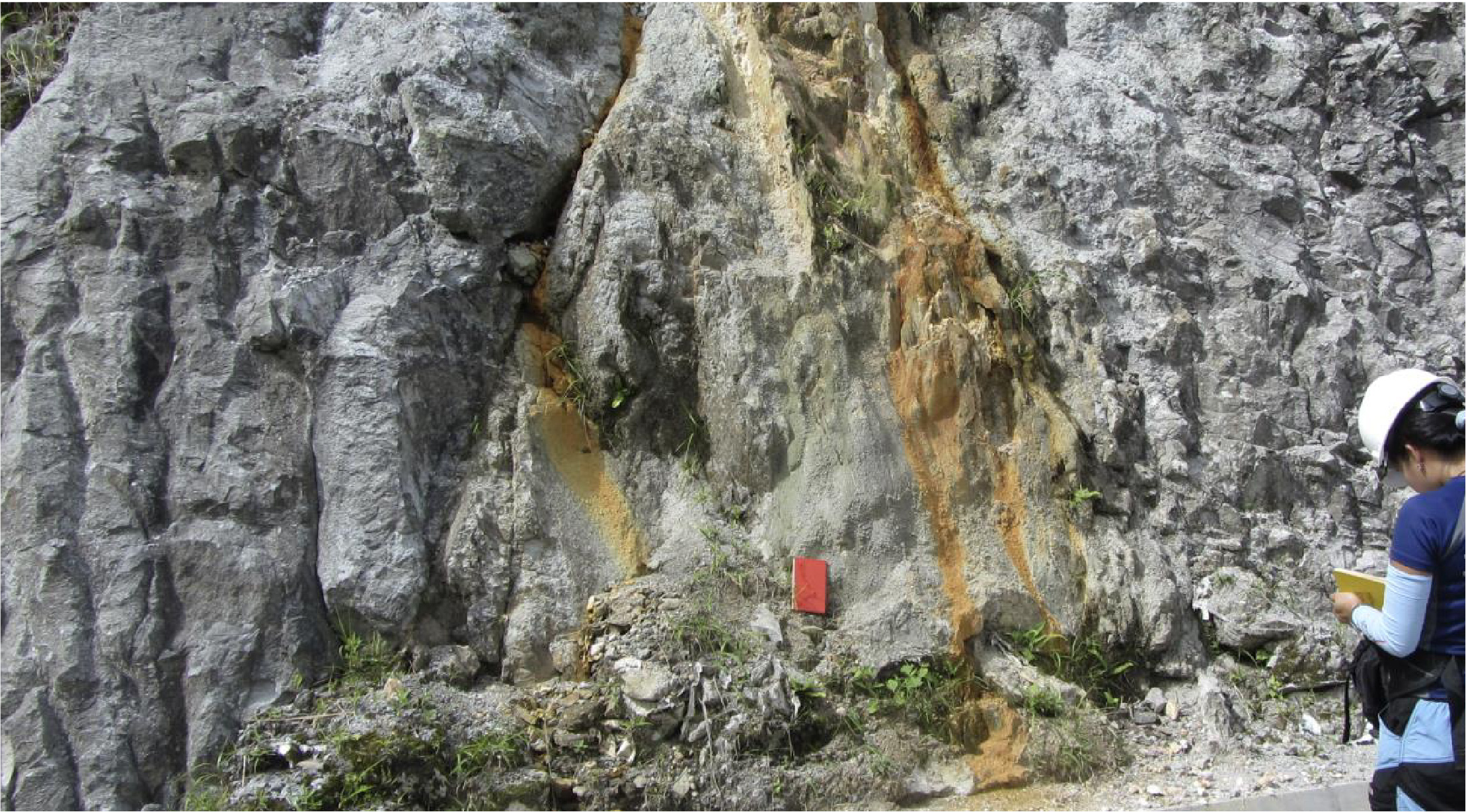
Making extensive use of virtual outcrop technologies, this course will provide participants with a field trip itinerary that includes contrasting natural fracture networks from a wide range of rock types and structural settings. The course will combine fieldwork-based appraisal of fractures with collation and processing of different types of fracture data and their practical uses in GeoEnergy Transition applications.

Duration and Logistics

Classroom version: A 3-day course comprising a mix of lectures, case studies and exercises. The manual will be provided in digital format and participants will be required to bring a laptop or tablet computer to follow the lectures and exercises.

Virtual version: Five 3.5-hour interactive online sessions presented over 5 days. A digital manual and exercise materials will be distributed to participants before the course. Some reading and exercises are to be completed by participants off-line.

Level and Audience

Intermediate. The course is intended for geoscientists looking to understand the importance of fracture systems and to learn practical methods of appraising natural fracture networks. Target participants include geologists, geoengineers and hydrogeologists, as well as oil and gas professionals looking to apply their existing expertise in new sectors.

Objectives

You will learn to:

  1. Describe the geometry and morphology of individual fractures in outcrop, and interpret the mode of fracturing.
  2. Assess relative timing of fractures, and designate fractures to different sets.
  3. Supplement outcrop data with interpretation from aerial and satellite imagery.
  4. Characterize spatial properties of the fracture network, including spacing, clustering and scaling (size-intensity) relationships.
  5. Evaluate the nature of fracturing in relation to larger scale features: folds, faults and mechanical stratigraphy.
  6. Collate fracture data to produce a conceptual fracture model.
  7. Understand the interplay between fractures and matrix, in terms of porosity and permeability, and the implications for fluid storage and flow.
  8. Predict the general performance of a fracture network in practical GeoEnergy Transition applications.
  9. Recognize the strengths and limitations of different sources of fracture data, and the advantage of combining field data with other data types.
An Introduction to Geospatial Workflows (G510)

Tutor(s)

Richard Jones: Managing Director, Geospatial Research Ltd.

Overview

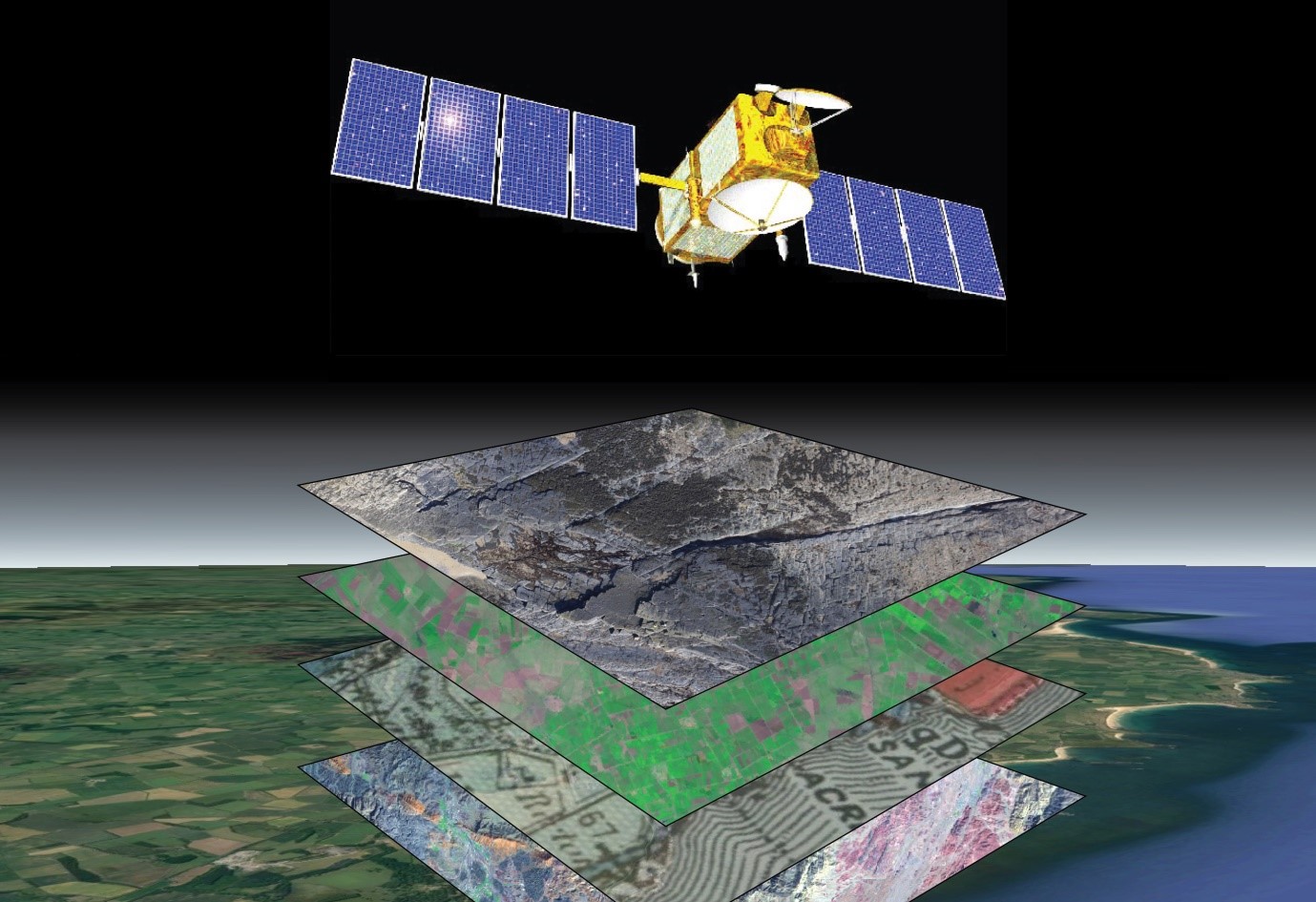
This course provides a broad overview of geoinformatics and the practical application of geospatial technologies to tackle key challenges of the GeoEnergy Transition.

Duration and Logistics

Classroom version: A 1.5-day course comprising a mix of lectures, case studies and exercises. The manual will be provided in digital format and participants will be required to bring a laptop or tablet computer to follow the lectures and exercises.

Virtual version: Three 3.5-hour interactive online sessions presented over 3 days. A digital manual and exercise materials will be distributed to participants before the course. Some reading and exercises are to be completed by participants off-line.

Level and Audience

Fundamental. The course is intended for any geoscientists looking to increase their understanding and practical experience of spatial data and workflows.

Objectives

You will learn to:

  1. Recognise different types of spatial data, and how they can be represented and stored in Geographic Information Systems (GIS) and related software.
  2. Describe the pros and cons of 2-D and 3-D geospatial user interfaces as a primary way to organize and access data.
  3. Understand spatial resolution, precision and accuracy.
  4. Assess different approaches to evaluating spatial data, including geostatistics and geospatial analysis.
  5. Download and process earth observation satellite imagery.
  6. Acquire and process Global Navigation Satellite System (GNSS) data for high precision spatial positioning.
  7. Evaluate current trends in the GeoEnergy Transition.

Geology and Fractures for High Enthalpy Geothermal (G507)

Tutor(s)

David McNamara: Lecturer in the Department of Earth, Ocean and Ecological Sciences, University of Liverpool.

Overview

This course covers aspects of geoscience relevant to high enthalpy geothermal systems. It will introduce the geothermal system play concept and geothermal field classification. Teaching materials and exercises will provide skill development in how to characterize important aspects of the geology of these geothermal systems from structural networks, permeability, geomechanics and more.

Duration and Logistics

Classroom version: A 3-day course comprising a mix of lectures, case studies and exercises. The manual will be provided in digital format and participants will be required to bring a laptop or tablet computer to follow the lectures and exercises.

Virtual version: Five 3.5-hour interactive online sessions, comprising three lecture sessions and two practical sessions (one on working with borehole image logs in geothermal wells and interpreting these datasets, and the other on stress field characterization from well data). The sessions are presented over 5 days. A digital manual and exercise materials (including well logs) will be distributed before the course. Some reading and exercises are to be completed by participants off-line.

Level and Audience

Advanced. The course is intended for all career stage industry professionals and early career researchers with a geoscience or geo-engineering background, including those with a familiarity in oil and gas production.

Objectives

You will learn to:

  1. Recognize the geological components of a geothermal system play.
  2. Understand the range of data required to characterize a fractured geothermal reservoir.
  3. Characterize fracture and stress data from a geothermal reservoir that can be used in geomechanical models and flow models.
  4. Determine potential geological controls on well permeability.

Introduction to Low Enthalpy Geothermal Exploration (G506)

Tutor(s)

Mark Ireland: Senior Lecturer in Energy Geoscience, Newcastle University.

Overview

This course covers all aspects of low enthalpy geothermal exploration and production. It is intended as an introduction to the entire lifecycle of low enthalpy geothermal resources, covering aspects of geoscience and engineering.

Duration and Logistics

Classroom version: A 3-day course comprising a mix of lectures, case studies and exercises. The manual will be provided in digital format and participants will be required to bring a laptop or tablet computer to follow the lectures and exercises.

Virtual version: Five 3.5-hour interactive online sessions presented over 5 days. A digital manual and exercise materials will be distributed to before the course. Some reading and exercises are to be completed by participants off-line.

Level and Audience

Intermediate. The course is intended for all career stage industry professionals and early career researchers with a geoscience or geo-engineering background, including those with a familiarity in oil and gas production.

Objectives

You will learn to:

  1. Understand the applications and use of low enthalpy geothermal energy.
  2. Recall the basic principles of heat generation within the upper crust.
  3. Describe the key characteristics of geothermal resources and reservoirs.
  4. Understand the production options for low enthalpy geothermal resources.
  5. Appreciate project risks and uncertainties in developing geothermal resources.

Subsurface Pressures for Injection of Fluids and Gases (G504)

Tutor(s)

Richard Swarbrick: Manager, Swarbrick GeoPressure.

Overview

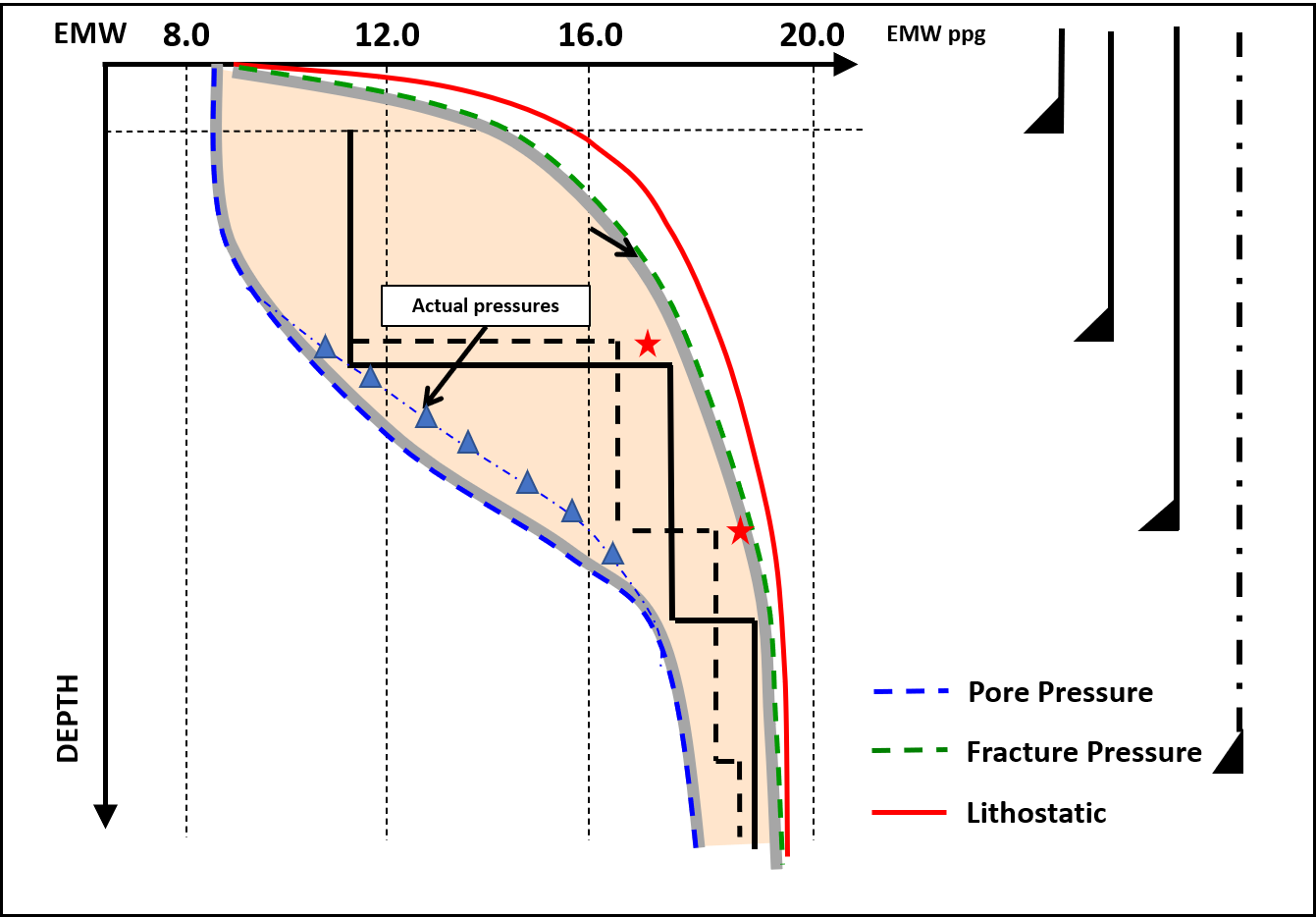
This course covers all aspects of subsurface pressures with particular emphasis on pre-drill estimates and the conditions for injection and storage of fluids and gas, including hydrogen and CO2. Methods for estimating pressures from rock and fluid properties will be reviewed, as well as the processes that determine them in the subsurface prior to drilling. The impact of rock strength relative to fluid pressure at depth will also be discussed, in relation to injection rate limitations and storage volumes.

Duration and Logistics

Classroom version: A 3-day course comprising a mix of lectures, case studies and exercises. The manual will be provided in digital format and participants will be required to bring a laptop or tablet computer to follow the lectures and exercises.

Virtual version: Five 3.5-hour interactive online sessions presented over 5 days. A digital manual and exercise materials will be distributed to before the course. Some reading and are to be completed by participants off-line.

Level and Audience

Advanced. Intended for geoscientists and engineers who are involved in drilling into reservoirs for the purpose of injecting, storing and producing fluid. Some knowledge of subsurface geology and the basics of drilling wells would be an advantage.

Objectives

You will learn to:

  1. Understand how subsurface pressures determine safe injection, storage and production from deep reservoirs.
  2. Appreciate the processes that govern safe drilling, with particular emphasis on pore fluid and fracture pressures.
  3. Describe how to analyze subsurface pressure data and calibrate to estimate pore pressures from a variety of drilling and logging data.
  4. Relate regional and local rock stress magnitudes to failure of seals.
  5. Evaluate how to assess volumes that can be safely sequestered in underground storage.
  6. Interpret typical pressure profiles, in terms of subsurface fluid processes, such as lateral drainage (open aquifers) and lateral transfer (enhanced pressures and a drilling surprise).
  7. Perform basic pressure prediction calculations and estimate storage volumes.
  8. Review and critique relevant case study material.

Critical Minerals for the GeoEnergy Transition (G503)

Tutor(s)

Lucy Crane: ESG and Sustainability Consultant.

Overview

This course covers all aspects of the crucial role that mineral extraction will play in the energy transition. Building the low-carbon technologies required to combat climate change, such as wind turbines, electric vehicles and batteries, will be hugely mineral intensive. The impact of this increased extraction is often overlooked, yet it’s vital that these materials are sourced and extracted in the most responsible manner possible. This course explores where certain critical raw materials are currently produced and the impacts of their global supply chains, as well as examining how new technologies are aiding exploration for and extraction of new deposits. It also discusses challenges faced by responsible sourcing, and the growing importance of ESG within the mining industry.

Duration and Logistics

Classroom version: A 1.5-day course comprising a mix of lectures, case studies and exercises. The manual will be provided in digital format and participants will be required to bring a laptop or tablet computer to follow the lectures and exercises.

Virtual version: Three 3.5-hour interactive online sessions presented over 3 days. A digital manual and exercise materials will be distributed to participants before the course. Some reading and exercises are to be completed by participants off-line.

Level and Audience

Fundamental. The course is intended for industry professionals, though it is suitable for penultimate year undergraduate university students and above.

Objectives

You will learn to:

  1. Understand the wider context behind the mineral intensity of the energy transition.
  2. Define what is a ‘critical’ raw material.
  3. Describe how new technologies are ‘unlocking’ mineral deposits which have previously been considered unconventional.
  4. Understand the technical challenges associated with production of certain critical raw materials.
  5. Describe how environmental, social and geopolitical factors can also influence an element’s ‘criticality’.
  6. Begin to evaluate the environmental and social impacts of current global supply chains.
  7. Understand the role mineral extraction has to play in delivering the UN Sustainable Development Goals, alongside various industry operating codes and principles.
  8. Assess the importance of Environmental, Social and Governance (ESG) factors in project success.

Carbon Capture and Storage Masterclass (G502)

Tutor(s)

Richard Worden: Professor in the Department of Earth Ocean and Ecological Sciences, University of Liverpool, UK.

Overview

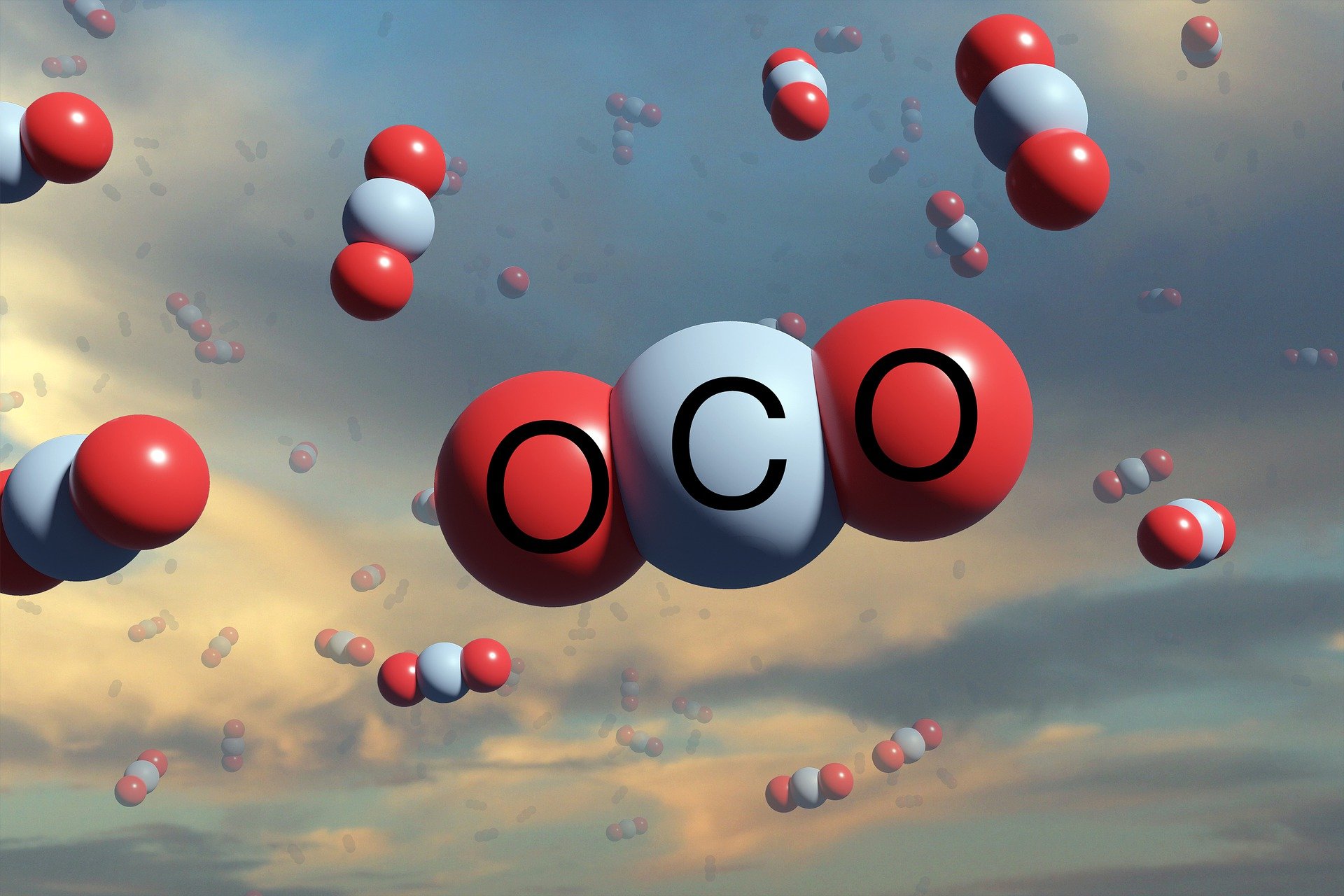
This course will provide participants with awareness of the geoscience needs for CCS projects; namely subsurface CO2 storage volumetrics, CO2 flow in the subsurface away from injector wells, the goal of safe and permanent storage of CO2 and cost-benefit issues linked to aquifer depth, well design, etc. The course will establish basics, such as how much CCS is needed to make a difference to global warming, and explore what types of CO2 injection are already happening, including information from CO2-enhanced oil recovery projects. The course will deal with CO2 as a fluid phase and how much CO2 can be stored per cubic meter in terms of porosity and over entire aquifers. It will deal with how quickly CO2 can be injected and the role of aquifer permeability. The course then moves on to the all-important geomechanical effects of CO2 injection and feedbacks between induced mineral dissolution and rock strength and other rock properties. The full range of possible interaction between CO2 and both aquifer and top-seal will be covered, as will the range of possible leakage mechanisms that need to be assessed. The course will conclude with consideration of monitoring strategies.

Duration and Logistics

Classroom version: A 3-day course comprising a mix of lectures, case studies and exercises. The manual will be provided in digital format and participants will be required to bring a laptop or tablet computer to follow the lectures and exercises.

Virtual version: Five 3.5-hour interactive online sessions presented over five days. Digital course notes and exercise materials will be distributed to participants before the course. Some exercises may be completed by participants off-line.

Level and Audience

Intermediate. The course is largely aimed at geoscientists, but engineers will also find the course instructive. Intended for sub-surface scientists, with an emphasis on geoscience topics. Participants will probably have a working knowledge of petroleum geoscience. However, the subject matter of this course, the geoscience of carbon capture and storage, is covered from basic principles.

Objectives

You will learn to:

  1. Develop awareness of the role of geoscience in CCS and of CCS in CO2 emissions reductions.
  2. Appreciate what CO2 injection projects have occurred so far and how they differ from industrial CCS.
  3. Understand CO2 as a fluid in the subsurface and the fluid injection pressure and effective stress regimes that CO2 injection will involve.
  4. Build awareness of the volumetrics of CO2 storage from the micro (pore-scale) to the macro (aquifer volumes).
  5. Gain an appreciation of the question of CO2 flow away from injector wells controlled by permeability and aquifer architecture.
  6. Understand the range of effects that CO2 can have on the host aquifer, from geomechanical to geochemical.
  7. Assess the role of top-seal and fault-seal properties and how they will influence CO2 storage, from risk of fracking, or induced seismicity, to mineral dissolution.
  8. Understand the range of ways that CO2 could escape from the planned storage sites.
  9. Develop an awareness of the range of monitoring strategies that could be employed to ensure safe and long-term storage of CO2.

Transition Skills: From Oil and Gas to Geothermal (G573)

Tutor(s)

Malcolm Ross: Consultant Geoscientist.

Overview

This course will offer geoscientists an understanding of how they can use and adapt their expertise gained in the oil and gas industry to the growing geothermal industry. Participants will be introduced to the fundamentals of a variety of geothermal system styles and be guided through the exploration and development of a project, focusing on subsurface workflows based on those used for oil and gas. The course is intended as an introduction to the entire lifecycle of a geothermal resource, covering aspects of geoscience and some engineering.

Duration and Logistics

Classroom version: A 3-day in-person classroom course comprising a mixture of lectures, exercises and discussion with a focus on geothermal project case studies and examples.

Virtual version: Five 3.5-hour interactive online sessions presented over five days. Digital course notes and exercise materials will be distributed to participants before the course.

Level and Audience

Fundamental. This course is designed specifically for geoscientists wanting to transition from the oil and gas industry to the geothermal sector.

Objectives

You will learn to:

  1. Describe the fundamentals of geothermal energy and how it is harnessed and used.
  2. Understand the key subsurface characteristics of geothermal resources and reservoirs.
  3. Understand what exploration tools (seismic, potential fields, geochemistry), exploration data (bottom hole temperatures, gradient surveys) and exploration approaches (basin modelling, play-based exploration) are used in geothermal exploration, which ones are in common with oil and gas, and how their uses differ.
  4. Define the subsurface geoscience requirements for a geothermal project, including the key similarities and differences with an oil and gas project.
  5. Appreciate the data types and subsurface workflows involved in a geothermal project.
  6. Examine the key project risks and uncertainties in developing geothermal resources and how they are mitigated.

Geologic Carbon Storage for Geoscientists and Engineers (G551)

Tutor(s)

Alex Bump: Research Science Associate, University of Texas at Austin.

Seyyed Hosseini: Research Professor, University of Texas at Austin.

Katherine Romanak: Research Scientist, University of Texas at Austin.

Overview

This course empowers attendees to develop and apply their skills to the growing industry of Carbon Capture Utilisation and Storage (CCUS). Attendees will be guided through the lifecycle of a CCUS project with an emphasis on key concepts, processes and workflows of the CCUS industry. Focus will be on developing the geoscience and engineering skills needed to progress a project.

Duration and Logistics

Classroom version: A 3-day course comprising a mix of lectures, case studies and exercises. The manual will be provided in digital format and participants will be required to bring a laptop or tablet computer to follow the lectures and exercises.

Virtual version: Five 4-hour interactive online sessions presented over 5 days.

Level and Audience

Intermediate. The course is intended for petroleum geoscientists, reservoir engineers and first-level leaders looking to adapt their skills to carbon capture and storage.

Objectives

You will learn to:

  1. Outline the regulatory, policy and financial drivers and constraints for CCUS.
  2. Describe the subsurface requirements for a successful storage project, including similarities and differences with oil and gas exploration.
  3. Understand the workflow and perform the key tasks for defining, developing and permitting a CCUS project, including site selection, characterisation, risk assessment and monitoring for operational and post-operational phases.
  4. Apply your subsurface knowledge and skills in oil and gas development to the concepts, processes and workflows of the CCUS industry.
  5. Estimate CO2 storage capacity in saline aquifers at reservoir and basin-scales.