World-class training for the modern energy industry

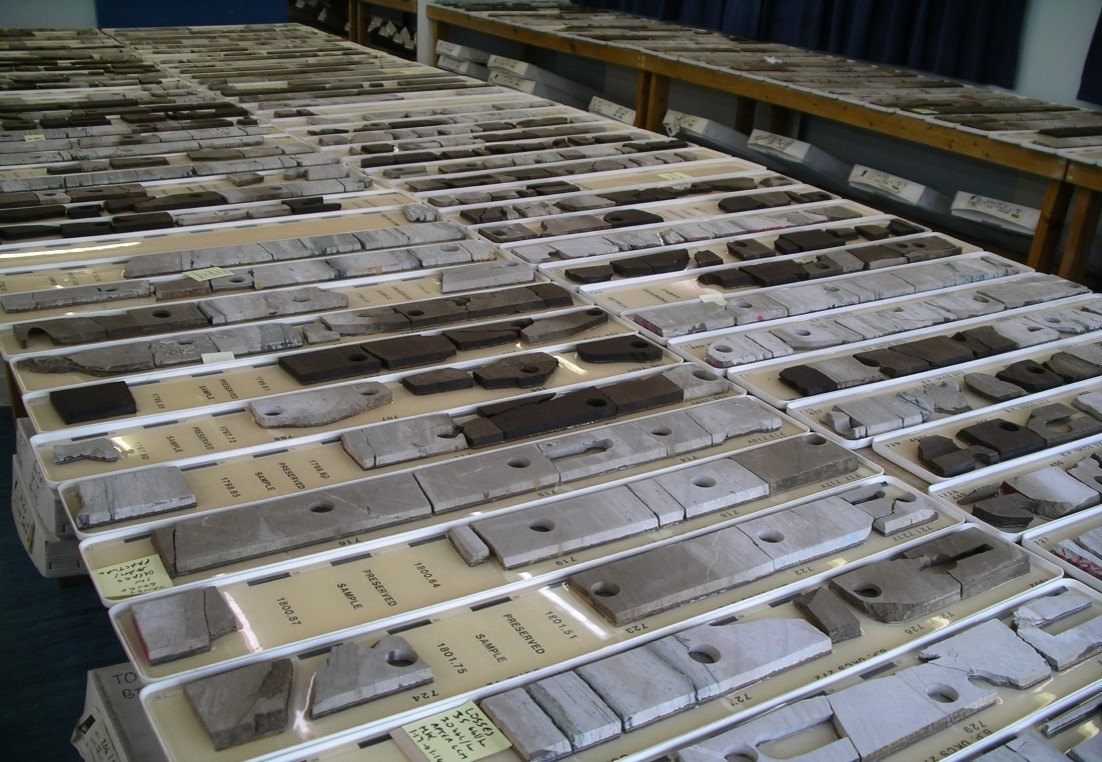
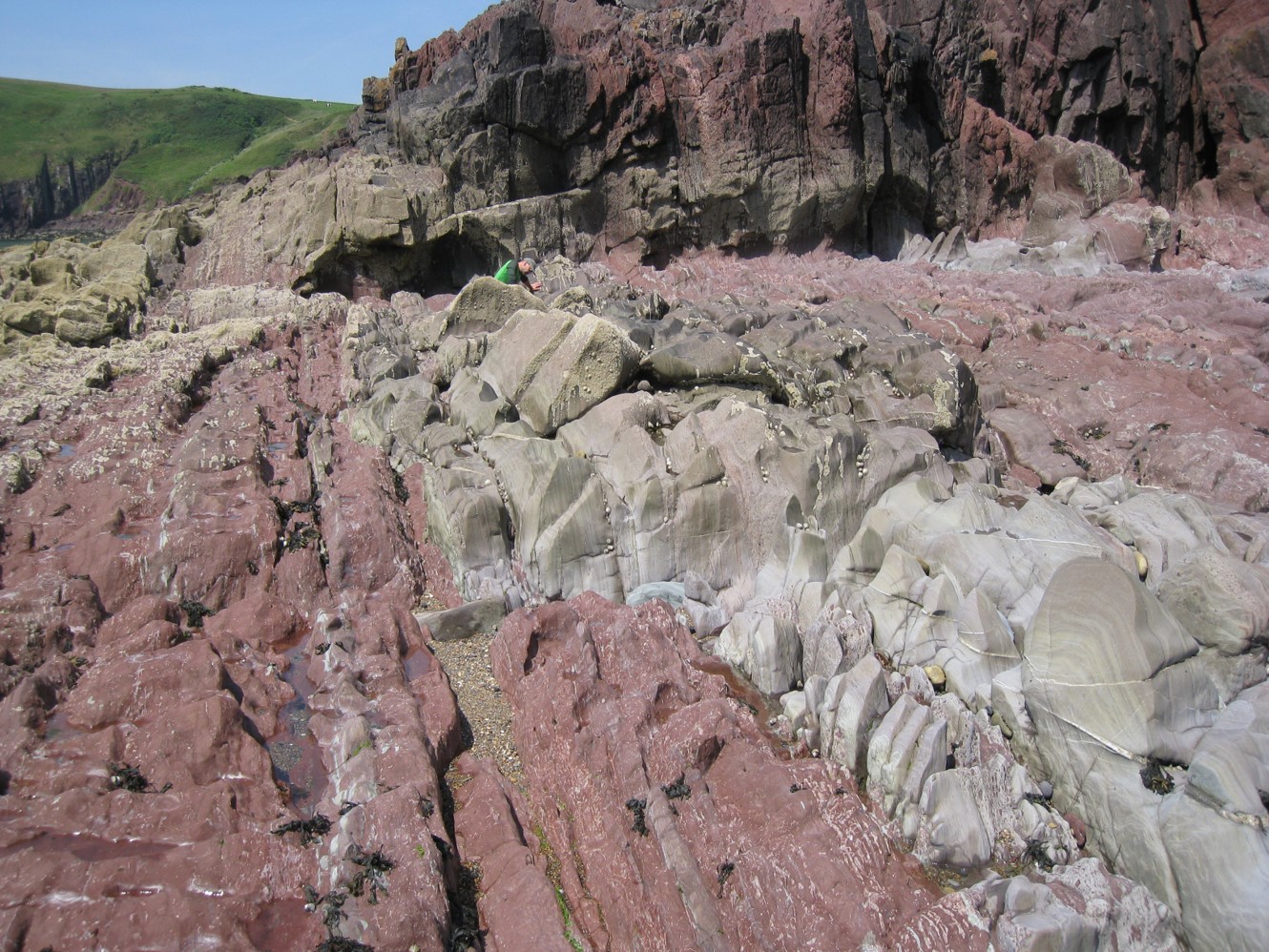
Sand-rich and Confined Turbidite Systems: Annot, France (G048)

Tutor(s)

Mark Bentley: TRACS International Consultancy and Langdale Geoscience.

Overview

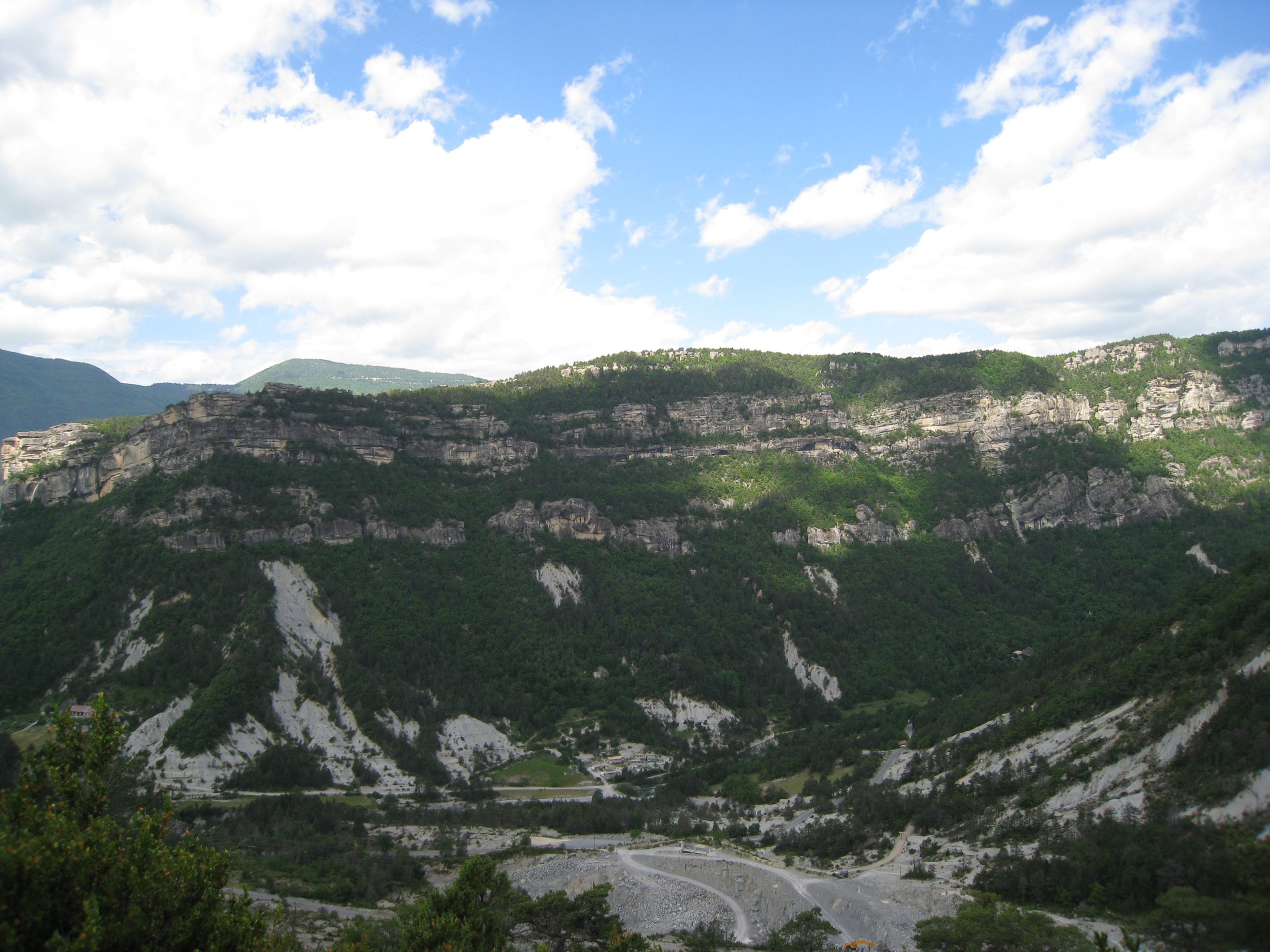
Experience the classic, well-exposed Grès d’Annot turbidite outcrop area in the French Alps, an excellent analogue for deepwater exploration and development targets in structurally active slope and basin settings. This course will provide insights into field development challenges in relatively confined, high-net, submarine fan systems by using the world-class exposures along with static/dynamic models of the outcrops to support discussions. Seismic forward-models of 3-D and 4-D responses to waterfloods in these systems add to the conversation. The setting allows reservoirs to be observed at a range of scales from seismic- and field-scale, to the scale of a core plug, and is intended for a cross-discipline, geoscience and petroleum engineering audience.

Duration and Logistics

A 7-day field course in the French Alps, comprising field activities and exercises on-site, unless weather doesn’t allow. The manual will be provided in paper format, with a digital copy available as a take-away.

Level and Audience

Advanced. The course is designed for integrated teams (geologists, geophysicists and reservoir engineers) evaluating development opportunities for fields in deepwater confined basins. The ideal group would be an asset team, who would be encouraged to bring their own field issues (and data where possible) to discuss live on the analogue.

Exertion Level

This class requires a DIFFICULT exertion level. The Grès d’Annot is quite comfortable in the early summer, with temperatures of 10–25°C (50–80°F) and occasional rain showers. Some field locations require path-based hillwalking involving ascents up to 600m (2000 feet). The longest excursion involves a full-day hike and will be conducted at a leisurely pace.

Objectives

You will learn to:

  1. Assess discrete, structurally controlled sediment transport pathways into bathymetrically complex deepwater basins.
  2. Assess the role of relative structural and flow confinement on turbidite reservoir architecture.
  3. Characterize internal reservoir architecture in different parts of the system and assess the impact of heterogeneities on fluid flow.
  4. Formulate reservoir and simulation modelling requirements, in order to forecast production performance from reservoirs of these types.
  5. Determine the level of detail required for reservoir characterization under a range of fluid fills and production mechanisms.
  6. Understand how much of the observed heterogeneity would be detectable on seismic, and predict how fluid-sensitive heterogeneities would be visible on 4-D seismic for a field on production.
Integration of Rocks and Petrophysical Logs (G059)

Tutor(s)

Greg Samways: Director, Geolumina.

Overview

This course will focus on a simple petrophysical workflow entailing the determination of rock properties from conventional logs and core analysis data. Lithology, porosity, permeability and saturations will be determined using a variety of different analytical and simple modelling methods. Emphasis will be placed on understanding the importance of calibration, integration, and validation of the results of each method, based on a fundamental understanding of the geological controls on petrophysical properties.

Duration and Logistics

Classroom version: 3-days with a mix of lectures and exercises. The manual will be provided in digital format and participants will be required to bring a laptop or tablet computer to follow the lectures and exercises.

Virtual version: Five, 3.5-hour interactive online sessions presented over 5 days. The course will focus on problem-solving using real-world data and use a series of Excel workbooks. A digital manual and exercise materials will be distributed to participants before the course.

Level and Audience

Fundamental. This course is intended for non-petrophysicists who require a grounding in the petrophysical determination of lithology, porosity and saturation from conventional and special core analysis, and conventional open-hole logs.

Objectives

You will learn to:

  1. Understand the fundamental geological controls on reservoir properties.
  2. Describe how these properties are measured in the laboratory using conventional and special core analysis methods.
  3. Characterize the ways in which lithology and porosity are determined from well logs and calibrated with core analysis, and how permeability may be estimated in the subsurface away from core control.
  4. Evaluate how the Archie equation is used to determine saturation in cores and from well logs, and the uncertainties and limitations with this method
  5. Investigate how saturation-height models can be created from special core analysis data, thereby avoiding some of the limitations of the Archie method.
  6. Interpret typical conventional log and core analysis data using Excel spreadsheets.
  7. Experiment with the sensitivities of input parameters for various determinations, such as V-Shale, porosity and saturation.

Building a Reservoir Model, Pembrokeshire, UK (G055)

Tutor(s)

Mark Bentley: TRACS International Consultancy and Langdale Geoscience.

Overview

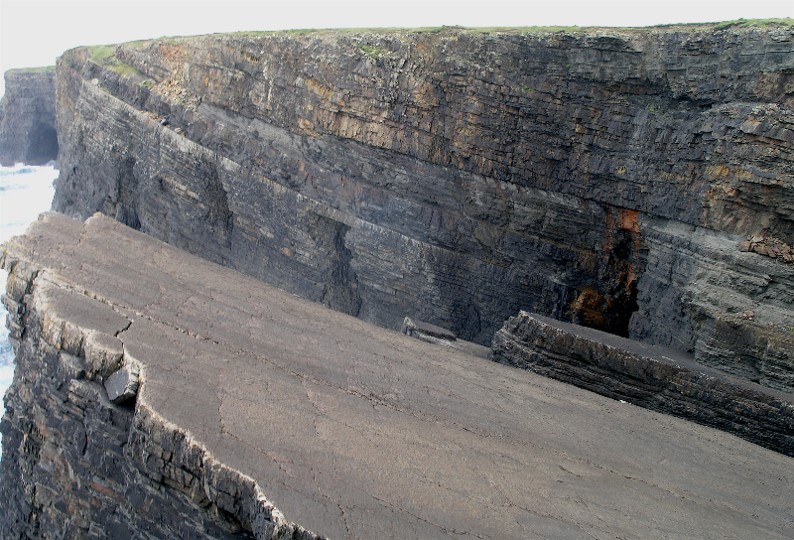
This course offers a software-independent view on the process of reservoir model design and simulation model-building, addresses the underlying reasons why some models disappoint and offers solutions that support the building of more efficient, fit-for-purpose models. The thread through the week is a model design for the notional ‘Pembroke Field’ – a synthetic field constructed from reservoir analogue outcrops in South Pembrokeshire.  The Pembroke Field contains three contrasting reservoir types: continental clastics, shallow marine deltaics and naturally fractured carbonates, in both structurally deformed and undeformed settings. Data from producing oil and gas fields has been scaled to the synthetic models to create a realistic hydrocarbon field accumulation, ready for development.

Objectives

You will learn to:

  1. Create a fluid-sensitive conceptual model for a heterogeneous reservoir, built from a selection of elements and placed in a realistic architectural framework: the “sketch”.
  2. Guide the use of geostatistical tools intuitively, balancing deterministic and probabilistic components with awareness of the limits of the tools.
  3. Select appropriate methods for modeling of matrix properties, including the handling of net (cut-off’s vs total property modeling).
  4. Evaluate options for multi-scale modelling and the possible need for multi-scale approaches based on hierarchical understanding of Representative Elementary Volumes (REV).
  5. Understand issues surrounding permeability modeling and why this differs from the handling of other properties.
  6. Learn a rule of thumb (“Flora’s rule”) to help assess what level of static model detail matters to flow modeling and forecasting.
  7. Review how to use well test analysis to constrain models.
  8. Review options for model-based uncertainty handling (base case led, multi-deterministic scenarios, multi-stochastic ensembles), learn how to post-process the results and how to select an appropriate workflow which minimizes impact of behavioral bias.

Exertion Level

This class requires an EASY exertion level. Field stops require short walks along coastal paths, beaches and wave cut platforms. The longest walk is <5km (3 miles). Field stops are all at approximately sea level and some are tide dependent. Transport will be by coach.This class requires an EASY exertion level. Field stops require short walks along coastal paths, beaches and wave cut platforms. The longest walk is <5km (3 miles). Field stops are all at approximately sea level and some are tide dependent. Transport will be by coach.

Level and Audience

Intermediate. The course is aimed at geoscientists with knowledge of reservoir modeling software, petrophysicists who provide input to static reservoir models and reservoir engineers involved in simulation work who deal with the static-dynamic interface on a regular basis. The course is also of benefit to team leaders who wish to have a deeper understanding of the principles behind modeling and how to QC models made by others.

Duration and Logistics

7 days; a mix of field work (70%), and classroom exercises (30%).

Essential Data Science for Subsurface Geoscientists and Engineers (G065)

Tutor(s)

David Psaila: Director of Data Science for the Digital Subsurface, Analytic Signal Limited.

Overview

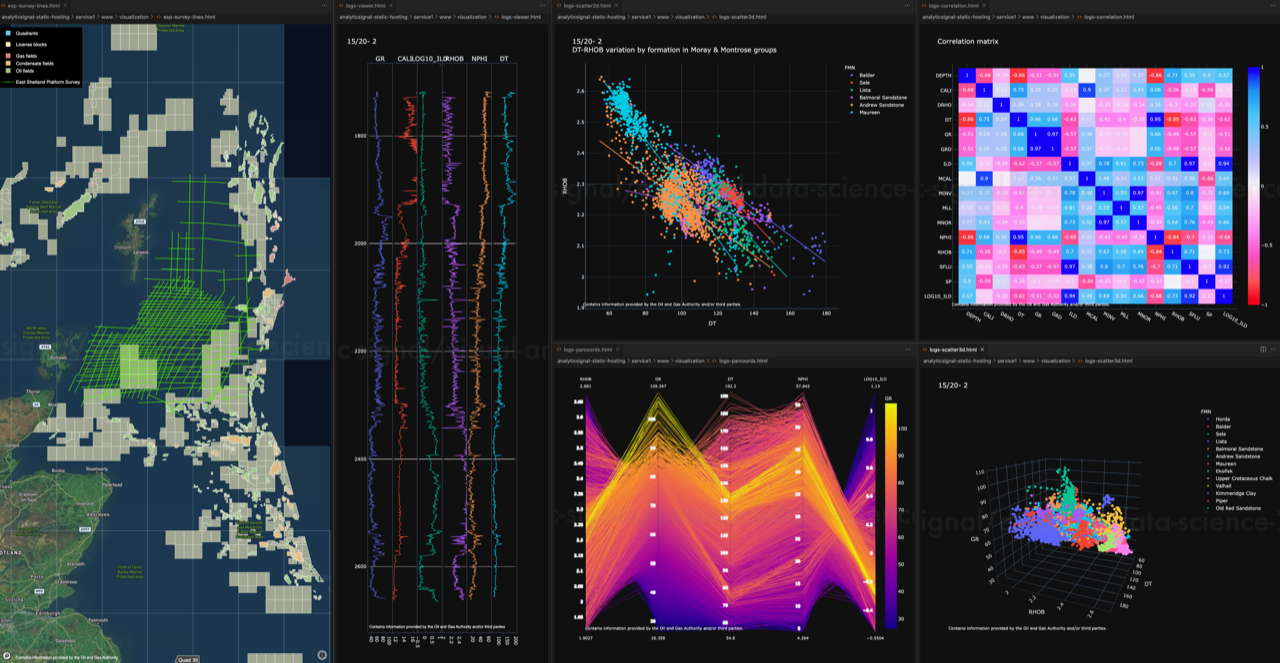
Interest in data science and machine learning is rapidly expanding, offering the promise of increased efficiency in E&P, and holding the potential to analyse and extract value from vast amounts of under-utilised legacy data. Combined with petroleum geoscience and engineering domain knowledge, the key elements underlying the successful application of the technology are: data, code, and algorithms. This course builds on public datasets, code examples written in Python, statistical graphics, and algorithms from popular data science packages to provide a practical introduction to the subject and its application in the E&P domain.

Duration and Logistics

Classroom version: 5 days consisting of lectures and computer-based exercises and practicals.

Virtual version: Ten, 3-hour online sessions presented over 5 days. The course is at an introductory level and all subject matter will be taught from scratch. No prior experience of statistics, Python coding or machine learning is required, although some basic college level knowledge of maths and statistics is useful. Hands-on computer workshops form a significant part of this course, and participants must come equipped with a laptop computer running Windows (8, 10, 11) or MacOS (10.10 or above) with sufficient free storage (4 Gb). Detailed installation instructions are provided in advance so that participants can set up their computer with the data science toolkit and course materials before the course starts.

Level and Audience

Fundamental. This is an introductory course for reservoir geologists, reservoir geophysicists, reservoir engineers, data management, and technical staff who want to learn the key concepts of data science.

Objectives

You will learn to:

  1. Analyse project data using the data science toolkit; notebooks, visualization, and communication.
  2. Perform data import and manipulation, data visualization, exploratory data analysis, and building predictive models from data.
  3. Have a working knowledge of coding in Python.
  4. Coordinate reference systems including geographic and projected coordinate systems.
  5. Use the fundamentals of machine learning including background concepts, the different types of machine learning, and the basic workflow to build and evaluate models from data.

An Introduction to Sequence Stratigraphy (G068)

Tutor(s)

Gary Hampson: Professor of Sedimentary Geology, Imperial College London.

Overview

Sequence stratigraphy is a key tool for subsurface interpretation of depositional systems and thereby predicting the distribution of reservoir, source rock and seal lithologies. The course will introduce the principles and methods of sequence stratigraphy, with a focus on continental, shallow-marine and deep-marine depositional settings. Participants will apply these principles and methods via the sequence stratigraphic interpretation of subsurface data (e.g. seismic, well-log, core, reservoir production data).

Duration and Logistics

Classroom version: 2 days including a mix of lectures and exercises. The course manual will be provided in digital format and participants will be required to bring along a laptop or tablet to follow the lectures and exercises.

Online version: Three 3.5-hour interactive online sessions presented over 3 days. A digital manual will be distributed to participants before the course.

Level and Audience

Fundamental. This course is designed for junior geoscientists working on a variety of subsurface energy projects who want to gain a basic understanding of sequence stratigraphy and its applications to subsurface data sets. Participants should have knowledge of basic sedimentology and subsurface geology.

Objectives

You will learn to:

  1. Understand the basic terminology of sequence stratigraphy.
  2. Describe the key surfaces and systems tracts.
  3. Appreciate the main components of depositional sequences in continental, shallow-marine and deep-marine systems.
  4. Evaluate a range of subsurface data in terms of sequence stratigraphic methods and models.

Introduction to Clastic Facies (G073)

Tutor(s)

Howard Feldman: Consultant Geologist, Feldman Geosciences LLC; Affiliate Faculty, Department of Geosciences, Colorado State University.

Overview

This course provides an introduction to siliciclastic facies in all aqueous settings, focusing on sand deposition for application to conventional reservoirs. The course begins with an overview of sedimentary structures and their recognition in outcrop and core. Observations of sedimentary structures and facies stacking patterns are then used to interpret depositional environments and make predictions about sand body geometry, size, and compartmentalization. The course makes extensive use of large-format (50% scale) core photos and outcrop photopans from a wide range of environments. Subsurface data sets, including seismic and well logs, are used to illustrate the application of these concepts to subsurface mapping. We will also cover an introduction to core description workflows.

Duration and Logistics

Classroom: A 2-day course comprising a mix of lectures and exercises. The manual will be provided in digital format and participants will be required to bring a laptop or tablet computer to follow the lectures and exercises.

Virtual session: Four 3-hour interactive online sessions presented over 4 days. Digital course notes and exercise materials will be distributed to participants before the course.

Level and Audience

Fundamental. The course is intended for subsurface geoscientists who would like an introduction to siliciclastic facies and their interpretation from core, well logs and seismic. There is no assumption of previous knowledge of clastic systems, and simple concepts are built up into sophisticated depositional models. Skills are built through a series of exercises using outcrop photopans, high-resolution core photos, well logs and seismic. There is abundant opportunity for interaction.

Objectives

You will learn to:

  1. Interpret basic depositional models of siliciclastic systems with a focus on sandy facies, and prediction away from control at a range of scales.
  2. Collect basic observations from core that can be used to constrain depositional models.
  3. Integrate cores, well logs and seismic, in order to make predictions about the distribution of reservoir, source and seal.
  4. Interpret genetic stratigraphic units in core, well logs and seismic.

Quality Control of Land Seismic Processing (G079)

Tutor(s)

Rob Hardy: Director, Tonnta Energy Limited.

Overview

This course will provide participants with fundamentals needed to liaise with specialists and discuss workflows and quality control for land seismic data processing. Using modern case histories and basic theory, the course covers fundamentals, established workflows and advanced technology. Demonstrations will use interactive processing tools to improve the students’ understanding of the latest techniques and how to quality control effectively and efficiently to meet their objectives.

Objectives

You will learn to:

  1. Discuss the most common land seismic acquisition and processing techniques used in seismic exploration and production and become more proficient in the terminology used to describe them.
  2. Recognise seismic processing parameter selection for specific objectives such as amplitude interpretation for exploration and reservoir characterisation.
  3. Discuss quality control of land seismic processing workflows covering data preparation, parameterisation, noise & multiple suppression, velocity model building, imaging and post-migration processing.
  4. Become aware of newer acquisition and processing techniques alongside their potential benefits & pitfalls.

Level and Audience

Fundamental. This course is aimed towards geoscientists seeking fundamentals of land seismic processing methods and those who wish to more effectively liaise with specialists and apply quality control. We start from first principals, but it is helpful if participants have a basic knowledge of land seismic acquisition and processing terminology and are actively working with seismic data.

Duration and Logistics

Classroom: A 2-day course comprising a mix of lectures and case studies. The manual will be provided in digital format and participants will be required to bring a laptop or tablet computer to follow the lectures and exercises.

Virtual version: Four 3-hour interactive online sessions presented over 4 days comprising lectures, discussion and demonstrations using case histories to illustrate the basic theory and impact of the techniques discussed. A digital manual and exercise materials will be distributed to participants before the course. Some reading and several exercises can be completed by participants off-line.

Workshop on the Seismic Expression of Carbonates (G080)

Tutor(s)

Gene Rankey: Professor, University of Kansas.

Overview

The aim of this course is to provide a general overview of the basic principles of carbonate systems and their expression in seismic data, and to demonstrate its utility for exploration and production. The course will include conceptual models, practical hands-on exercises, and demonstrations of the utility of seismic data and derived products. Key examples will illustrate how seismic stratigraphy and seismic attribute analysis can be used to assess reservoir fairways, subdivide a reservoir, constrain reservoir models, and generate high-resolution, geologically constrained predictions of reservoir systems. An important part of this course will be to draw attention to unique aspects of carbonates and how they might differ from siliciclastic from pore to basin scales.

Objectives

You will learn to:

  1. Establish a working knowledge of carbonate sediment and depositional systems.
  2. Assess carbonate seismic attributes, their general classes, and situations in which different types of attributes are most appropriate.
  3. Evaluate quantitative applications of seismic attributes to map seismic facies and porosity in carbonate reservoirs.
  4. Recognize the expression of carbonates in three-dimensions, how these patterns reflect dynamic stratigraphic evolution, and how these patterns can be related to reservoir trends.
  5. Identify the variation and controls on carbonate reservoir architecture in different system tracts.
  6. Appreciate how carbonate petrophysics influences the seismic response of carbonates.
  7. Appraise the different types of carbonate platform on seismic data and assess the presence of key seismic facies.
  8. Illustrate the seismic geometries of carbonate ramps and rimmed shelves and their possible reservoir character.

Level and Audience

Intermediate. The course is aimed at geologists and geophysicists working on carbonate exploration and production projects. No prior knowledge of carbonates is assumed but participants should have some background in the geosciences.

Duration and Logistics

Classroom version: 2 day classroom course comprising presentations, exercises and case studies. Course notes and exercise materials will be distributed to participants during the course. The manual will be provided in digital format and participants will be required to bring a laptop or tablet computer to follow the lectures and exercises

Virtual version: Four 3.5-hour interactive online sessions presented over four days. Digital course notes and exercise materials will be distributed to participants before the course. Some exercises may be completed by participants off-line.

Onshore Seismic Processing and Imaging (G081)

Tutor(s)

Ron Kerr: Seismic Processing Consultant.

David Kessler: President, SeismicCity Inc.

Overview

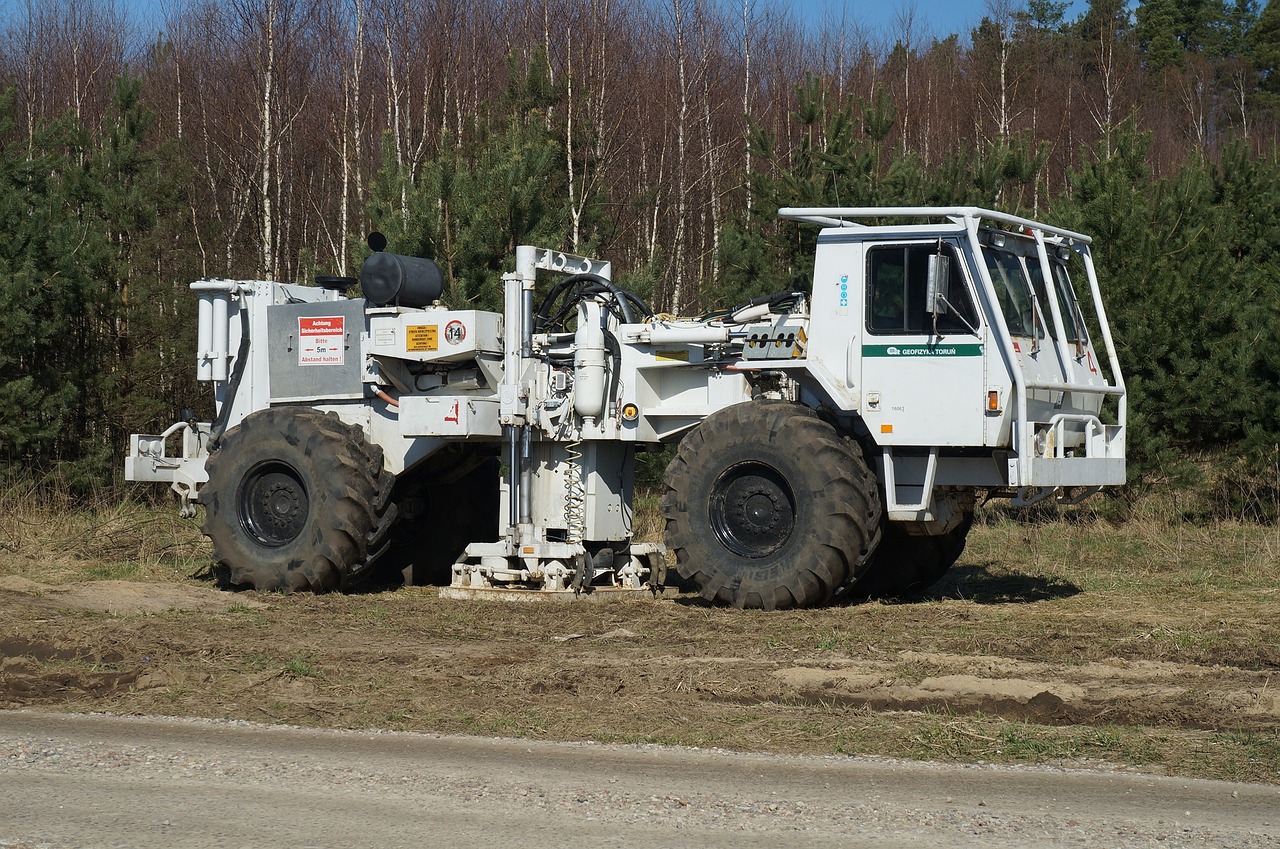
This course will introduce the fundamentals of land seismic acquisition including receiver types and their spectrum indication. Land-based seismic data presents unique challenges, and the course will subsequently follow the processes after acquisition to include all the main processing steps of a modern land 3D dataset.

Duration and Logistics

Fundamental. Intended for geoscientists who work with seismic data and are also required to understand land seismic acquisition and processing projects and work with imaging professionals.

Level and Audience

Classroom version: A 2-day classroom course day including a mix of lectures and exercises. The manual will be provided in digital format and participants will be required to bring a laptop or tablet computer to follow the lectures and exercises.

Virtual version: Four 3.5-hour interactive online sessions presented over four days. Digital course notes and exercise materials will be distributed to participants before the course. Some exercises may be completed by participants off-line.

Objectives

You will learn to:

  1. List common onshore seismic source and receiver types and their spectrum indication.
  2. Describe source/receiver line spacing & intervals and their relationship to acquisition footprints and seismic resolution.
  3. Have a clear picture of main processing steps affecting phase and amplitude and understand the concepts of surface-consistency.
  4. Explain in plain language how FWI works and the key factors to velocity model building.
  5. List the types of data used in data processing.
  6. Identify the main components of the seismic wavefield and what they are used for.
  7. Describe the main collections/domains for manipulating seismic data.
  8. Explain the main steps in a processing sequence.
  9. List the main types of noise and describe attenuation methods for these.
  10. Describe the various velocities used in seismic and how to access them.
  11. Identify multiples and explain methods to attenuate them.
  12. Discuss the need for regularization.
  13. Describe the migration process and list the difference between Time/Depth Migrations.

Geological Controls on Production in Unconventional Reservoirs (G052)

Tutor(s)

Bruce Hart: Freelance Geologist and Adjunct Professor at Western University, Ontario.

Overview

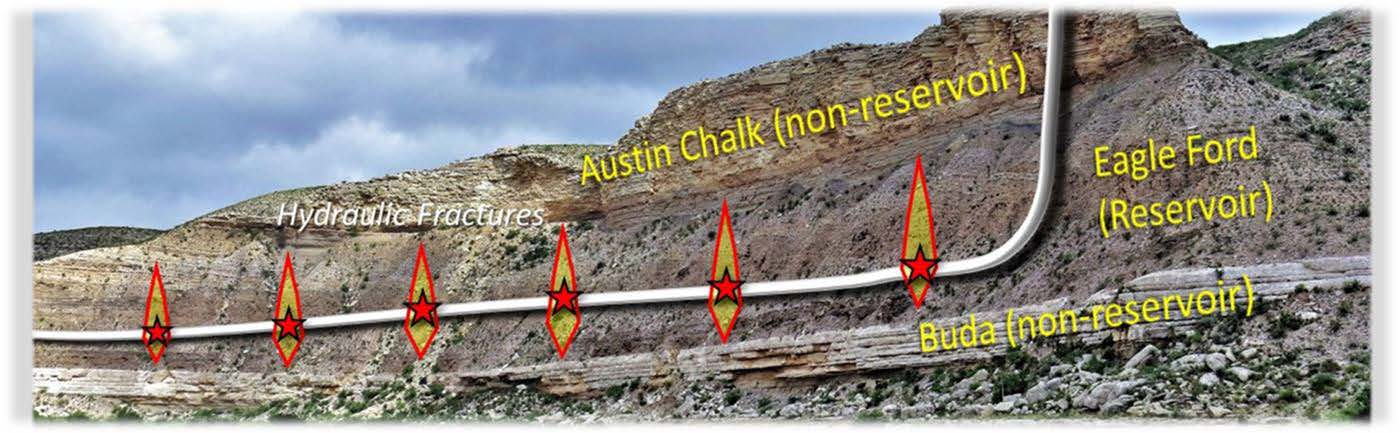
This course classifies unconventional reservoirs from a petroleum systems perspective and leads participants through how depositional controls on reservoir architecture and mechanical stratigraphy affect development strategies.

Duration and Logistics

Classroom version: 3 days; a mix of lectures exercises. The manual will be provided in digital format and participants will be required to bring a laptop or tablet computer to follow the lectures and exercises.

Virtual version: Four 4-hour interactive online sessions presented over 4 days. A digital manual and exercise materials will be distributed to participants before the course.

Level and Audience

Fundamental. Intended for subsurface professionals (geologists, geochemists, geophysicists, reservoir-, completion- and drilling engineers) who have some working knowledge of unconventional reservoirs but are looking to understand how multi-disciplinary integration can improve exploration and development decisions.

Objectives

You will learn to:

  1. Describe unconventional reservoirs based on all parts of their petroleum system’s character, and use that knowledge in a predictive way at all steps from exploration to development
  2. Maximize the benefit of common tools for unconventional reservoir characterization.
  3. Define stratigraphic and structural controls on development strategies: landing-zone definition, horizontal vs vertical wells
  4. Develop a common language that can be used to facilitate information exchange between various engineering and geoscience subdisciplines.