World-class training for the modern energy industry

Enhanced Geothermal Systems: Design Optimization and Project Examples (G581)

Tutor(s)

Mark McClure and Koenraad Beckers: ResFRac Corporation.

Overview

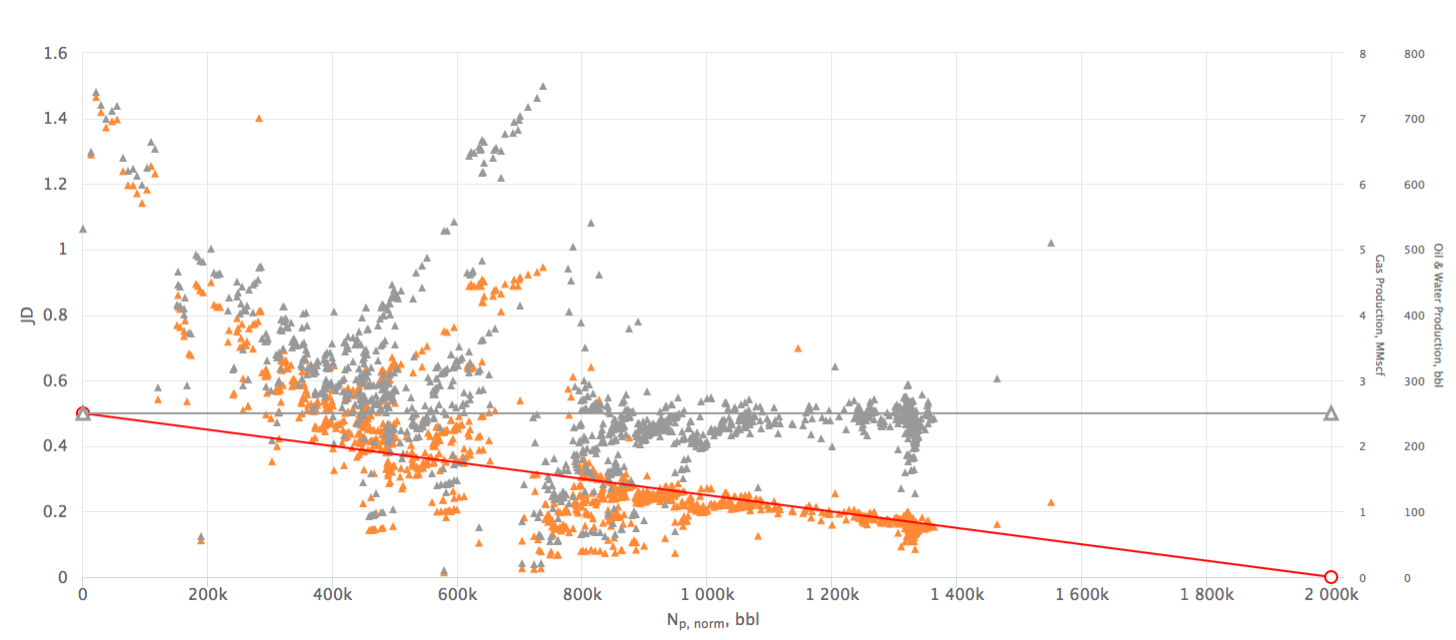
In Enhanced Geothermal Systems (EGS), hydraulic stimulation is applied to improve the productivity of wells drilled in hot, low-permeability formations. This training course provides an introduction to EGS fundamentals including history, stimulation designs, and challenges and opportunities. We will present FORGE and Fervo case studies, briefly cover market trends and thermodynamics, and work through exercises calculating power output and thermal decline for an idealized EGS reservoir and understanding the stress field and implications on EGS design at FORGE from wellbore and test data obtained.

Duration and Logistics

Virtual version: Two 3.5 hour online sessions presented over two days comprising a mix of lectures and exercises. The course manual will be provided in digital format.

Level and Audience

Advanced. The course is largely aimed at geologists and engineers working EGS projects.

Objectives

You will learn to:

  1. Outline key geothermal technical themes with a focus on EGS (history, current case studies, market trends, thermodynamics).
  2. Evaluate modern stimulation designs for EGS as applied at FORGE and Fervo.
  3. Assess EGS challenges (induced seismicity, poor connectivity, rapid thermal decline) and potential mitigation strategies.
Sand-rich and Confined Turbidite Systems: Annot, France (G048)

Tutor(s)

Mark Bentley: TRACS International Consultancy and Langdale Geoscience.

Overview

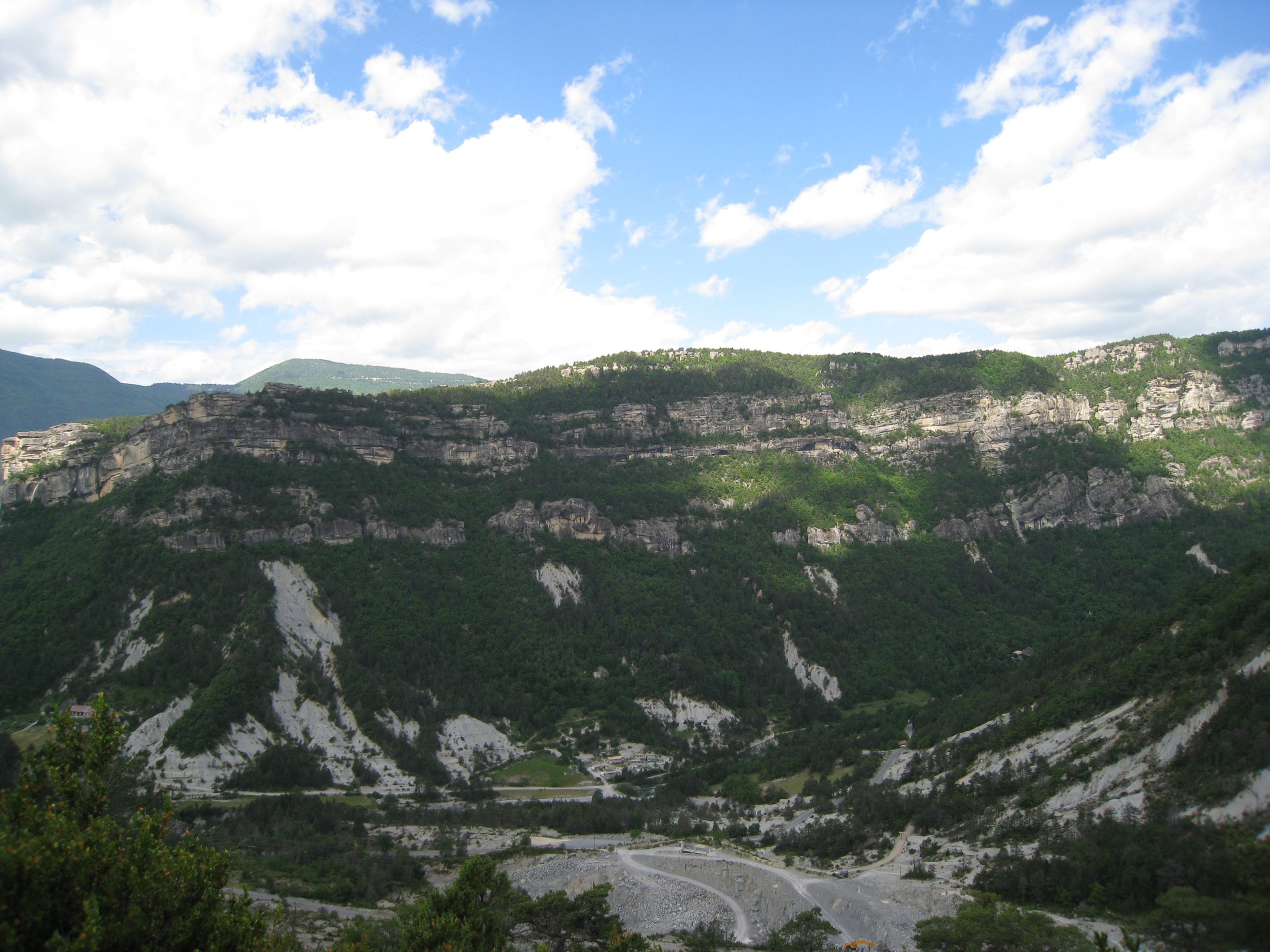
Experience the classic, well-exposed Grès d’Annot turbidite outcrop area in the French Alps, an excellent analogue for deepwater exploration and development targets in structurally active slope and basin settings. This course will provide insights into field development challenges in relatively confined, high-net, submarine fan systems by using the world-class exposures along with static/dynamic models of the outcrops to support discussions. Seismic forward-models of 3-D and 4-D responses to waterfloods in these systems add to the conversation. The setting allows reservoirs to be observed at a range of scales from seismic- and field-scale, to the scale of a core plug, and is intended for a cross-discipline, geoscience and petroleum engineering audience.

Duration and Logistics

A 7-day field course in the French Alps, comprising field activities and exercises on-site, unless weather doesn’t allow. The manual will be provided in paper format, with a digital copy available as a take-away.

Level and Audience

Advanced. The course is designed for integrated teams (geologists, geophysicists and reservoir engineers) evaluating development opportunities for fields in deepwater confined basins. The ideal group would be an asset team, who would be encouraged to bring their own field issues (and data where possible) to discuss live on the analogue.

Exertion Level

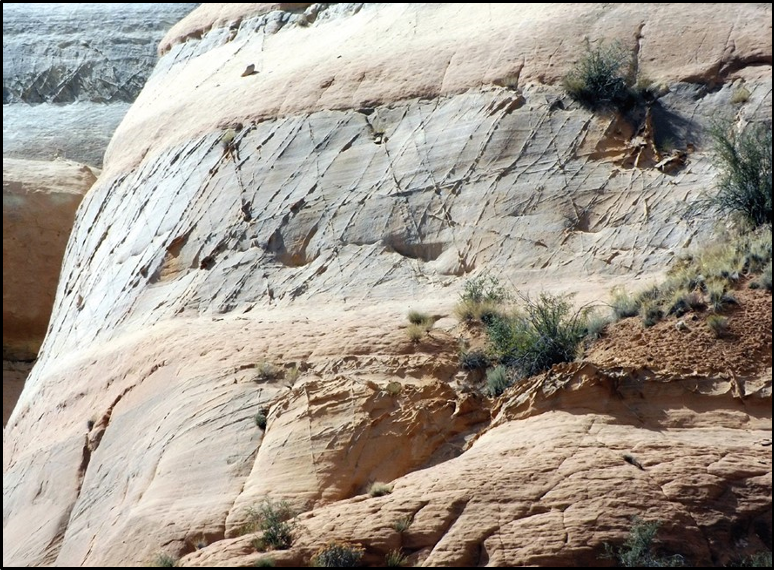
This class requires a DIFFICULT exertion level. The Grès d’Annot is quite comfortable in the early summer, with temperatures of 10–25°C (50–80°F) and occasional rain showers. Some field locations require path-based hillwalking involving ascents up to 600m (2000 feet). The longest excursion involves a full-day hike and will be conducted at a leisurely pace.

Objectives

You will learn to:

  1. Assess discrete, structurally controlled sediment transport pathways into bathymetrically complex deepwater basins.
  2. Assess the role of relative structural and flow confinement on turbidite reservoir architecture.
  3. Characterize internal reservoir architecture in different parts of the system and assess the impact of heterogeneities on fluid flow.
  4. Formulate reservoir and simulation modelling requirements, in order to forecast production performance from reservoirs of these types.
  5. Determine the level of detail required for reservoir characterization under a range of fluid fills and production mechanisms.
  6. Understand how much of the observed heterogeneity would be detectable on seismic, and predict how fluid-sensitive heterogeneities would be visible on 4-D seismic for a field on production.

Geomechanics for Unconventional Developments (G051)

Tutor(s)

Marisela Sanchez-Nagel and/or Neal Nagel: OilField Geomechanics LLC.

Overview

The course starts with an introduction to geomechanics fundamentals and then aspects relevant to unconventionals are developed, especially as they relate to the effect of fabric and heterogeneity. “Common knowledge” is challenged and popular procedures are presented in the light of geomechanics fundamentals and concepts. Recent topics such as cube developments and frac hits are discussed. This is an in-depth but engaging training course.

Duration and Logistics

Classroom version: 3 days; a mix of lectures (80%) and hands-on exercises and/or examples (20%). The manual will be provided in digital format and participants will be required to bring a laptop or tablet computer to follow the lectures and exercises.

Virtual version: Five 4-hour interactive online sessions presented over 5 days. A digital manual and exercise materials will be distributed to participants before the course.

Interactive questioning and possibly breakout sessions will be utilized to reinforce learnings.

Level and Audience

Advanced. Intended for geoscientists, reservoir and completion engineers and petrophysicists who wish to understand how geomechanics can help them effectively develop their reservoirs.

Objectives

You will learn to:

  1. Understand the fundamentals of geomechanics including stress and strain, pore pressure evaluation, mechanical rock behavior and geomechanical models.
  2. Gain an understanding of conventional fracturing models in unconventional developments and the associated workflow.
  3. Describe the properties of naturally fractured reservoirs including their influence on drilling, stimulation and production.
  4. Perform reservoir quality evaluations including the assessment of poroperm, natural fractures, pressures and mechanical properties as quality indicators.
  5. Characterize shale properties including shale types, brittle versus ductile behavior and geological scenarios for completions.
  6. Assess the influence of the stress field and in-situ pore pressure on hydraulic fracture behavior.
  7. Assess the microseismic response with anisotropic stresses and the use of numerical models for interpretation and characterization.
  8. Characterize the effects of multiple well completions in a fractured rock mass.
  9. Assess the types of hydraulic fracture monitoring including microseismic monitoring.

Cretaceous Lacustrine Carbonate Reservoirs of the South Atlantic (G045)

Tutor(s)

Paul Wright: Independent Consultant.

Overview

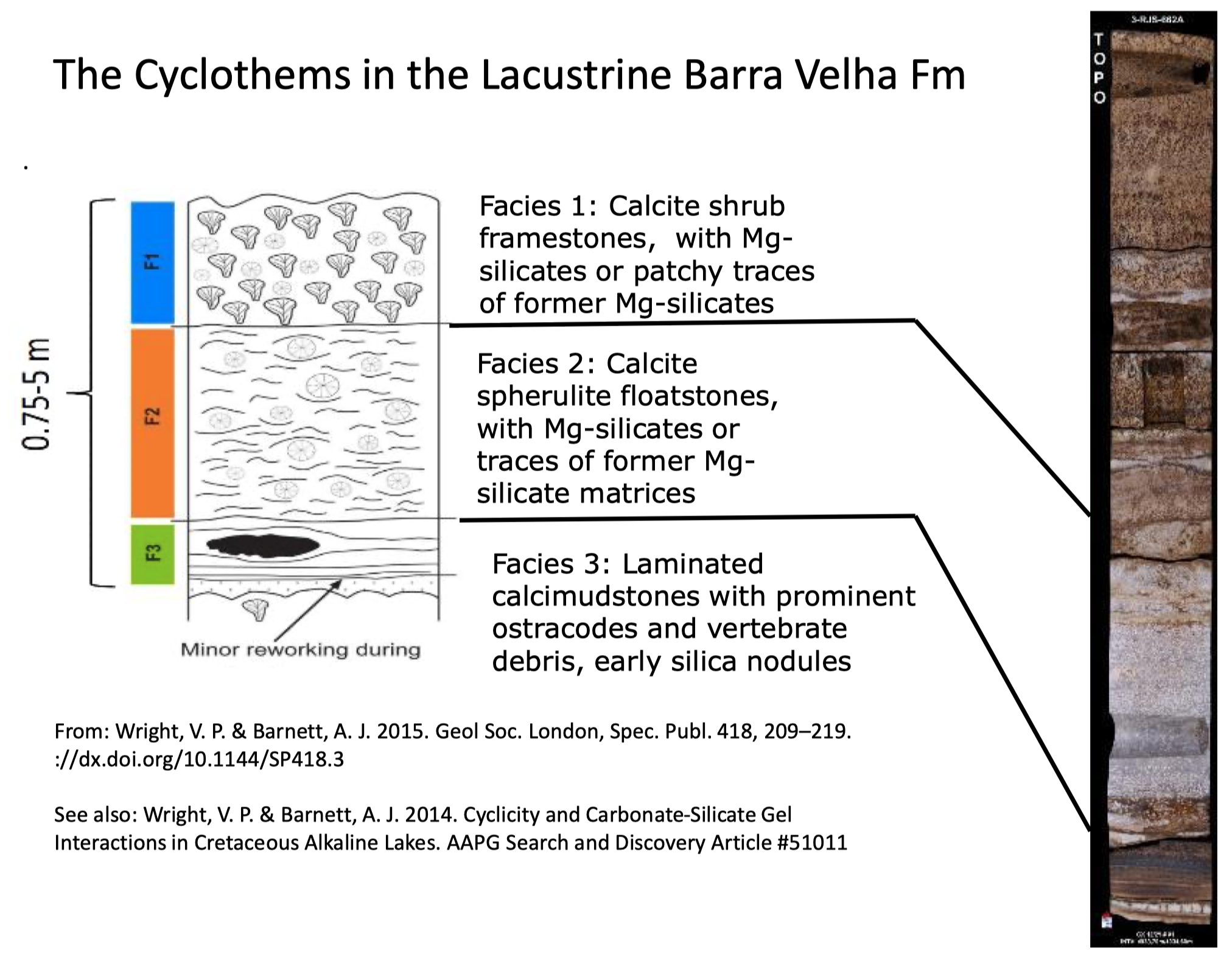
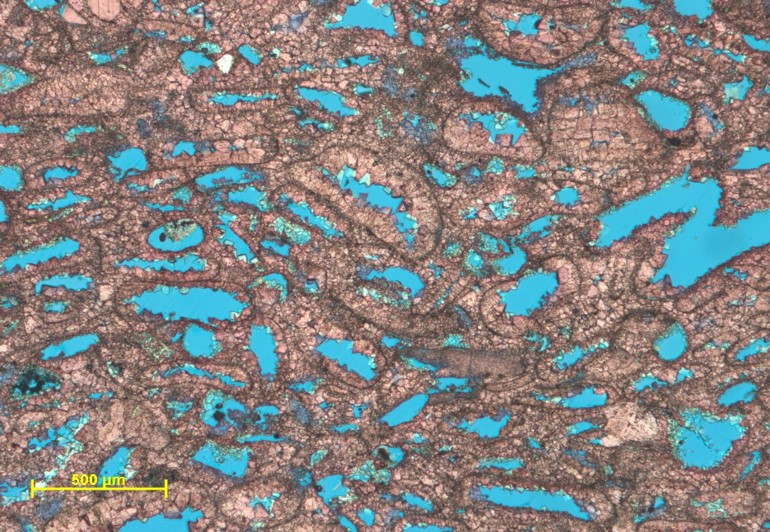
This course provides a description of the highly unusual carbonate reservoirs deposited in the Santos Basin (offshore Brazil) during the rift to sag stages of Atlantic opening, and a discussion of the controversies surrounding their origin. Particular emphasis will be given to the Aptian so-called microbialite reservoirs (Barra Velha Formation and equivalents), reviewing both of the main models for their development and evaluating the seismic and sedimentological models. A practical approach to characterizing these complex rock types will be provided. The course will include an introduction to non-marine carbonate systems in extensional settings, as well as a review of the South Atlantic coquina reservoirs.

Duration and Logistics

Classroom version: A 2-day classroom course. The manual will be provided in digital format and participants will be required to bring a laptop or tablet computer to follow the lectures and exercises.

Virtual version: Four 3-hour interactive online sessions presented over 4 days. A digital manual will be distributed to participants before the course. Some reading is to be completed by participants off-line.

Level and Audience

Advanced. Intended for technical staff and managers who are involved in exploration for or exploitation of carbonates along the margins of the South Atlantic, or are interested in furthering their understanding of carbonate reservoirs in general.

Objectives

You will learn to:

  1. Recognize the range of carbonate systems that develop in extensional settings.
  2. Describe the highly unusual and prolific Aptian carbonate reservoirs of the Santos Basin.
  3. Contrast the models for the formation of these chemogenic rocks and discuss their differences.
  4. Evaluate the strikingly different reservoir characteristics that emerge from the two models.

Characterization of Clastic Reservoirs: Workflows for Reservoir Evaluation (G035)

Tutor(s)

Rene Jonk: Director, ACT-Geo Consulting and Training; Honorary Professor, University of Aberdeen.

Overview

Reservoir mapping at production scale has to be performed with an understanding of clastic depositional systems, with full integration of core, core-plugs, well logs, seismic and production and engineering data. The variation in reservoir architecture of most common deposition-system morphotypes strongly influences development and production strategies, as well as in mapping techniques for not only the field scale but also to increase chances of finding near-field opportunities. The workshop examines common reservoir facies in transitional-marine to deep water systems, from fluvio-, wave- and tidal-dominated deltas, incised valleys, deep water channel systems and distributary channel lobe systems (deep water fans). Discussions include dimensional data of sand bodies in the different environments and recognition criteria in cores, well logs and seismic. The class will present optimized workflows for reservoir mapping, including the definition of the deliverables that need to be achieved in different business stages, focusing on when, why and how to develop them.

Duration and Logistics

Classroom version: 3 days; a mix of lectures (55%), core observation (10%) and hands-on exercises (35%). The manual will be provided in digital format and participants will be required to bring a laptop or tablet computer to follow the lectures and exercises.

Virtual version: Five 4-hour interactive online sessions presented over 5 days. A printed manual and exercise materials will be distributed to participants before the course and several exercises are to be completed by participants off-line.

Level and Audience

Advanced. This course is intended for geologists, geophysicists and petrophysicists with basic training in sequence stratigraphy and basic clastic facies.

Objectives

You will learn to:

  1. Recognize different environments of deposition (EoDs) in cores, emphasizing typical facies stacking in common transitional marine and deep marine reservoirs.
  2. Classify facies and stacking in typical transitional marine to deep marine EoDs.
  3. Mechanisms for sediment transport in different EoDs and impact on reservoir rock properties.
  4. Integrate core and core plug information in reservoir analysis, tying to well log and seismic data.
  5. Recognize typical log patterns in different depositional systems.
  6. Recognize typical seismic map views and cross-sectional views of sand-rich EoDs.
  7. Apply mapping techniques for well logs and seismic with emphasis on identification of EoDs.
  8. Make pre-drill predictions based on understanding of EoDs and seismic response.
  9. Understand dimensional data for sandbodies in different EoDs
  10. Implement reservoir mapping workflows that emphasize data integration and focus on deliverables in different business stages.

Applied Concepts in Fractured Reservoirs with Discussions on Production, EOR, CO2 Sequestration and Geothermal Energy (G039)

Tutor(s)

John Lorenz: Co-founder and Partner, FractureStudies LLC.

Scott Cooper: Co-founder and Partner, FractureStudies LLC.

Overview

This course explores the wide range of structures that fall under the term ‘fracture’ and examines the effects of different fracture types on permeability in conventional and unconventional hydrocarbon reservoirs, and for EOR, CO2 sequestration and geothermal energy applications. The course establishes an understanding of natural fractures by explaining fracture mechanics and the origins of fractures, and then presents practical approaches to analyzing and working with fractures. Topics will include: collecting fracture data; measuring fracture attributes; differentiating natural from induced fractures; calibrating fracture data (from core, CT scans, outcrops, image logs and seismic); and determining in situ stresses. The course also describes how to predict fracture types in different structural domains and in different types of reservoirs, how the differences between extension and shear fractures control both individual fracture permeability and fracture network interconnectedness, and how to assess the interaction between natural and hydraulic stimulation fractures. Discussions of the applications to CO2 sequestration, geothermal energy, hydrocarbon reservoirs and enhanced recovery are included.

Duration and Logistics

Classroom version: A 3-day classroom course comprising a mix of lectures (80%) and hands-on exercises (20%). The manual will be provided in digital format and participants should bring a laptop or tablet computer to follow the lectures and exercises. A highlight of the classroom version is the inclusion of a hands-on, 65-plus piece teaching collection of natural and induced fractures in core.

Virtual version: Five 4-hour interactive online sessions presented over 5 days. A digital manual and exercise materials will be distributed to participants before the course. Some reading and exercises are to be completed by participants off-line.

Level and Audience

Advanced. Intended for geoscientists, reservoir and completion engineers, and petrophysicists, who wish to characterize and understand fracture systems and their effects on reservoir permeability and fluid flow. The class includes assessing how fracture permeability is affected by the in-situ stress system, and the interaction of natural fractures with hydraulic stimulation fractures.

Objectives

You will learn to:

  1. Appreciate how different fracture types have different effects on reservoir permeability and fluid flow.
  2. Assess how fracture types can vary by lithology within the same structural setting.
  3. Establish how fracture types can vary by structural setting within the same lithology.
  4. Assess fracture permeability and how it can be sensitive to changes in the in-situ stress during production and injection.
  5. Recognize fracture type using the small sampling of a reservoir offered by core and how this can provide a conceptual model for differentiating radial from anisotropic drainage, or flow away from the well during injection.
  6. Appreciate the interaction of natural fractures with hydraulic stimulation fractures as utilized in hydrocarbon, sequestration and geothermal industries, depending on fracture type and orientation relative to the in-situ stresses.
  7. Use insights into fracture mechanics and the origins of fractures, and gain an understanding of natural fractures and their potential effects on fluid flow.

Uncertainty and Risk in Development: Quantifying Subsurface Risk and Uncertainty for Producing Assets (G038)

Tutor(s)

Mark Bentley or Mark Cook: TRACS International Consultancy.

Overview

The quantification of risk and uncertainty is often discussed in the context of exploration and appraisal, yet most of the upstream E&P business concerns decision-making in producing assets. Handling uncertainty in development and production must deal with a growing and often imperfect production database, against a backdrop of constantly changing circumstances. As the life cycle progresses, initial uncertainties over volume and productivity narrow but are supplanted by new uncertainties, such as sweep efficiency, fine scale architecture and changing responses to new production mechanisms and techniques. These new issues demand a change in approach for the quantification of uncertainty, and vigilance is required to avoid the subsurface interpretation simply collapsing to a best guess. This short, focused workshop explores the key aspects required to manage subsurface uncertainties and associated risks during the producing field life, in terms of people, tools and approach. It will close with a set of questions to ask yourself and others, suitable for reference in informal personal or team reviews, peer reviews and peer assists.

Duration and Logistics

Classroom version: A 1-day course comprising a mix of lectures, case studies and exercises. The manual will be provided in digital format and participants will be required to bring a laptop or tablet computer to follow the lectures and exercises.

Virtual version: Two 4-hour interactive online sessions presented over 2 days. A digital manual and exercise materials will be distributed to participants before the course. Some reading and several exercises are to be completed by participants off-line.

Level and Audience

Advanced. Designed for geoscientists, reservoir engineers, petrophysicists, well technologists, team leaders and management involved in the quantification of risk and uncertainty in fields under development or in production. The class will provide an opportunity for learning, inspiration and discussion with other modelers.

Objectives

You will learn to:

  1. Resolve misunderstandings over definitions in risk and uncertainty.
  2. Understand the key differences between uncertainty and risk in development, compared to exploration and appraisal.
  3. Explain and mitigate common errors in handling probability.
  4. Describe workflows for handling risk and uncertainty in development decisions.
  5. Account for the impact of cognitive bias in E&P, and what to do about it.

Characterization, Modeling, Simulation and Development Planning in Deepwater Clastic Reservoirs, Tabernas, Spain (G076)

Tutor(s)

Mark Bentley: TRACS International Consultancy and Langdale Geoscience.

Overview

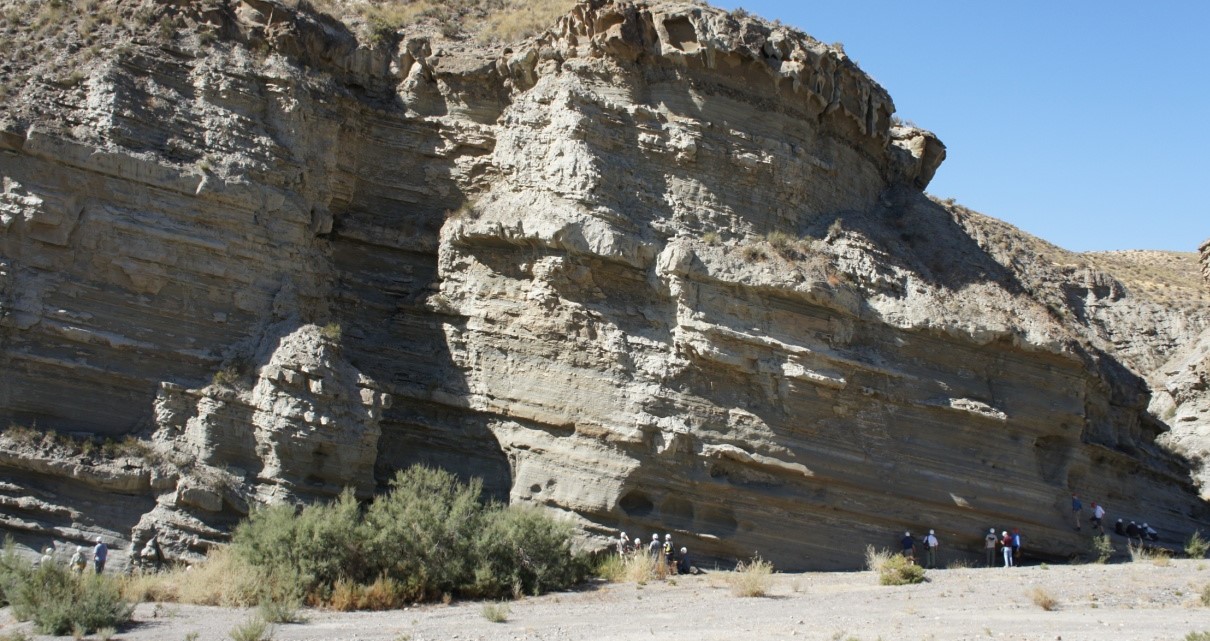
This course is led by a production geologist and reservoir engineer involved in deepwater reservoir development, and is presented as a practical reservoir discussion rather than purely a traditional geological field trip. The objective of this field course is to explore the reservoir modelling and petroleum engineering aspects of deepwater clastic reservoirs. The discussions highlight the linkage from depositional processes to geological architecture and flow heterogeneity in development planning. The Tabernas outcrops are very well exposed and offer examples of sand-rich and debris-flow-dominated reservoirs, high net:gross fan systems and classic mud-dominated facies. In particular, they give excellent insights into the reservoir heterogeneities occurring within apparently continuous ‘sand lobes’ and major channels.

Duration and Logistics

A 7-day field course based in Almeria, Spain, comprising a mix of field activities and exercises. Transport will be by SUV on paved roads and unpaved tracks.

Level and Audience

Advanced. The course is largely aimed at geologists and reservoir engineers working on deepwater developments. The course is best suited to multidisciplinary team of geologists, geophysicists, petrophysicists and reservoir engineers.

Exertion Level

This class requires a MODERATE exertion level. There will be multiple walks of up to 1km (0.5 mile) most days. The longest walk of the class is approximately 2km (1 mile), with an ascent (and descent) of 75m (245 ft). The field area is in Europe’s only desert region and participants should expect high temperatures and an arid working environment. Participants should also be prepared for sudden and heavy rain showers.

Objectives

You will learn to:

  1. Assess the genetic processes that produce slumps, slides, debrites and high/low density turbidites, and explain why the concept of confinement underpins the description of heterogeneity in deepwater clastic systems.
  2. Evaluate the extent to which pay is under-/over-estimated in mud-rich/sand-rich systems, respectively, and the resulting errors in STOIIP and PI estimation.
  3. Organise a detailed sedimentological description into key reservoir elements and build an architectural model using those elements.
  4. Assess the basic principle of flow in porous media (Darcy) and describe how flow heterogeneity varies in layered and amalgamated clastic systems.
  5. Appraise the contrasting heterogeneities in sand- and mud-rich systems and determine how much detail is required in a reservoir description based on a consideration of fluid type and production mechanism.
  6. Evaluate how kv/kh impacts recovery in typical deepwater clastic architectures; optimally locate a well to optimize sweep for a range of architectural cases.
  7. Judge length scale variations for a typical deepwater clastic system, and discuss how this would be handled in a reservoir modelling and simulation context.

De-risking Carbonate Exploration (G008)

Tutor(s)

Paul Wright: Independent Consultant.

Overview

This is a ‘what you really need to know about carbonates’ course, in order to attempt to de-risk carbonate prospects. Carbonate rocks are complex; however, there are basic principles that provide a framework in which such complexity may be rendered understandable. The course focuses on large scale rules, risks, uncertainties, strategies and workflows, with a heavy emphasis on seismic facies. It does not focus on appraisal or development aspects.

Duration and Logistics

Classroom version: A 4-day classroom course comprising a mix of lectures (75%) and exercises (25%). The manual will be provided in digital format and participants will be required to bring a laptop or tablet computer to follow the lectures and exercises.

Virtual version: Eight 3-hour interactive online sessions presented over 8 days. A digital manual and exercise materials will be distributed to participants before the course. Some reading and several exercises are to be completed by participants off-line.

Level and Audience

Advanced. This course is really aimed at explorationists with at least a basic knowledge of carbonates but will also prove useful to more experienced geoscientists by providing a synthesis of recent advances in understanding carbonate reservoirs, supported by potentially highly practical methodologies for framing uncertainties for reservoir presence.

Objectives

You will learn to:

  1. Frame likely carbonate plays in relation to a given stratigraphic age and basin type.
  2. Identify the main types of carbonate platform as seen from seismic data, de-risk certain types of features and assess the likely presence of key seismic facies.
  3. Evaluate for a given interval and platform type the likely reservoir facies (platform interior, carbonate sands, reefs, slope systems and chalks) and assess the likelihood of reservoir presence.
  4. Understand how the development of primary and secondary porosity has varied through geologic time and how these changes impact upon reservoir quality.
  5. Appreciate the principal modes of formation of dolomites and the predictive uses of different dolomite models.
  6. Understand and identify the diverse origins of palaeokarstic macroporosity, associated risks and the different strategies for developing palaeokarstic reservoirs.

Lessons Learned from Carbon Capture and Storage Projects to Date (G577)

Tutor(s)

Matthew Healey: Managing Director, PACE CCS.

Overview

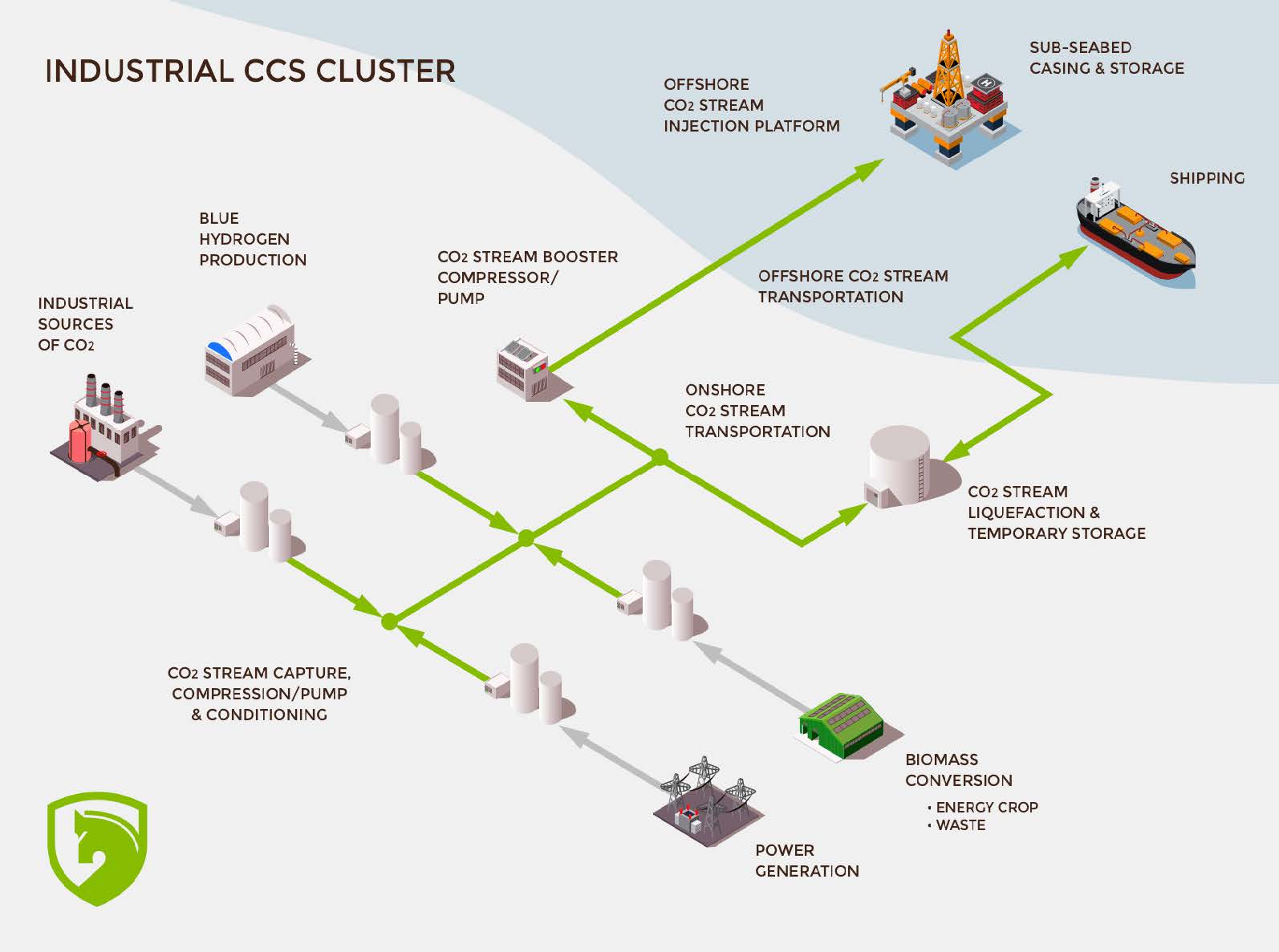
This course is designed to provide information vital to anyone involved with CCS project design. It will provide an introduction to CCS design with a focus on sharing lessons learned from CCS projects in design and operation today. Technical analysis, useful references and practical solutions will be provided.

Duration and Logistics

A 1-day in-person classroom course. An electronic copy of the manual will be provided by the tutor at the end of the course.

Level and Audience

Advanced. This course is suitable for all management and technical staff engaged in carbon capture and storage design and operations. It will provide clear, actionable, technical information that will be immediately applicable to CCS project design.

Objectives

You will learn to:

  1. Understand the key elements in the CCS chain, from capture to disposal.
  2. Understand the unique challenges faced by CCS, and how these are different from oil and gas, CO2-EOR and midstream projects, with primary reference to project experience and lessons learned.
  3. Apply fundamentals of CO2 design, including thermodynamics, chemical reactions, carbon capture, dehydration and compositional control.
  4. Understand the risk to CCS pipeline and well integrity due to corrosion, with primary reference to project experience and lessons learned.
  5. Review the behavior of CO2 and challenges associated with very low temperatures during operation, with primary reference to project experience and lessons learned.
  6. Understand the challenges related to design in order to manage planned and unplanned CO2 releases to atmosphere from CCS projects, with primary reference to project experience and lessons learned.
  7. Review the key commercial drivers and risks for CCS that inform design, and understand how these are managed, with primary reference to project experience and lessons learned.
  8. Review lessons learned from application of project management and organizational processes to CCS deliver teams, in order to understand how best to deliver CCS project design and execution.