World-class training for the modern energy industry

The Fundamentals of Hydrogen Energy (G903)

Tutor(s)

Kevin Taylor: Professor in Energy Geoscience, University of Manchester.

Overview

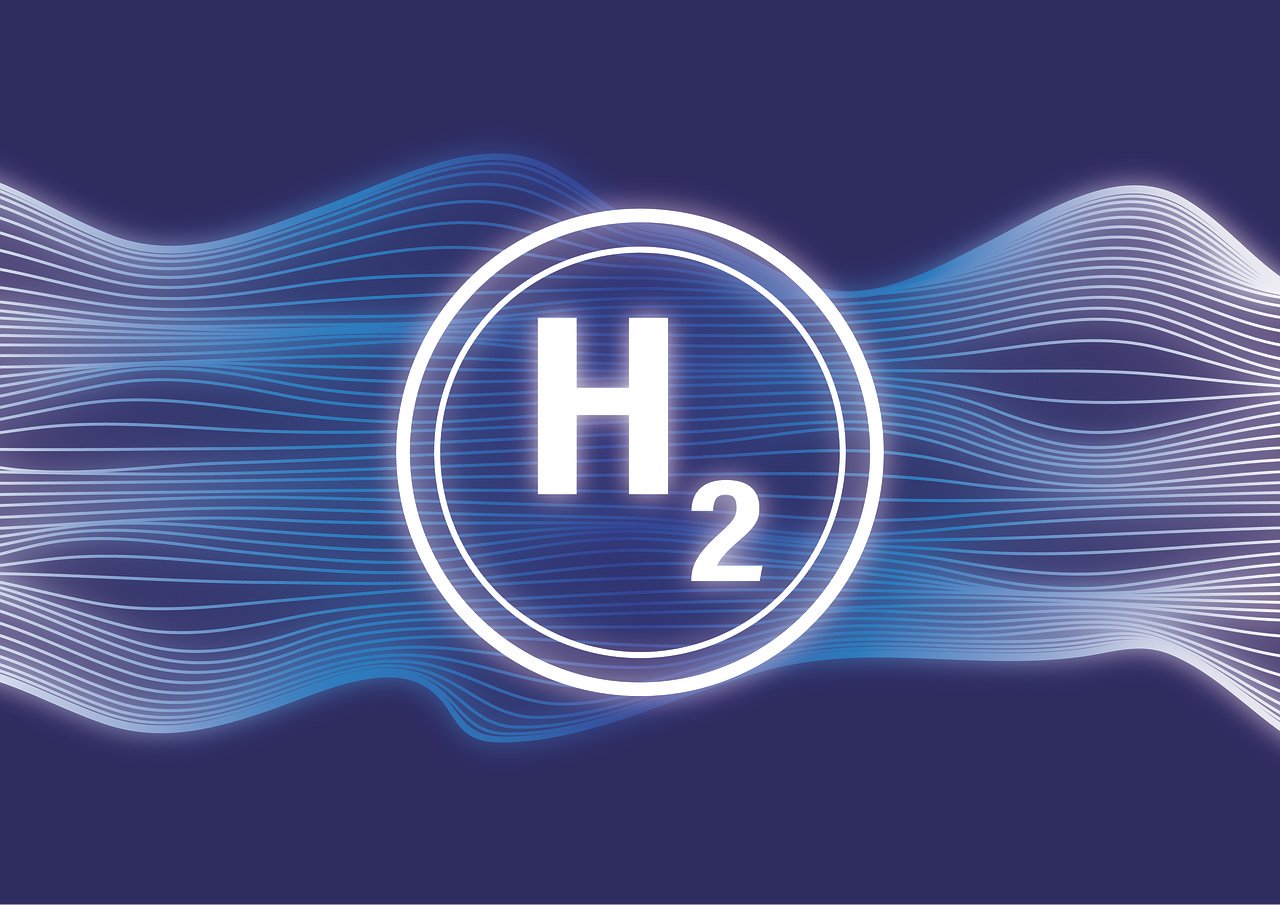
The aim of this course is to give an overview of the fundamental aspects of the current hydrogen energy landscape. This will include a range of topics, including what hydrogen is and why it can potentially be a significant fuel and energy carrier, the different methods in which it can be produced, its potential role in decarbonization of energy and heat, how it can be stored in the subsurface, and its place overall within the energy transition.

Duration and Logistics

Classroom version: A half-day course comprising a mix of lectures, case studies and exercises. The manual will be provided in digital format and participants will be required to bring a laptop or tablet computer to follow the lectures and exercises.

Virtual version: One 3-hour interactive online session. A digital manual and exercise materials will be distributed to participants before the course.

Level and Audience

Awareness. The course is aimed at non-technical staff and those who do not have a scientific background but want a basic introduction to the topic. The subject matter will be covered from very basic principles and will be of interest to staff from a range of departments, including legal, graphics, administration and technical support.

Objectives

You will learn to:

  1. Understand what hydrogen is and why it can be used as a fuel and energy carrier.
  2. Describe how hydrogen can be produced and the resulting different types and terminology.
  3. Appreciate the role hydrogen can play in decarbonizing energy and heat, and the competing demands in the hydrogen energy landscape.
  4. Appreciate the different storage options for hydrogen, particularly in the subsurface.
  5. Recall details of the developing hydrogen supply chains, including infrastructure and distribution networks.

The Fundamentals of Carbon Capture and Storage (G902)

Tutor(s)

Richard Worden: Professor in the Department of Earth Ocean and Ecological Sciences, University of Liverpool, UK.

Overview

The aim of this course is to provide an overview of what carbon capture and storage is, how it works and its role in decarbonization and the energy transition.

Duration and Logistics

Classroom version: A half-day course comprising a mix of lectures, case studies and exercises. The manual will be provided in digital format and participants will be required to bring a laptop or tablet computer to follow the lectures and exercises.

Virtual version: One 3-hour interactive online session. A digital manual and exercise materials will be distributed to participants before the course.

Level and Audience

Awareness. The course is aimed at non-technical staff and those who do not have a scientific background but want a basic introduction into the topic. The subject matter will be covered from very basic principles and be of interest to staff from a range of departments, including legal, graphics, administration and technical support.

Objectives

You will learn to:

  1. Understand what carbon capture and storage is.
  2. Appreciate why carbon capture and storage is needed to reduce emissions.
  3. Outline how carbon capture and storage works.
  4. Discuss carbon capture and storage project risks and uncertainties.

The Fundamentals of Wind and Solar Power (G907)

Tutor(s)

Brian Matthews: Independent Consultant, Founder and Managing Director of TerraUrsa.

Overview

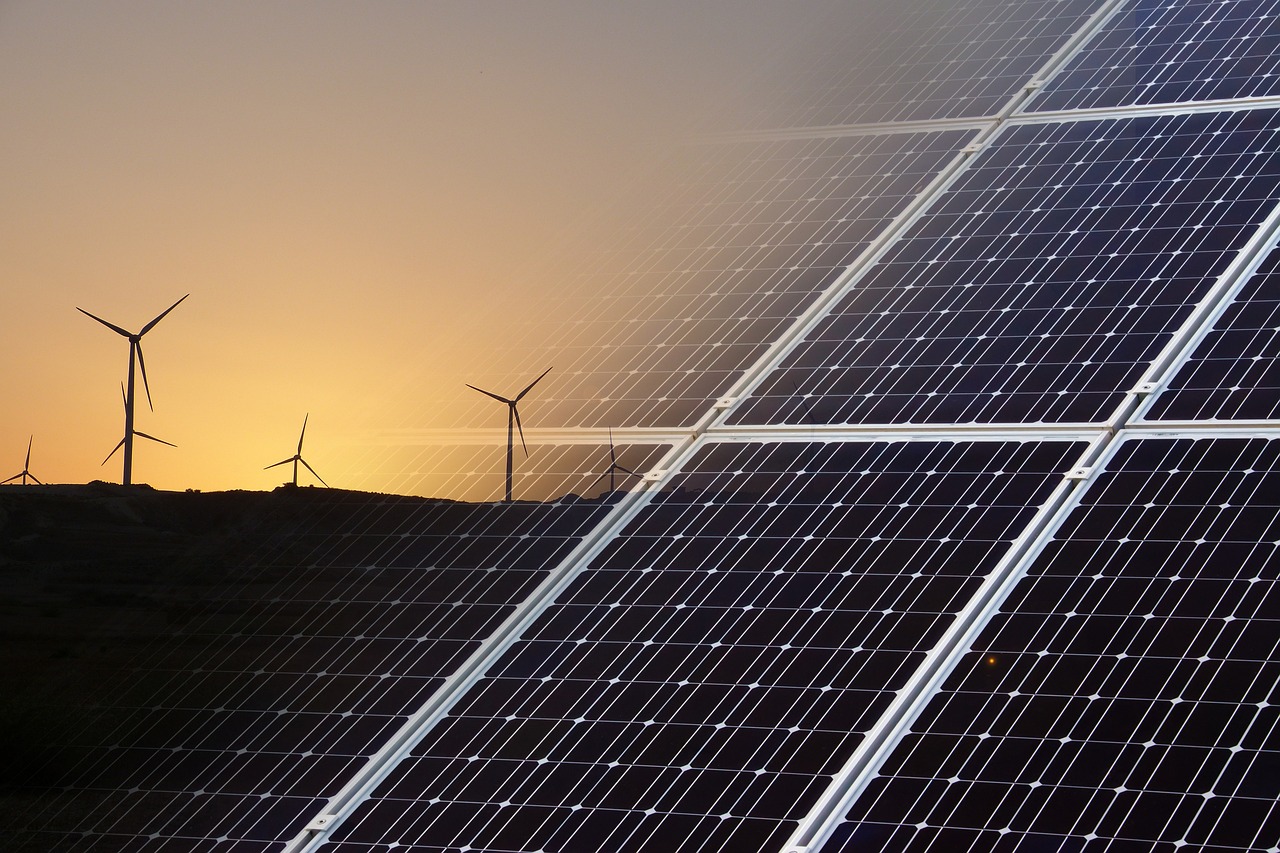
The aim of this course is to provide an overview of wind and solar power technology, how it works and its role in decarbonization and the energy transition.

Duration and Logistics

Classroom version: A half-day course comprising a mix of lectures, case studies and exercises. The manual will be provided in digital format and participants will be required to bring a laptop or tablet computer to follow the lectures and exercises.

Virtual version: One 3-hour interactive online session. A digital manual and exercise materials will be distributed to participants before the course.

Level and Audience

Awareness. The course is aimed at non-technical staff and those who do not have a scientific background but want a basic introduction into the topic. The subject matter will be covered from very basic principles and be of interest to staff from a range of departments including legal, graphics, administration and technical support.

Objectives

You will learn to:

  1. Understand why there is a need to transition to renewable energy.
  2. Recall the challenges of a Net Zero energy transition.
  3. Appreciate how wind and solar power technology works and what the management of an asset looks like through its life.
  4. Describe what the business opportunities are for using, developing and investing in renewable energy.
  5. Have an awareness of what the policy and government strategies are that support a Net Zero transition.

The Fundamentals of Geothermal Energy (G904)

Tutor(s)

Mark Ireland: Lecturer in Energy Geoscience, Newcastle University.

Overview

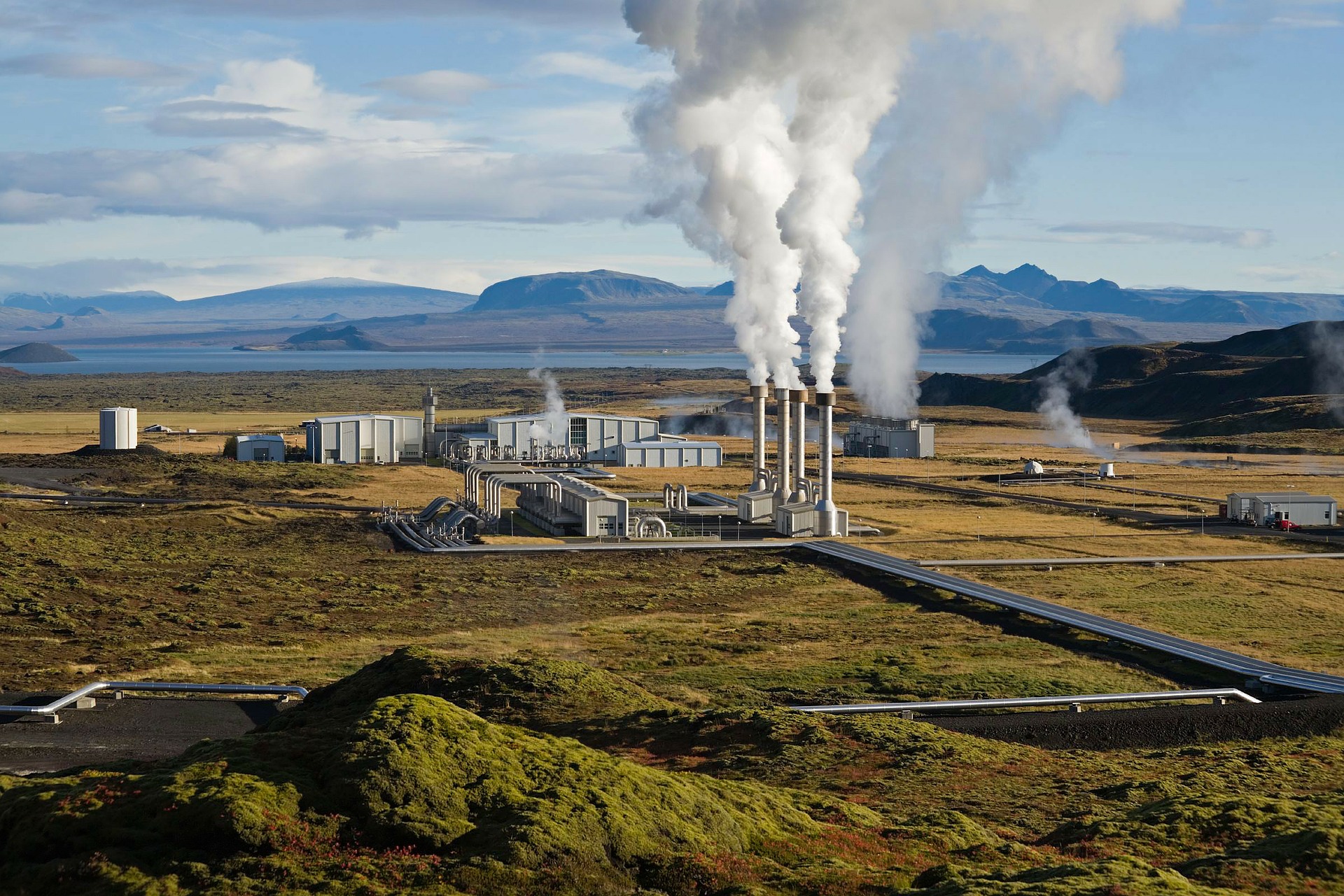
The aim of this course is to provide an overview of what geothermal energy is and how it can be used in our modern world.

Duration and Logistics

Classroom version: A half-day course comprising a mix of lectures, case studies and exercises. The manual will be provided in digital format and participants will be required to bring a laptop or tablet computer to follow the lectures and exercises.

Virtual version: One 3-hour interactive online session. A digital manual and exercise materials will be distributed to participants before the course.

Level and Audience

Awareness. The course is aimed at non-technical staff and those who do not have a scientific background but want a basic introduction to the topic. The subject matter will be covered from very basic principles and will be of interest to staff from a range of departments, including legal, graphics, administration and technical support.

Objectives

You will learn to:

  1. Understand what geothermal energy is.
  2. Outline the applications and use of geothermal energy.
  3. Describe the key characteristics of geothermal resources.
  4. Discuss geothermal project risks and uncertainties.