
World-class training for the modern energy industry

Re-purposing Oil and Gas Infrastructure for the Energy Transition (G541)

Tutor(s)

Bob Harrison: Director, Sustainable Ideas Ltd.

Overview

Attaining net zero greenhouse gas emissions by 2050 will require strategies to use existing and emerging low- or zero-carbon technologies. One potential opportunity is to repurpose existing hydrocarbon facilities to help meet net zero targets in the UK. This course investigates the technical challenges around this topic and examines whether integrating such infrastructure could lower costs and accelerate the energy transition while simultaneously postponing the decommissioning of ageing assets.

Duration and Logistics

Classroom version: A 2-day course comprising a mix of lectures, case studies and exercises. The manual will be provided in digital format and participants will be required to bring a laptop or tablet computer to follow the lectures and exercises.

Virtual version: Four 3.5-hour interactive online sessions presented over 4 days. Digital course notes and materials will be distributed before the course. The tutor will also work through a series of exercises with the group

Level and Audience

Intermediate. The course is intended for professionals working in energy transition, those involved in energy policy and energy sector investors.

Objectives

You will learn to:

  1. Understand how repurposing hydrocarbon infrastructure may aid energy transition.
  2. Appreciate how the handling of CO2, hydrogen and heat differs from oil and gas.
  3. Select sites for potential underground storage and sources of geothermal energy.
  4. Determine the suitability and availability of infrastructure for re-use.
  5. Evaluate the pros and cons of using captured CO2 for enhanced oil recovery rather than storage.
  6. Appreciate how repurposed wells and co-produced water may help potential geothermal development.
  7. Characterize risks and uncertainties in energy transition projects and discuss possible mitigation strategies.
  8. Estimate potential cost savings from hydrocarbon infrastructure re-use.
Critical Resources – Rare Earth Elements (G530)

Tutor(s)

Holly Elliott: Minerals Geoscientist, British Geological Survey.

Overview

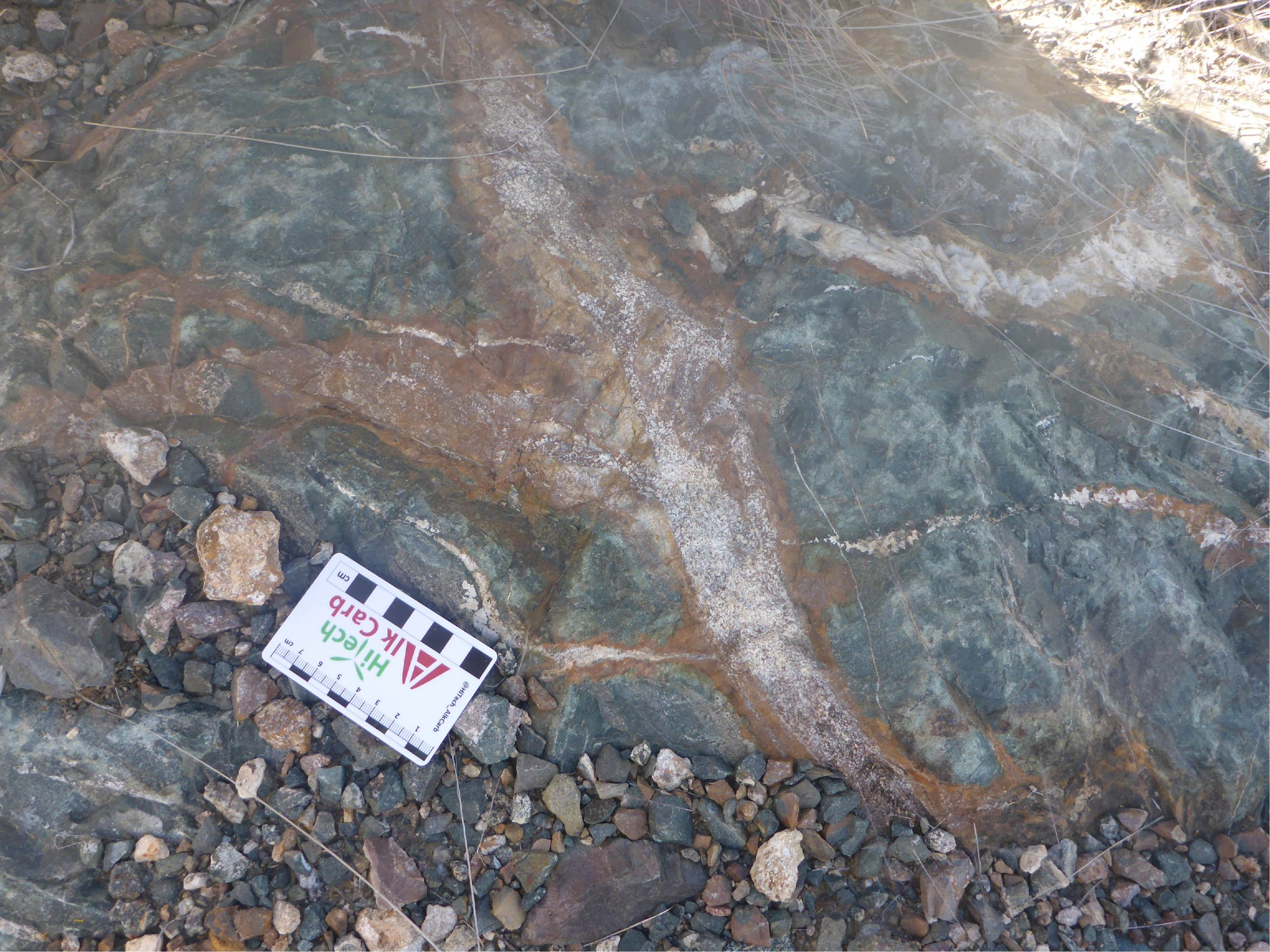
This course covers all aspects of rare earth elements (REE) as critical resources, both in terms of technological advancement and combating climate change. We shall delve into the major sources of these elements, their tectonic settings and the enrichment processes that lead to deposit formation. The characteristics of major REE deposits shall be investigated, using international case studies, to determine typical exploration methods and factors affecting processing.

Duration and Logistics

Classroom version: A 1.5-day course comprising a mix of lectures, case studies and exercises. The manual will be provided in digital format and participants will be required to bring a laptop or tablet computer to follow the lectures and exercises.

Virtual version: Three 3.5-hour interactive online sessions presented over 3 days. A digital manual and exercise materials will be distributed to participants before the course. Some reading and exercises are to be completed by participants off-line.

Level and Audience

Intermediate. The course is intended for anyone with an intermediate knowledge of geological processes and exploration techniques.

Objectives

You will learn to:

  1. Understand the characteristics and behavior of REE in these geological environments.
  2. Understand the geological processes leading to formation of different deposit types.
  3. Understand and identify the multiple enrichment mechanisms that lead to REE-enrichment.
  4. Identify typical rocks and minerals associated with REE deposits.
  5. Evaluate typical features of REE deposits to determine appropriate exploration techniques.
  6. Interpret geochemical and exploration data associated with REE deposits.
  7. Assess the economic viability of deposits using typical characteristics.

Fractures and associated Structural Concepts for the GeoEnergy Transition: a Virtual Field Course (G511)

Tutor(s)

Richard Jones: Managing Director, Geospatial Research Ltd.

Overview

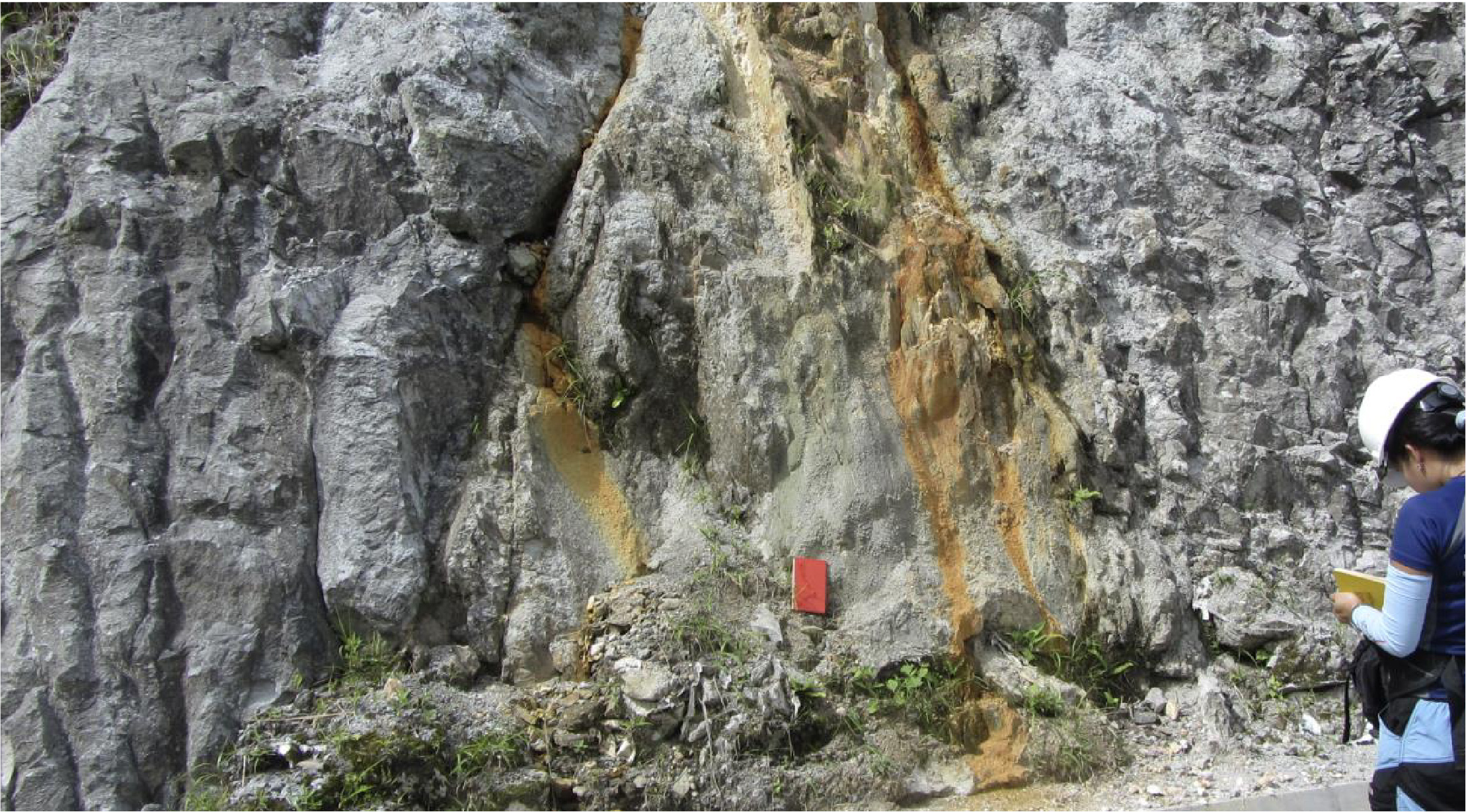
Making extensive use of virtual outcrop technologies, this course will provide participants with a field trip itinerary that includes contrasting natural fracture networks from a wide range of rock types and structural settings. The course will combine fieldwork-based appraisal of fractures with collation and processing of different types of fracture data and their practical uses in GeoEnergy Transition applications.

Duration and Logistics

Classroom version: A 3-day course comprising a mix of lectures, case studies and exercises. The manual will be provided in digital format and participants will be required to bring a laptop or tablet computer to follow the lectures and exercises.

Virtual version: Five 3.5-hour interactive online sessions presented over 5 days. A digital manual and exercise materials will be distributed to participants before the course. Some reading and exercises are to be completed by participants off-line.

Level and Audience

Intermediate. The course is intended for geoscientists looking to understand the importance of fracture systems and to learn practical methods of appraising natural fracture networks. Target participants include geologists, geoengineers and hydrogeologists, as well as oil and gas professionals looking to apply their existing expertise in new sectors.

Objectives

You will learn to:

  1. Describe the geometry and morphology of individual fractures in outcrop, and interpret the mode of fracturing.
  2. Assess relative timing of fractures, and designate fractures to different sets.
  3. Supplement outcrop data with interpretation from aerial and satellite imagery.
  4. Characterize spatial properties of the fracture network, including spacing, clustering and scaling (size-intensity) relationships.
  5. Evaluate the nature of fracturing in relation to larger scale features: folds, faults and mechanical stratigraphy.
  6. Collate fracture data to produce a conceptual fracture model.
  7. Understand the interplay between fractures and matrix, in terms of porosity and permeability, and the implications for fluid storage and flow.
  8. Predict the general performance of a fracture network in practical GeoEnergy Transition applications.
  9. Recognize the strengths and limitations of different sources of fracture data, and the advantage of combining field data with other data types.

Introduction to Low Enthalpy Geothermal Exploration (G506)

Tutor(s)

Mark Ireland: Senior Lecturer in Energy Geoscience, Newcastle University.

Overview

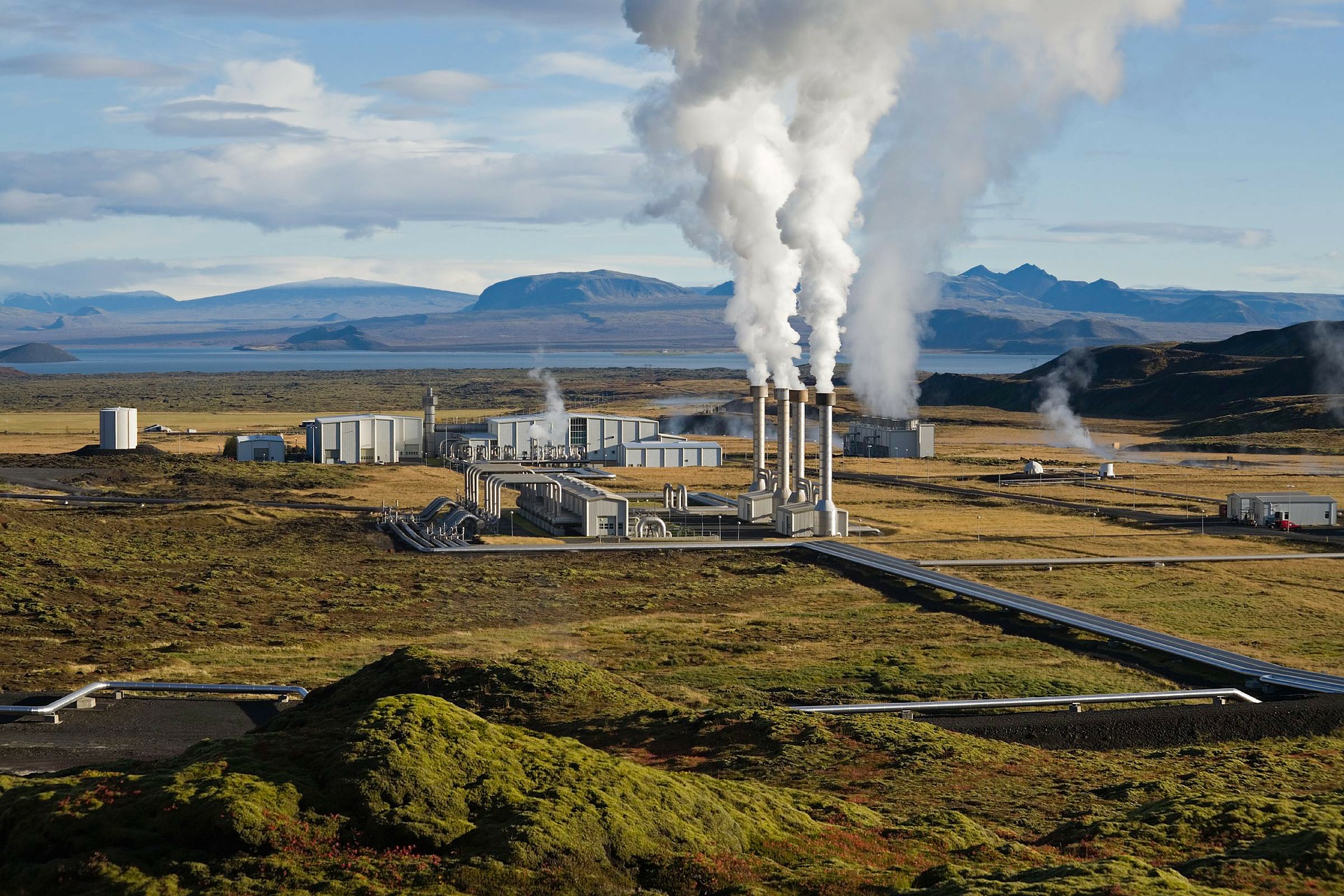
This course covers all aspects of low enthalpy geothermal exploration and production. It is intended as an introduction to the entire lifecycle of low enthalpy geothermal resources, covering aspects of geoscience and engineering.

Duration and Logistics

Classroom version: A 3-day course comprising a mix of lectures, case studies and exercises. The manual will be provided in digital format and participants will be required to bring a laptop or tablet computer to follow the lectures and exercises.

Virtual version: Five 3.5-hour interactive online sessions presented over 5 days. A digital manual and exercise materials will be distributed to before the course. Some reading and exercises are to be completed by participants off-line.

Level and Audience

Intermediate. The course is intended for all career stage industry professionals and early career researchers with a geoscience or geo-engineering background, including those with a familiarity in oil and gas production.

Objectives

You will learn to:

  1. Understand the applications and use of low enthalpy geothermal energy.
  2. Recall the basic principles of heat generation within the upper crust.
  3. Describe the key characteristics of geothermal resources and reservoirs.
  4. Understand the production options for low enthalpy geothermal resources.
  5. Appreciate project risks and uncertainties in developing geothermal resources.

Carbon Capture and Storage Masterclass (G502)

Tutor(s)

Richard Worden: Professor in the Department of Earth Ocean and Ecological Sciences, University of Liverpool, UK.

Overview

This course will provide participants with awareness of the geoscience needs for CCS projects; namely subsurface CO2 storage volumetrics, CO2 flow in the subsurface away from injector wells, the goal of safe and permanent storage of CO2 and cost-benefit issues linked to aquifer depth, well design, etc. The course will establish basics, such as how much CCS is needed to make a difference to global warming, and explore what types of CO2 injection are already happening, including information from CO2-enhanced oil recovery projects. The course will deal with CO2 as a fluid phase and how much CO2 can be stored per cubic meter in terms of porosity and over entire aquifers. It will deal with how quickly CO2 can be injected and the role of aquifer permeability. The course then moves on to the all-important geomechanical effects of CO2 injection and feedbacks between induced mineral dissolution and rock strength and other rock properties. The full range of possible interaction between CO2 and both aquifer and top-seal will be covered, as will the range of possible leakage mechanisms that need to be assessed. The course will conclude with consideration of monitoring strategies.

Duration and Logistics

Classroom version: A 3-day course comprising a mix of lectures, case studies and exercises. The manual will be provided in digital format and participants will be required to bring a laptop or tablet computer to follow the lectures and exercises.

Virtual version: Five 3.5-hour interactive online sessions presented over five days. Digital course notes and exercise materials will be distributed to participants before the course. Some exercises may be completed by participants off-line.

Level and Audience

Intermediate. The course is largely aimed at geoscientists, but engineers will also find the course instructive. Intended for sub-surface scientists, with an emphasis on geoscience topics. Participants will probably have a working knowledge of petroleum geoscience. However, the subject matter of this course, the geoscience of carbon capture and storage, is covered from basic principles.

Objectives

You will learn to:

  1. Develop awareness of the role of geoscience in CCS and of CCS in CO2 emissions reductions.
  2. Appreciate what CO2 injection projects have occurred so far and how they differ from industrial CCS.
  3. Understand CO2 as a fluid in the subsurface and the fluid injection pressure and effective stress regimes that CO2 injection will involve.
  4. Build awareness of the volumetrics of CO2 storage from the micro (pore-scale) to the macro (aquifer volumes).
  5. Gain an appreciation of the question of CO2 flow away from injector wells controlled by permeability and aquifer architecture.
  6. Understand the range of effects that CO2 can have on the host aquifer, from geomechanical to geochemical.
  7. Assess the role of top-seal and fault-seal properties and how they will influence CO2 storage, from risk of fracking, or induced seismicity, to mineral dissolution.
  8. Understand the range of ways that CO2 could escape from the planned storage sites.
  9. Develop an awareness of the range of monitoring strategies that could be employed to ensure safe and long-term storage of CO2.

Best Practices in Pore Pressure and Fracture Pressure Prediction (G043)

Tutor(s)

Richard Swarbrick: Manager, Swarbrick GeoPressure.

Overview

This course presents best practices in how data and standard techniques are combined to generate meaningful pore pressure (PP) and fracture pressure (FG) estimates from log, seismic and drilling data, and to use them to develop pre-drill predictions. The limitations are addressed, along with common pitfalls, leading to an understanding of the uncertainty and risk associated with PP and FG prediction.

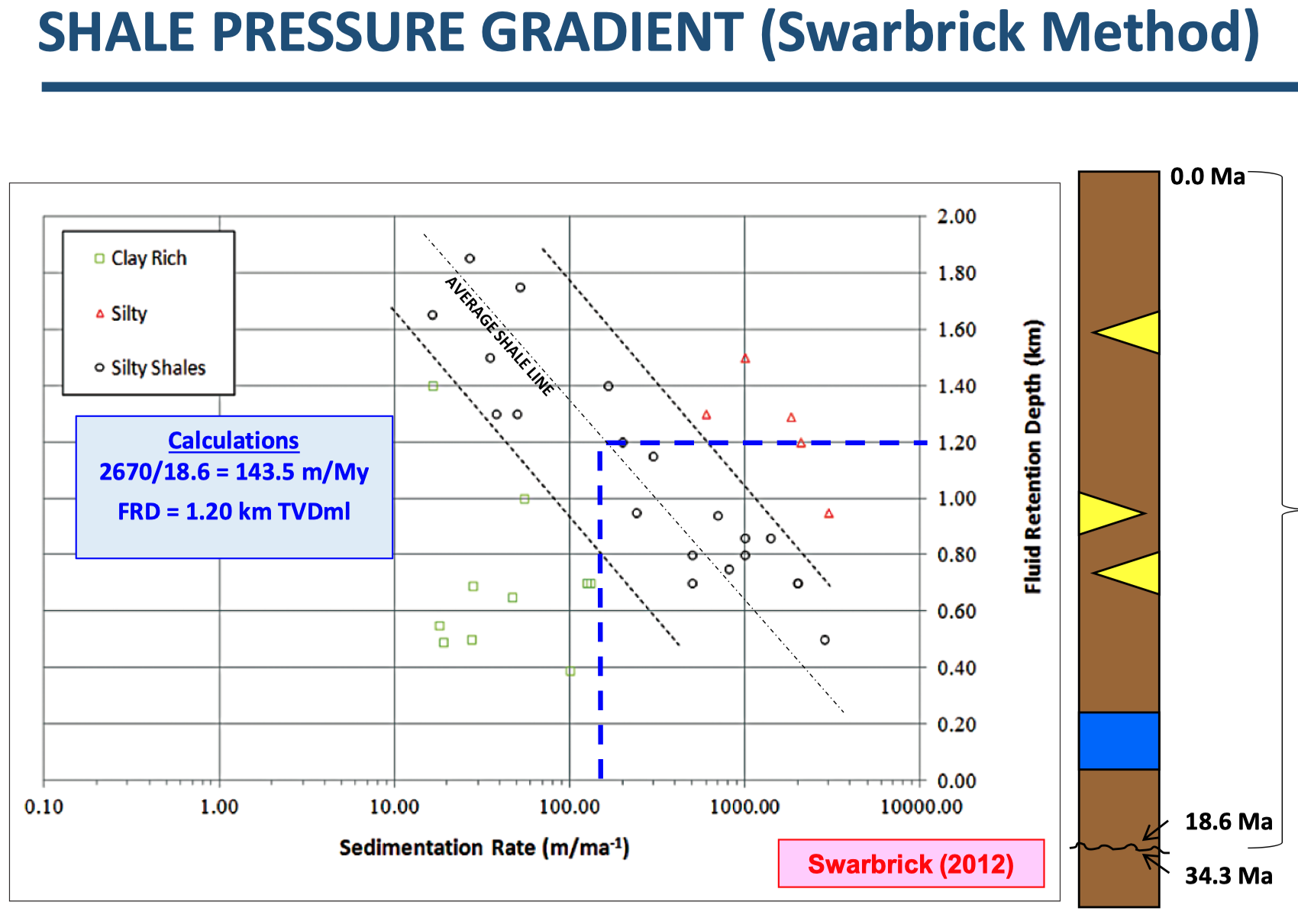
The course begins by showing the types and reliability of subsurface data used to inform current knowledge, which will also calibrate PP and FG predictions at a remote location. Standard approaches to PP and FG prediction techniques are taught, with careful attention to where these have limitations on account of subsurface environment (thermal, tectonic) and data quality. A new approach to PP prediction using shales is taught as an independent guide to expected PP, especially valuable where only seismic data are available. Prediction of FG is taught by showing how to determine overburden stress and apply standard relationships, including new approaches with PP-stress coupling.

Duration and Logistics

Classroom version: A 2-day classroom course comprising a mix of lectures and discussion (90%) and exercises (10%). The manual will be provided in digital format, and participants will be required to bring a laptop or tablet computer to follow the lectures and exercises.

Virtual version: Four 3.5-hour interactive online sessions presented over 2 to 4 days. A digital manual and exercise materials will be distributed to participants before the course. Some reading and several exercises are to be completed by participants off-line.

Level and Audience

Intermediate. Intended for exploration and development geoscientists, petrophysicists, operations staff and drilling engineers. Familiarity with oilfield data and drilling practices is required. Experience shows that mixed classes of geoscientists and engineers benefit particularly from the discussions and sharing of approaches in this multi-disciplinary area of work.

Objectives

You will learn to:

  1. Distinguish the different types and quality of data that populate pressure-depth and EMW-depth plots for display of pressure predictions and calibration data in well planning.
  2. Use best practice to create PP estimations and predictions from seismic, log and drilling data using standard porosity-based techniques, and from modelling geological systems.
  3. Use best practice to create FG estimations and predictions by generating an overburden and establishing its relationship with FG and PP.
  4. Communicate Min-Expected-Max predictions effectively to both geoscience and engineering/operations staff involved in well planning.

Structural Styles and Fault Characterization in Exploration and Production, Moab, Utah (G078)

Tutor(s)

Russell Davies: Director, Redlands Fault Geological Consulting LLC.

Overview

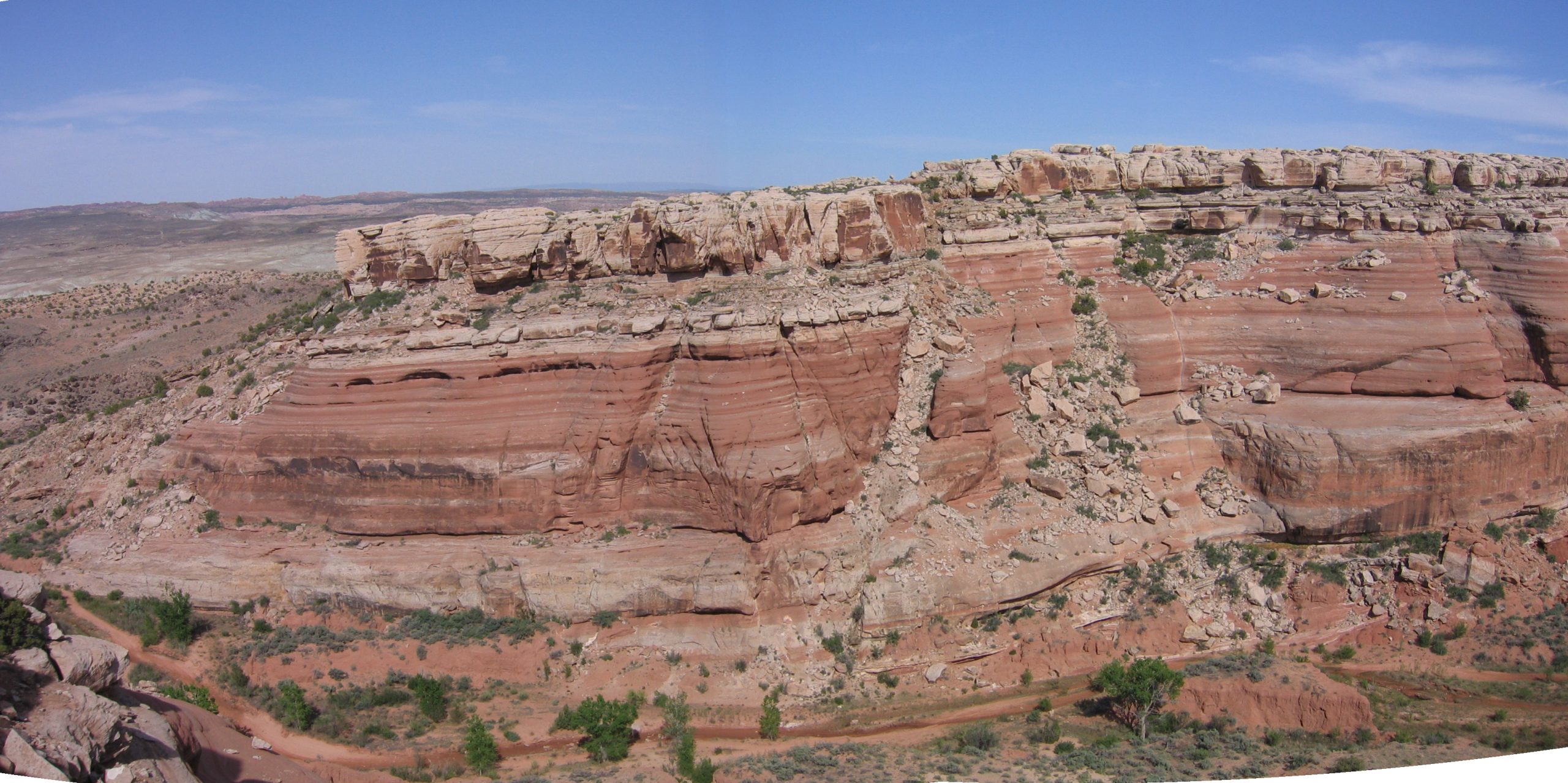
This field course utilizes outstanding exposures of faults, fault rocks and stratigraphy in Colorado and Utah to examine seismic and subseismic scale fault geometries, fault zone architecture and controls on cross-fault flow. The aim of the course is to improve the understanding of uncertainties in the mapping of complex fault zones and the processes that create potential seals and compartmentalization in reservoirs in the subsurface for oil and gas, as well as CO2. Field exercises complement classroom lectures on the interpretation of faults, seal assessment and associated risks. Group exercises are included as prospect interpretation of compartmentalization from outcrop exposures.

Duration and Logistics

A 7-day field course with a mixture of outcrop examination and discussion (70%) and supporting classroom lectures (30%). Exercises on the outcrop are designed to apply common methodologies for fault seal analysis with observed fault zone characteristics.

Level and Audience

Intermediate. This course is suitable for geologists, geophysicists and reservoir engineers engaged in the interpretation of faults and the assessment of fault seal in reservoirs for exploration, development and CO2 containment.

Exertion Level

The field component of this course requires a MODERATE exertion level. There will be some short hikes to outcrops (no more than 3.5 miles / 5.6km round trip), some over uneven and rocky ground with some short, steep inclines no greater than 700 feet (200 meters). The climate in southern Utah during the spring and fall is variable with temperatures from 50°F (10°C) to hot and dry up to 100°F (38°C). The elevation is between 4,000 and 5,000 feet (1200 to 1500 meters).

Objectives

You will learn to:

  1. Describe the regional geologic framework of the field area, the main stratigraphic units and the principal structural features.
  2. Characterize the mechanisms of faulting, fault propagation and the controls on the size, distribution and population of normal faults.
  3. Observe deformation and faults in outcrop to constrain likely structural and fault geometries in the subsurface.
  4. Characterize common trapping mechanisms and seal potential of fault rocks.
  5. Examine and assess fault rock properties and evidence of fluid flow at outcrop scale to better understand subsurface flow in reservoir and fault rocks.
  6. Establish trap and seal controls.
  7. Perform juxtaposition analysis and fault rock distribution mapping (SGR and CSF / SSF).
  8. Employ and interpret triangle diagrams.
  9. Understand key simulation techniques and modelling of faults.

Geologic Carbon Storage for Geoscientists and Engineers (G551)

Tutor(s)

Alex Bump: Research Science Associate, University of Texas at Austin.

Seyyed Hosseini: Research Professor, University of Texas at Austin.

Katherine Romanak: Research Scientist, University of Texas at Austin.

Overview

This course empowers attendees to develop and apply their skills to the growing industry of Carbon Capture Utilisation and Storage (CCUS). Attendees will be guided through the lifecycle of a CCUS project with an emphasis on key concepts, processes and workflows of the CCUS industry. Focus will be on developing the geoscience and engineering skills needed to progress a project.

Duration and Logistics

Classroom version: A 3-day course comprising a mix of lectures, case studies and exercises. The manual will be provided in digital format and participants will be required to bring a laptop or tablet computer to follow the lectures and exercises.

Virtual version: Five 4-hour interactive online sessions presented over 5 days.

Level and Audience

Intermediate. The course is intended for petroleum geoscientists, reservoir engineers and first-level leaders looking to adapt their skills to carbon capture and storage.

Objectives

You will learn to:

  1. Outline the regulatory, policy and financial drivers and constraints for CCUS.
  2. Describe the subsurface requirements for a successful storage project, including similarities and differences with oil and gas exploration.
  3. Understand the workflow and perform the key tasks for defining, developing and permitting a CCUS project, including site selection, characterisation, risk assessment and monitoring for operational and post-operational phases.
  4. Apply your subsurface knowledge and skills in oil and gas development to the concepts, processes and workflows of the CCUS industry.
  5. Estimate CO2 storage capacity in saline aquifers at reservoir and basin-scales.

Sequence Stratigraphy and its expression on Seismic, Logs and Cores (G001)

Tutor(s)

Rene Jonk: Director, ACT-Geo Consulting and Training; Honorary Professor, University of Aberdeen.

Overview

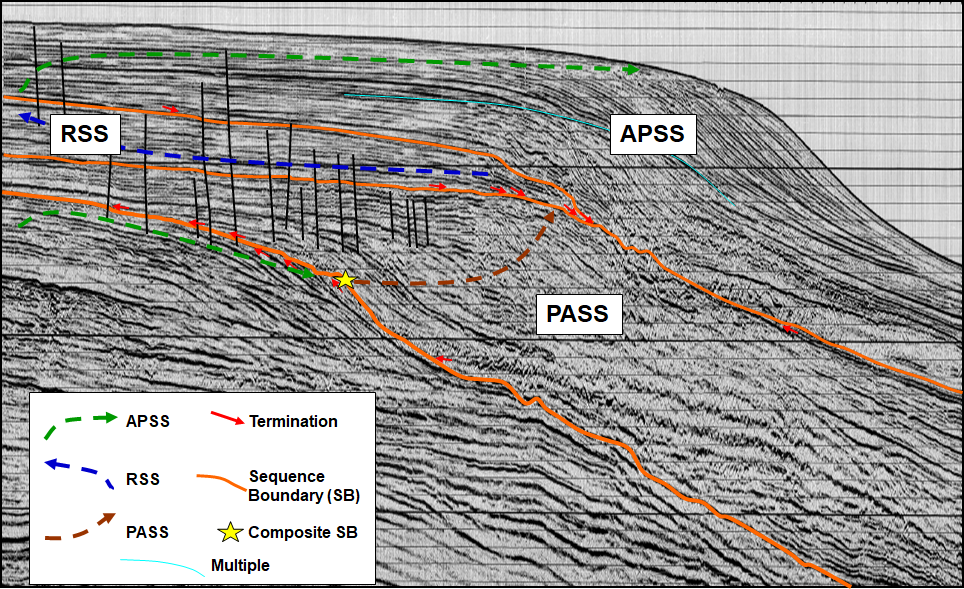
The application of sequence stratigraphy allows for making geologic interpretations of cores, well logs, seismic and outcrop data within a predictive stratigraphic framework. These predictions can be applied to play and prospect definition and evaluation, pre-drill predictions and discovery appraisal and field development strategies. This course introduces the sequence stratigraphic method and presents workflows and tools to describe, correlate and map strata within a predictive framework using typical subsurface (core, well log and seismic) data. The terminology of surfaces, systems tracts, sequence sets and stratigraphic hierarchy will be described and applied to subsurface data exercises in terrestrial, shallow marine and deep marine depositional settings across clastic and carbonate settings and applied to conventional and unconventional play types. The emphasis will be on the recognition and mapping of play elements (source, seal, reservoir and trap) from exploration to production scales.

Duration and Logistics

Classroom version: A 4-day course comprising a mix of classroom lectures and discussion (50%), and hands-on exercises with subsurface datasets (50%). The lecture materials will be provided in digital format and participants will be required to bring a laptop or tablet computer to follow the lectures and exercises. Exercises manuals will be printed for each student to enhance learning by interpreting using pencil on paper.

Virtual version: Ten 3-hour interactive online sessions presented over 5 days. A digital manual and hard-copy exercise materials will be distributed to participants before the course. Some reading and several exercises are to be completed by participants off-line.

Level and Audience

Intermediate. This course is intended for geoscientists (reservoir modellers, seismic interpreters, sedimentologists), reservoir engineers and petrophysicists who want to understand and apply the concepts of sequence stratigraphy to solve business problems.

Objectives

You will learn to:

  1. Understand the sequence stratigraphic method, terminology and application.
  2. Contrast the various approaches to sequence stratigraphy.
  3. Apply the concept of facies, facies stacking and shoreline trajectories to define sequences, surfaces and system tracts.
  4. Evaluate depositional controls on sequences in non-terrestrial, shallow marine and deep marine environments.
  5. Assess and interpret cores, well logs and seismic lines to characterize and map hydrocarbon play elements in different settings using the sequence stratigraphic method.
  6. Implement sequence stratigraphic methods to predict play element presence, adequacy and risk from seismic data for exploration play and prospect definition.
  7. Apply sequence stratigraphic frameworks to evaluate connectivity in discovery appraisal and field development.
  8. Apply sequence stratigraphic methods to define seal adequacy for subtle and stratigraphic traps in various depositional settings.