


Tutor(s)
Paul Wright: Independent Consultant.
Overview
The pre-salt “microbialite” reservoirs of offshore Brazil and West Africa (such as the Barra Velha Fm of Santos Basin) are highly problematic reservoirs. While there are no modern or ancient analogs for the Barra Velha and its equivalents, the modern rift basin lakes in western U.S. can be used to demonstrate a range of issues relevant to understanding the reservoirs. This course combines field visits with classroom lectures and core examination, and throughout the course comparisons will be made with the pre-salt reservoirs from the South Atlantic to provide a forum for discussion to aid understanding of these reservoirs.
The manual will be provided in digital format and you will be required to bring a laptop or tablet computer to the course.
Duration and Logistics
6 days; a mix of field stops (70%), classroom lectures (15%) and core examination (15%).
The course begins in Salt Lake City, Utah, and ends in Reno, Nevada.
Exertion Level
This class requires an EASY exertion level. The longest walk on the class is approximately 3.2km (2 miles) over fairly flat topography. Outcrops are at elevations of 1200–2000m (4000–6500 ft). Weather conditions in northern Utah and eastern California can vary from cool and dry, to hot and dry, with a late spring and early fall temperature range of 5–27°C (40–80°F). Transport will be in a bus or SUVs on black-top roads.
Level and Audience
Advanced. The course will be of particular interest to individuals evaluating the pre-salt of Brazil and West Africa but will also appeal to geoscientists who wish to expand their knowledge of non-marine reservoirs. A basic familiarity with carbonates depositional systems is assumed.
Objectives
You will learn to:
- Examine a range of classical carbonate facies in core, including core from an active microbialite reservoir in the US.
- Examine the scale relationship of carbonate deposition in the field across a series of half grabens using the Great Salt Lake, Utah, as an example.
- Examine an active petroleum system associated with volcanic-related rift activity and lacustrine carbonates.
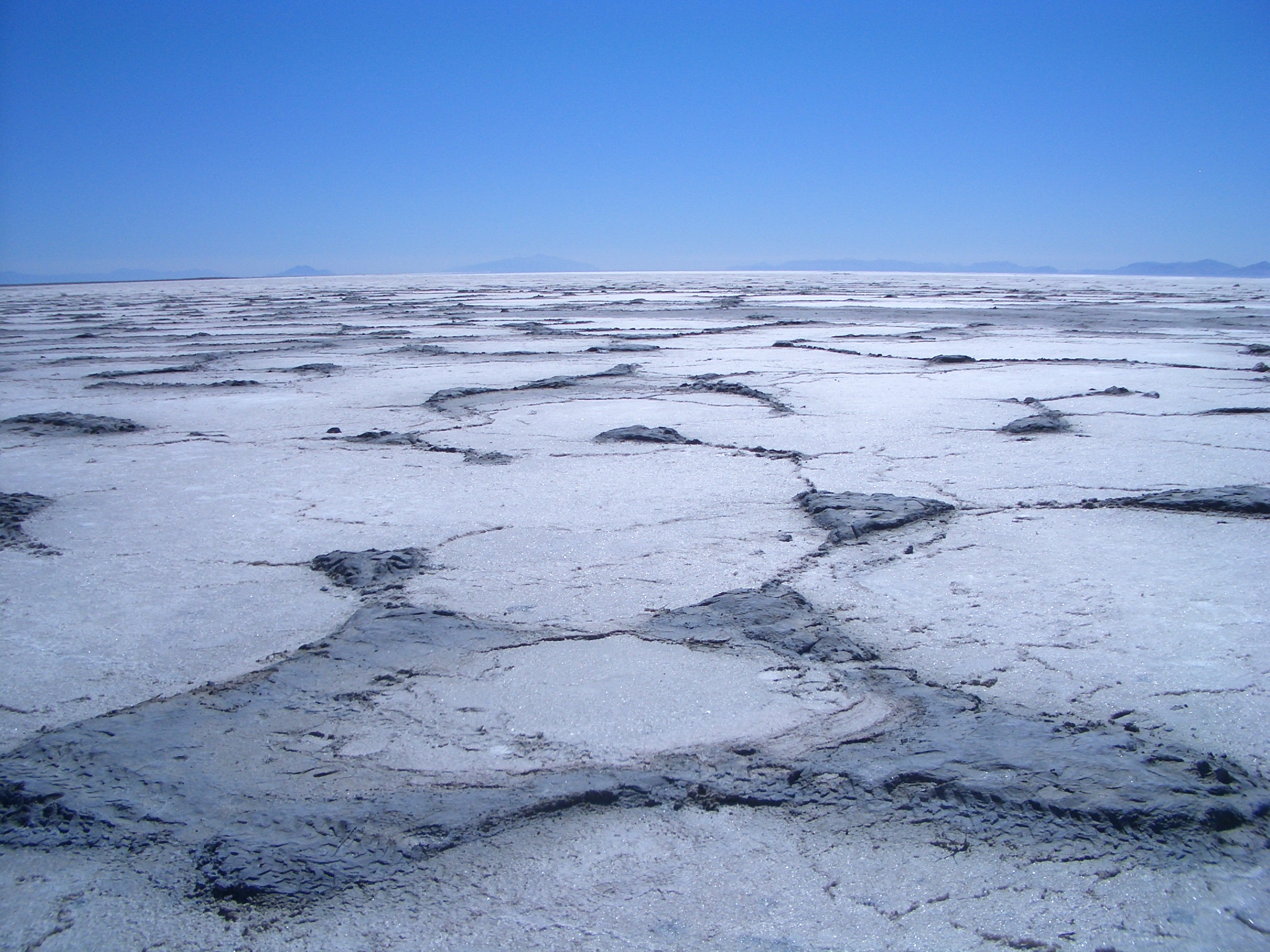
- Examine many of the key elements of the carbonate facies encountered in arid saline lakes (microbialites, oolites, salt pans, travertines and large spit complexes) including the subtle influence of small faults on facies distribution.
- Examine seismic-scale carbonate build-ups associated with faults in an alkaline lake (Pyramid Lake, Nevada), including how sub-lacustrine fault-controlled fluid flows generate large build-ups and the effects of subaerial exposure on such build-ups.
- Examine the complex facies architecture of vent-fed sub-lacustrine carbonate systems.
- Examine the range of facies associated with vent-fed ridge travertines and evaluate whether such systems can be used as analogs for some pre-salt reservoirs, using outcrops near Bridgeport, California.
- Examine carbonate deposition in a highly alkaline lake, Mono Lake in California, very closely associated with volcanic cones, emphasizing the role of volcanic activity in rift basins.