World-class training for the modern energy industry

Meet the Expert: 5 Minutes with Howard Feldman

We sat down with Howard Feldman ahead of his upcoming GeoLogica course: Introduction to Clastic Facies

What’s your field and specialisation?

My PhD was originally in palaeontology, but I spent decades in the petroleum industry where I specialized in stratigraphy, a little bit in carbonates, but mainly siliciclastic stratigraphy, siliciclastic facies and sedimentology.

Tell us a bit about your teaching journey.

I’ve been teaching since I was in grad school in the 80s, so you know, that kind of dates me! I taught for a year at Clemson University in South Carolina, then occasionally at the Kansas survey, but when I got to Exxon, they just threw me into teaching since I was an experienced hire. I taught many classroom and field courses at Exxon every year for 26 years. I can’t even tell you how many I taught.

I really like the Exxon approach to teaching: you’d give a presentation or lecture, then present a data set to work as an exercise to emphasize the direct business application of those concepts. I think that approach to teaching is particularly valuable, so that’s the way I teach now.

What is your favourite memory from fieldwork or field training?
Well, I have a strong memory of my very last bit of fieldwork before I left the Kansas survey. I was just learning the first principles of sequence stratigraphy and what incised valleys were. There was an outcrop that I’d been to a couple times with one of my colleagues – it was just a metre-thick marine shale. I was also working in the subsurface in that area and I was using the principles of sequence stratigraphy to show that there were limestone beds that were truncated by sandstone-filled incised valley. I called up my colleague and told him that we needed to go back to the outcrop because there had to be a soil there – the valley interfluve should have a soil or some evidence of subaerial exposure. He really laid into me because we had already been to the outcrop and it had been a pretty hellacious outcrop to get to. It was also the middle of August in Kansas so it was very hot. I told him I was going anyway, and he came along not wanting me to go alone. It was a long slog down the middle of the stream through lots of brush and stuff, and we turned the corner and looked at the outcrop and we both immediately saw the paleosol! The lesson there is that you don’t see things that you’re not looking for. The more models you have in your mind and the more open you are to alternative interpretations, the better you’re going to be at making observations. It’s really important to continue to read the literature, and continue to learn new models because they suggest observations you might not have thought to make.

Describing core, which is one of my specialties, isn’t just about a methodical engineering-type approach. To record the sedimentary structures you have to have an open mind. You have to be open to seeing things and to making observations that you might not otherwise have thought to make. And, as you describe core, you should constantly be testing alternative models of what you think is the depositional and stratigraphic architecture and how can you use that to make a prediction of what you should see next. But to do that, you have to have in your mind a vast toolkit of depositional and stratigraphic models, and the larger that toolkit is, the better you’ll be at your job.

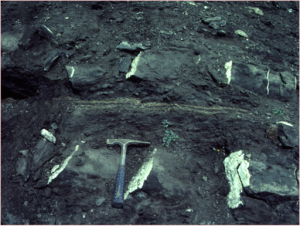
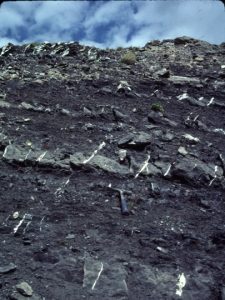
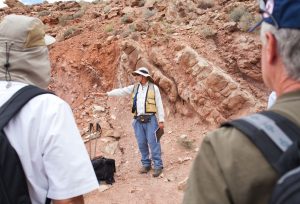
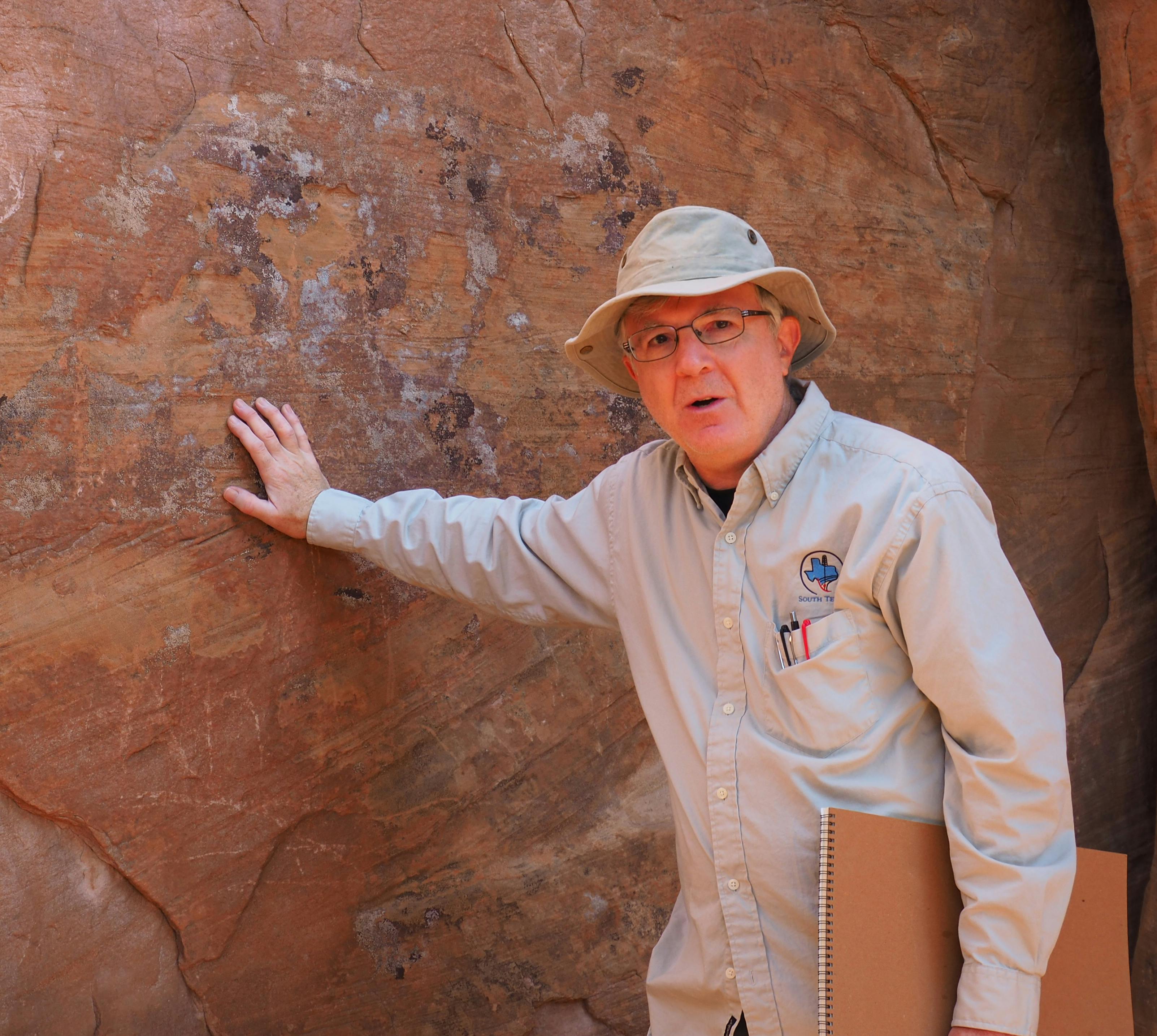
One of Howard's favourite outcrops: An incision in the Castlegate Sandstone in Tusher Canyon, Utah

(Image: One of Howard’s favourite outcrops – An incision in the Castlegate Sandstone in Tusher Canyon, Utah)


Tell us about your upcoming course with GeoLogica – what is it about and who is it for?
My course is for any geoscientist or engineer who needs to know something about clastic facies and the implications for reservoir architecture. I start from a very basic level, assuming essentially no knowledge about how clastic facies work. From that basic level, we move on pretty quickly into how you can make observations and subsurface predictions.

The course focuses on making observations in core, so I go through all the depositional environments, including contourites, and all the standard depositional settings, and we look at a lot of core photos. We’ll progress through all of the different environments with an emphasis on making interpretations from core, and using those interpretations to make predictions about what’s happening in the subsurface.

Tell us a fun fact about yourself that most people don’t know

When I was in grad school, I had a fellowship for my master’s and PhD, but I ran out of funding because it was taking me too long and so I had to get a job. The job I took on was measuring and analyzing kidney stones, and so I’ve measured, analyzed and photographed thousands and thousands of kidney stones!

What is the biggest challenge facing the sector today from your perspective?

I think the biggest challenge today is the global impact of burning hydrocarbons. I think we absolutely need to switch away from petroleum, but I don’t see it happening in the next few decades. There are steps we can take to get us to a transition and one of those steps is being more efficient at finding hydrocarbons that burn cleaner. I think there’s still a place for petroleum but I think we have to have our eyes open about the impact on the world, and we also have to have our eyes open to what the alternatives are and what we can do to solve that problem.

null

What would be your advice to geoscientists who are just starting their careers?

Well, it’s an entirely different economic environment than when I entered the petroleum industry. The environment today from a business perspective and from a world perspective is so different; it’s much more challenging.

But putting that aside, my advice is don’t stop learning. I knew so many people working in petroleum whose depositional or structural models dated back to their last days in grad school. And you know you can’t do that if you want to be good. You need to keep up with the literature, and you need to find a way to discriminate the literature so you know what’s worth looking at. You need to keep learning all the time and keep your mind open to new concepts and new ideas. It’s great to learn new things from new projects – every time you’re in a new project, you learn new things – but you have to do more than that, and there’s just no alternative to reading the literature.

But it is also important to get out into the field and go on field trips. Sometimes even going to the same outcrops but with a new person with new perspectives can open your eyes. There are always new interpretations of classic outcrops. One of my professors used to say that the best geologist is the one who has seen the most rocks, and I think that is absolutely true!

Give us your best/worst geology joke?
So there was a guide at the museum who was taking people through the exhibit on the dinosaurs. And throughout his talk, he kept saying that the dinosaurs died 65 million and two years ago.

At the end I asked him, “Why are you saying 65,000,002 years ago? How can you be so sure?”

He replied, “Well when I got my training I was told the dinosaurs died out 65,000,000 years ago… but that was two years ago!

Introduction to Clastic Facies by Howard Feldman will be running from 30 October – 02 November 2023.

Meet the Expert: 5 Minutes with Richard Jones

We sat down with Richard Jones ahead of his upcoming GeoLogica course: An Introduction to Geospatial Workflows

What is your specialisation?

I’m a structural geologist, though I’ve lectured and run workshops in a number of other things such as programming and artificial intelligence, especially natural language processing and also in geospatial technologies as well.

How long have you been teaching?

I’ve been teaching and consulting in one form or another for the last 30-35 years

Can you recall a favourite memory from the field?

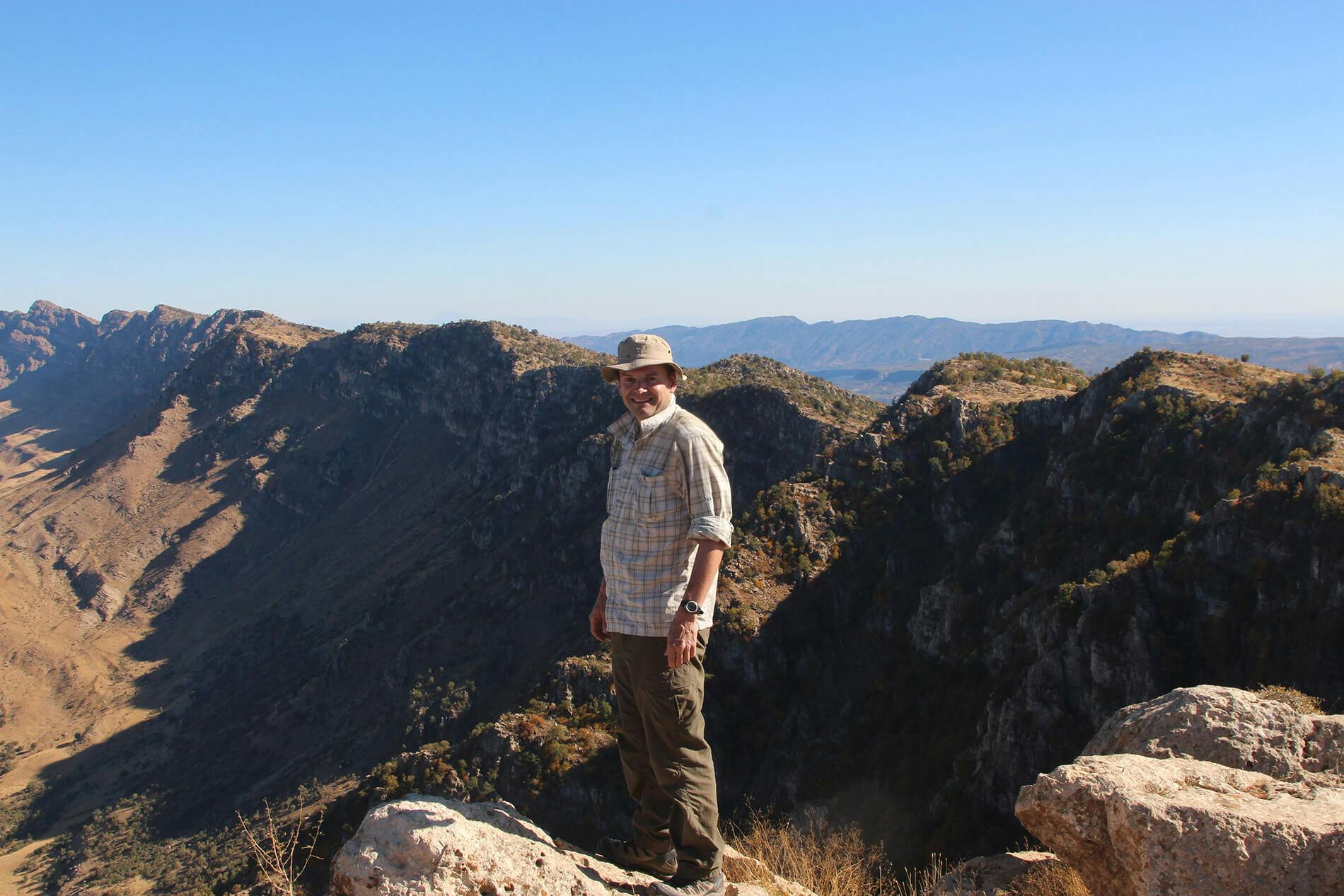
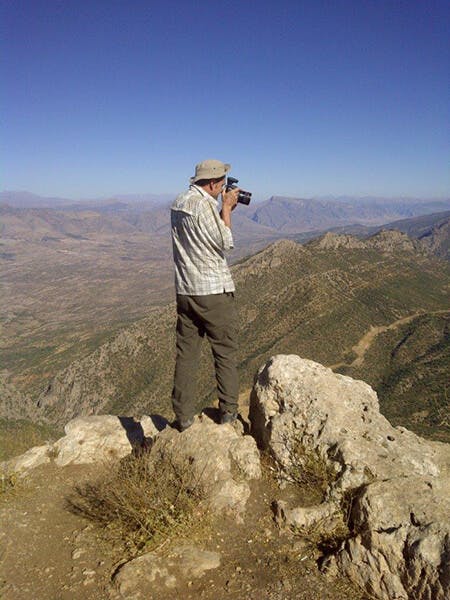
I’ve been to several places which have blown my mind over the years, but to give just one I’ll say the Zagros mountains in North-Eastern Iraq. Staggeringly beautiful scenery and amazing geology. Because the geology is so young, it’s topography- forming. So when you’re standing on top of a mountain in Kurdistan you can see all around you the geology and the structural geology, and the structure is forming the topography. So that’s very special for a structural geologist and it’s very beautiful. I’ve been there for many, many months over a 10-year period and so many times I’ve sort of pinched myself and thought, “my God, I’m being paid for this!”. What a privilege.

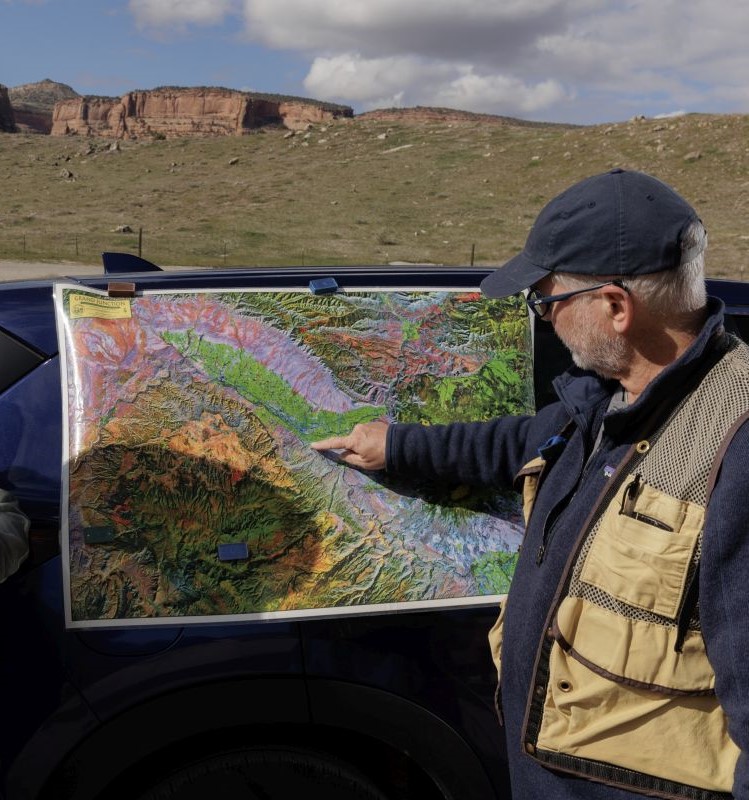
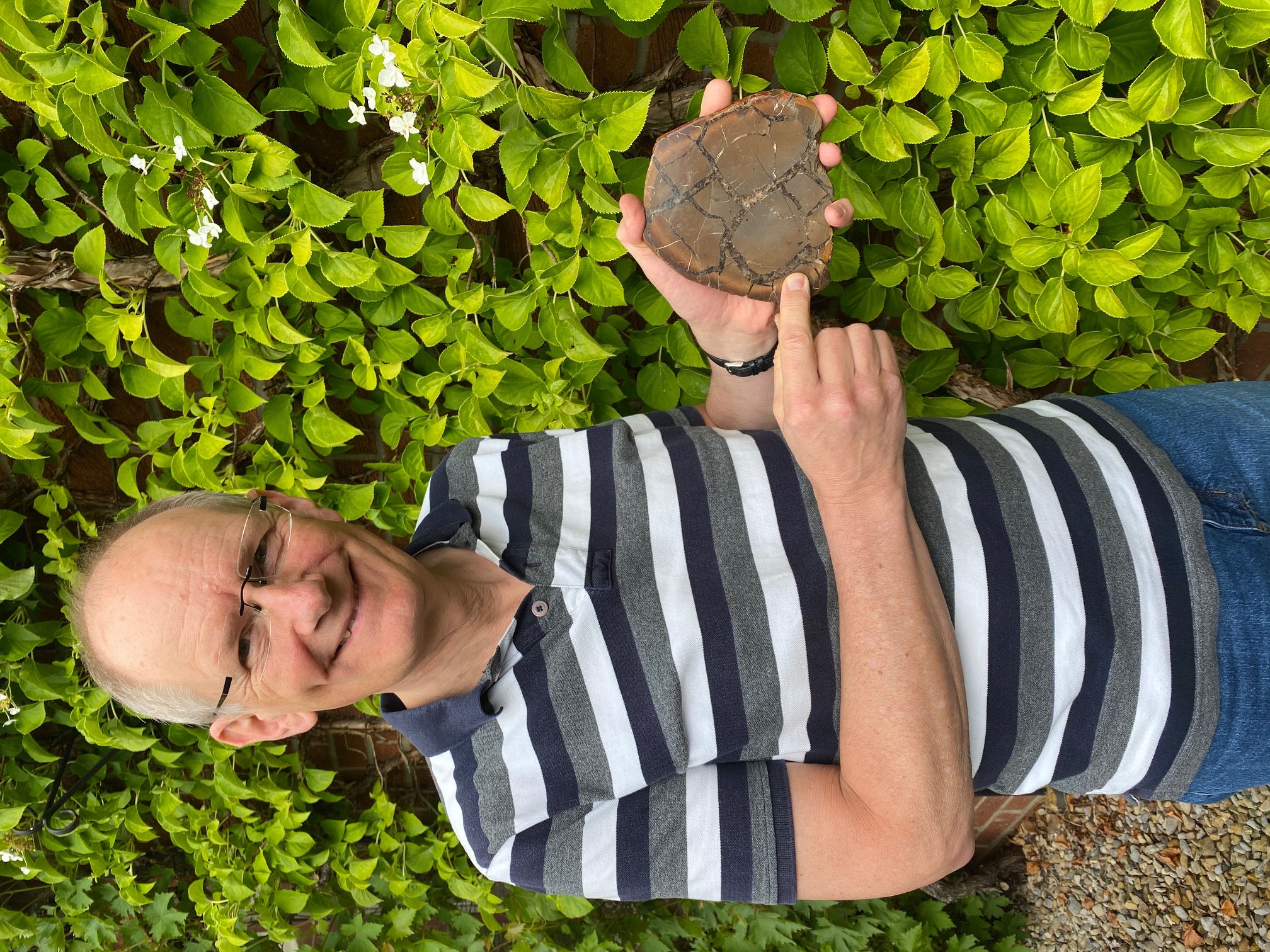
Richard Jones in the Field

Tell us about your upcoming course with GeoLogica. What is it about and who is it for?

So the next one up is E510 – An Introduction to Geospatial Workflows. This is an introductory course for people who would like an overview of Geo-informatics, for people who want or need to use spatial data, particularly in the context of the Geo energy transition. So it’s aimed at both post-grad students soon to go out into the workplace and professional geoscientists who are looking to expand their skill set and learn to use spatial data in spatial workflows.

Tell us a fun fact that most people don’t know about you.

I used to be a very keen runner and orienteer – I’ve run in the World Orienteering Championships and in the World Hill Running Championships.

And…hmm… what would be obscure enough? I’ve been in the winning team for Jukola & Tiomila – the curious can look into what they are!

What would be your advice to junior geoscientists starting their careers?

Oh that’s indulgent – that makes me feel old and important and worldly wise!

H.H. Read said, “The best geologist is the one that’s seen the most rocks.” And of course if you take that literally, it’s not necessarily 100% true, but it conveys a really important message. So “Get up from the computer and go out and see some real rocks” would probably be the best advice I could ever think of.

Don’t let the technology dictate the science. Make sure the technology serves science. That’s another tremendously important one.

And what else…? Just be passionate about geology. Geology’s super important to society – be proud of the role that geology plays in society.

Tell us your best (worst) geology joke.

Q: How fast does a fault move?

A: A Mylonite!

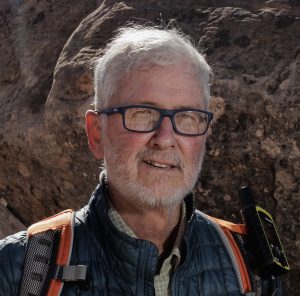
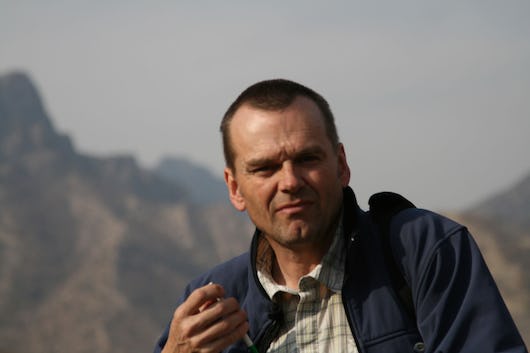
Richard Jones taking a photo in the Field

Richard will be teaching E510 An Introduction to Spatial Workflows from 04 – 06 September 2023.

GeoLogica Ltd appoints Kelly Opre as COO

GeoLogica is delighted to announce the appointment of Kelly Opre as Chief Operating Officer. An experienced business leader, Kelly will fill this newly created position and assume responsibilities immediately.

As a leading provider of world class training for the modern energy industry, GeoLogica is committed to expanding its offer of high-quality training for current and future energy needs in the USA. Kelly will be joining GeoLogica to lead that expanded provision.

“With our plans for business development this is exactly the appointment the company was looking to make,” said Mark Hammond, Chair of GeoLogica. “Kelly will bring a wealth of experience and capability to the role and with her leadership we are confident our offer of world class training will continue to meet the needs of companies today and into the future.”

Kelly was most recently at Hess Corporation, where she held positions in Global New Business Development, Contracts and Negotiations, and Strategic Planning.

Kelly Opre

“I am excited to join the GeoLogica organization,” said Kelly Opre on her appointment. “I believe my skills will complement those of the team and allow GeoLogica to become the leading training provider in the fast-evolving energy landscape.”

Kelly received a Bachelor of Science in Geology from Texas A&M University and a Master of Science in Geoscience from Texas Tech University. She currently serves as Chairman of the Board for the charitable organization Texas Center for the Missing.

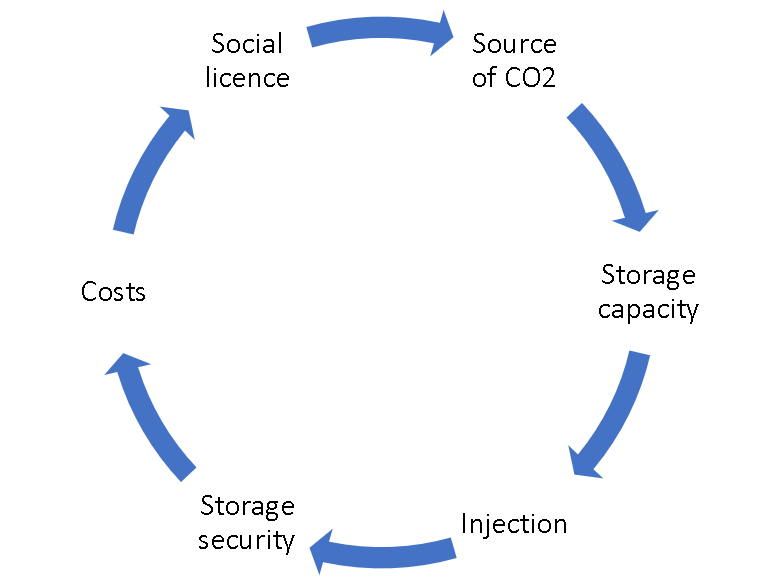
Turning the CCS Project Wheel: Be guided by a GeoLogica training course

With over a dozen courses exploring the likes of CCS plays and reservoir characterisation, reservoir risk analysis, project engineering, business drivers and policy and regulation, GeoLogica has a course suitable for you or your team. 

In addition to our online and classroom events, for 2023 we are also delighted to offer two UK-based field courses that have direct geoscience relevance to UK-based CO2 storage projects in the pipeline.

ccs project wheel

CCS is happening! As I write, CO2 is about to be injected from the Nini platform in the Danish North Sea as part of Project Greensand, the world’s first cross-border offshore CO2 storage project facilitated by INEOS and partners. The NSTA in the UK is primed to award offshore storage licences in early 2023, after receiving interest from nineteen companies in areas off the coast of Aberdeen, Liverpool, Lincolnshire and Teeside. With this clearly defined need, combined with the will and skills to move CCS projects forward, what remains of this decade will undoubtedly see major growth in C02 storage.

At GeoLogica we have been developing a distinct group of courses aimed at up-skilling organisations and individuals who are transitioning to or are already involved with CCS projects. There is clearly more to CCS than storing CO2 underground and our broad spectrum of CCS-focused courses offer a variety of learning opportunities to address the geoscience, economic and social challenges. As with all subsurface projects, the requirement to ‘problem solve’ remains a key driver and stimulus for training within an organisation, in order to equip employees with the necessary skills for success.

For more information on specific upcoming CCS courses, click on the links below:

2-4 May Systems to Classify, Categorise and Report Geological CO2 Storage Capacity with Bob Harrison

11-15 September Geologic Carbon Storage for Geoscientists and Engineers with Alex Bump and Seyyed Hosseini

18-22 September Reservoir Characterisation for Carbon Capture and Underground Storage, Devon and Dorset, UK with Gary Hampson and Matthew Jackson

2-6 October Carbon Capture – Reservoir Storage and Risk Elements: Insights from the Field, NE England with Richard Jones and colleagues

13-17 November Carbon Capture and Storage Masterclass with Richard Worden

4-8 December Subsurface Pressures for Injection of Fluids and Gases with Richard Swarbrick

Reconnecting with Colleagues and Peers: In-person training with GeoLogica for 2023

Online courses remain an important part of the GeoLogica portfolio but, after the last few years of forced isolation, it is exciting to be able to return to the classroom and we are thrilled to announce a number of in-person courses as part of our 2023 scheduled training programme.

With our breadth of experience in the training sector, we know the value of in-person events, both in the classroom and in the field – the collaboration of working as a team and the excitement of meeting new people in the industry.

Field-based training is widely recognised as one of the best methods of learning, as well as providing invaluable team bonding and ideas exchange between peers. The experiential and hands-on nature of field work, coupled with practical exercises and supporting lectures, creates a powerful and stimulating learning environment. In keeping with our desire to create the best learning experiences, GeoLogica has four field classes scheduled in 2023. These include two new and innovative courses that examine how outcrop geology can inform understanding of carbon storage reservoirs.

In addition to these scheduled events, we have a broad portfolio of field courses available and continue to develop new ideas.

Our current scheduled in-person training includes:

Field-based Training:

Sand-rich Turbidite Systems: From Slope to Basin Plain, Pyrenees, Spain: 10–15 September 2023

Reservoir Characterization for Carbon Capture and Underground Storage, Devon and Dorset: 18–22 September 2023

Carbon Capture – Reservoir Storage and Risk Elements: Insights from the Field, NE England: 2–6 October 2023

Reservoir Characterization of Deepwater Systems, San Diego, California: 26 November – 1 December 2023

Classroom-based training:

Workflows for Seismic Reservoir Characterization, London: 9–12 October 2023

Predictive Sequence Stratigraphy, Houston: 23–26 October 2023

Practical Seismic Interpretation, Houston: 13–16 November 2023

All GeoLogica courses can be tailored to an individual company’s requirement, if needed, and we have many possible field and classroom courses in our portfolio.

GeoLogica looks forward to seeing you in person in 2023!

2023 Training Course Dates

Booking is now open on the initial release of GeoLogica’s 2023 scheduled training courses. Our rolling programme of GeoEnergy Transition and Subsurface courses will continue to be updated as the weeks and months progress but, in the meantime, make the most of the Early Bird prices. We’ll be honouring our 2022 prices until 31 January 2023.

All of us at GeoLogica are proud to be at the forefront of geoscience training in the  GeoEnergy Transition field and we have a number of new courses on offer for next year. Our courses continue to reflect the critical importance of a rapid shift to a lower carbon economy. Whether you are a geoscientist or lay person, from a financial institution or an energy company, we have training suitable for you.

In addition to our scheduled programme, GeoLogica can run exclusive, customised, online, classroom and field training courses for your team, delivering learning objectives that are relevant to your specific business requirements. Please contact us for more information.

We look forward to welcoming you onto one of our training courses next year.

Mining for Wind

Britain is once again scaling-up its ambitions for harnessing the power of the wind.

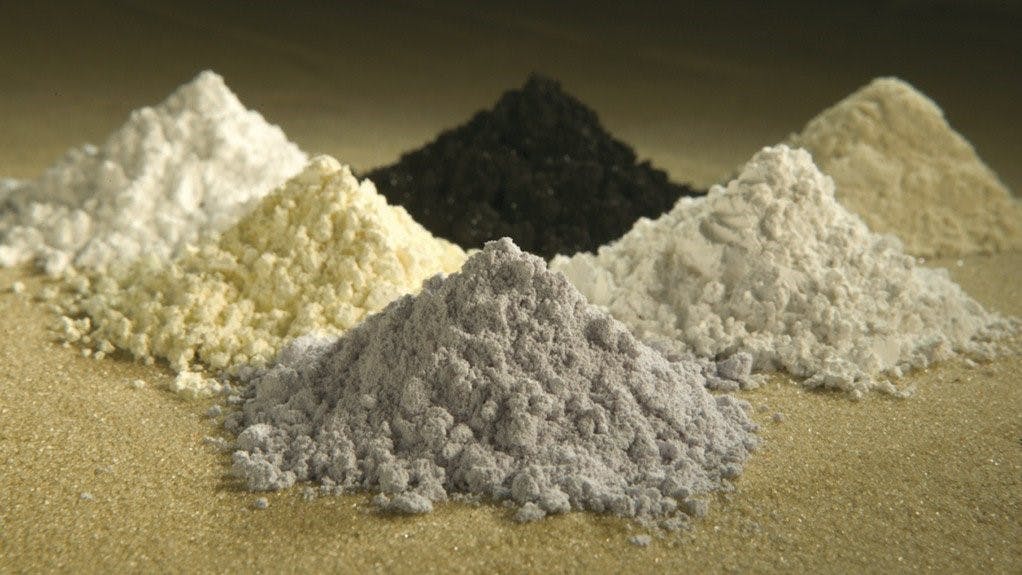
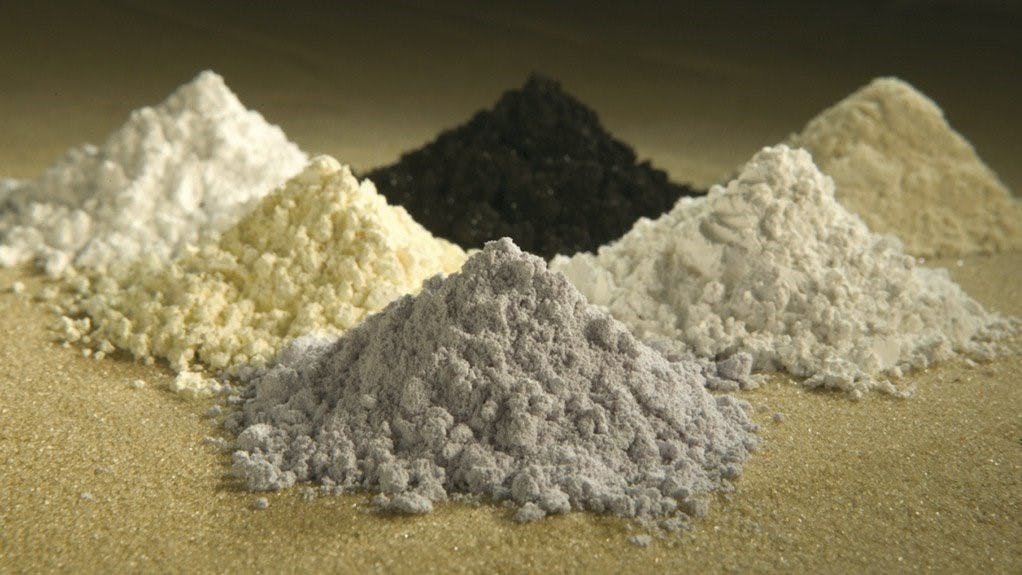
Each direct-drive wind turbine requires a considerable quantity of rare earth elements (REE), used primarily in the manufacture of permanent magnets, including neodymium, praseodymium and dysprosium. Wind turbines are praised for their relatively low environmental impact, however, many are not aware of the large-scale extraction and processing of REE required. While they are quite abundant, REE are predominantly found in low concentrations, so in addition to the considerable cost of acquiring them, there has been growing unease over the UK’s ability to ensure their supply. Currently, the principal source of REE is China. However, the western world is undergoing a rare earth revolution, as countries hastily attempt to establish independent and responsibly sourced supply chains, from new suppliers such as Australia, Canada and Vietnam.

For anyone looking to get involved in this rapidly expanding market, knowledge is key. A selection of GeoLogica’s short courses examine the need for such critical metals, including the geoscience and economic context of REE exploration – find out more here.

rare-earth-unsplash-may-2022

Field Courses with GeoLogica

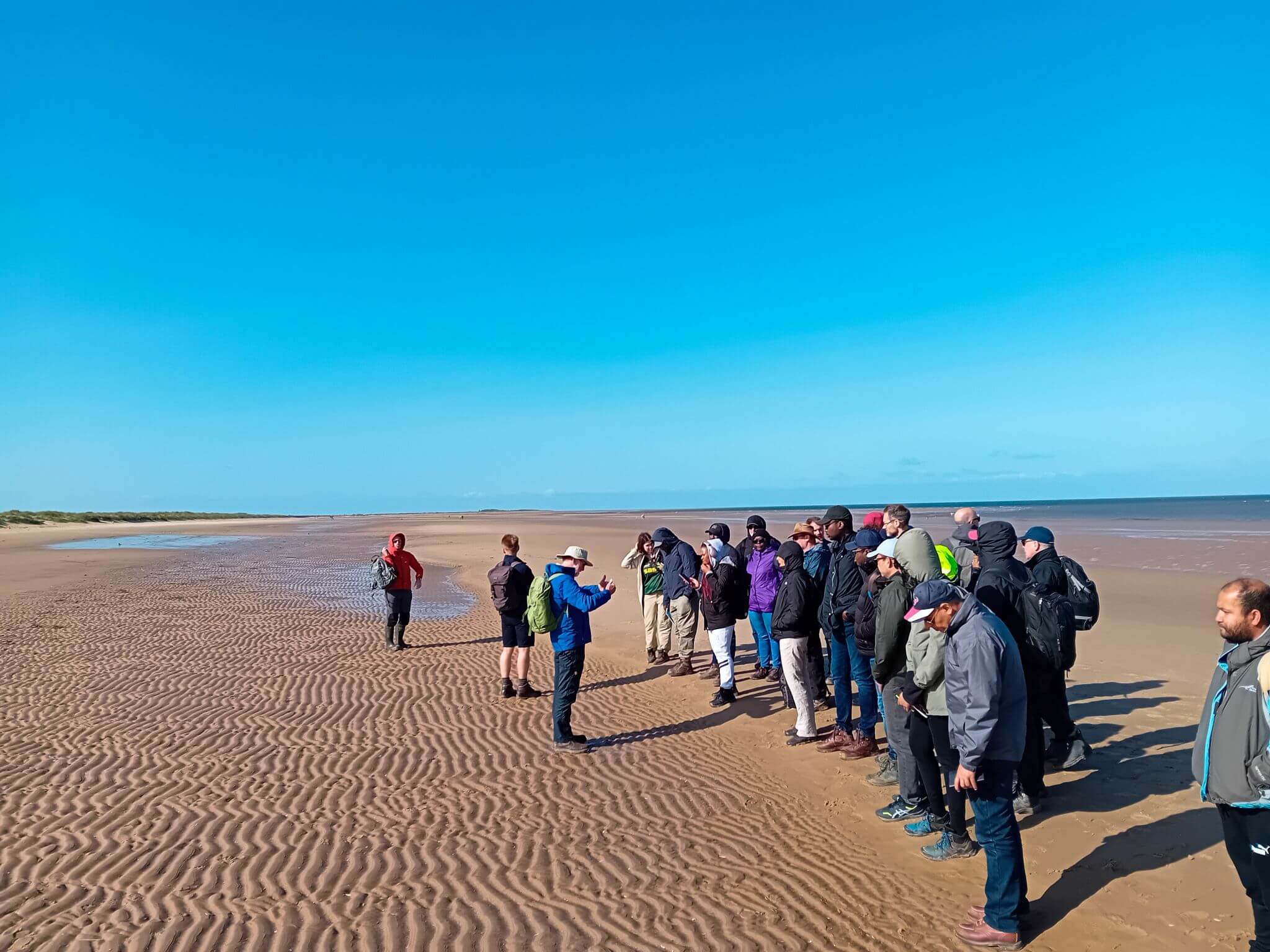
A field course is a unique opportunity to expand your skill set and inspire a team. Typically 4 to 5 days in duration, our residential courses can be delivered in the USA, Europe and elsewhere. Our field courses take place in the most geologically rich locations around the world, allowing you to learn ‘hands-on’ with the most appropriate outcrop analogues. We can tailor a field course to your needs and deliver a bespoke event for your team.

Studies have shown that people learn best through direct observation and experience, interpreting their observations, reflecting on these experiences, then putting the learnings into practice through both exercises and on their return to the workplace.* A well-constructed field course will include all these elements (with the exception of application in the workplace). While ‘virtual field trips’ can address direct observation to a degree, the experience of seeing and examining a section of rock outcrop physically (with the accompanying sensory stimuli of the environment, weather conditions, personal interaction and discussion) cannot be replicated. These rather nebulous aspects contribute fundamentally to the learning experience and consolidate the learning experience in ways that classroom-based learning does not.

At GeoLogica, we have the personnel and experience to conduct field training to the highest safety standards. When combined with our world-leading tutors and full logistics support, the results are a world-class learning experience for your team, all delivered at a competitive price.

Examples from the USA:

Clastic Reservoirs; Stratigraphic and Structural Heterogeneities That Impact Reservoir Performance (Colorado and Utah)

Interpretation and Analysis of Normal Fault Systems for Trap Analysis and Reservoir Management (Utah)

Salt Tectonics and Coeval Sedimentation (Utah)

Reservoir Geology for Non-Geologists (Colorado and Utah)

Examples from the UK and Europe

Carbon Capture – Reservoir Storage and Risk Elements: Insights from the Field (NE England, UK)

Reservoir Characterisation for the Energy Transition (Devon and Dorset, UK)

Lessons from Energy Transitions: Future Integrated Solutions that Sustain Nature and Local Communities (NE England, UK)

Sand-rich Turbidite Systems: From Slope to Basin Plain, Pyrenees (Spain)

* This is widely documented. For example: Field Trips and the Experiential Learning Cycle (and references therein), Marc J. Stern, Robert B. Powell; and Journal of Interpretation Research Volume: 25, Issue: 1, pages: 46-50

It’s All in the Data

Geologica are delighted to announce a new training course for 2022 – Essential Data Science for Subsurface Geoscientists and Engineers to be taught by David Psaila.

Interest in data science and machine learning is rapidly expanding, offering the promise of increased efficiency in E&P and holding the potential to analyse and extract value from vast amounts of under-utilised legacy data.

This course builds on public datasets, code examples written in Python, statistical graphics and algorithms from popular data science packages to provide a practical introduction to the subject and its application in the E&P domain.

This is an introductory level course and no specialist knowledge of statistics, coding or machine learning is required. Participants will learn the tradecraft of data import and manipulation, data visualisation, exploratory data analysis and building predictive models from data. You’ll gain a powerful working environment for data science on your own computer, which together with code examples provided by the course, will give you a jump start to applying the techniques you’ll learn to your own projects.

For further information on the course contents and to book a place, please follow the link here.

A new training course to get the most from your data!

What is happening to the world’s largest ice sheet?

Antarctica contains over 90% of Earth’s glacier ice, with ~58m of sea level equivalent stored in the Antarctic Ice Sheet that covers virtually all of the continent.

Over the last few decades, mass loss from Antarctica (via iceberg calving and melting) has exceeded mass gains (via snowfall) and its contribution to sea level rise has accelerated. The largest imbalances are found in the West Antarctic Ice Sheet, which holds a sea level equivalent of 5.3m. Recent estimates indicate that it lost over 2,000 gigatonnes of ice between 1992 and 2017, contributing ~6mm to global mean sea level over this time period. Rather than atmospheric warming, mass loss is attributed to warm ocean currents melting the underside of its floating portions, causing the ice margins to thin and retreat, and increasing the discharge (flow) of ice into the ocean.

The vulnerability of the West Antarctic Ice Sheet was recognised by scientists as early as the 1970s, prompting much research that continues unabated. In comparison, much less work has focussed on the vulnerability of the East Antarctic Ice Sheet, which is somewhat surprising given that it is ten times larger than West Antarctica and contains a massive 52.2m of sea level equivalent. Its perceived stability perhaps stems from the fact that we know large parts of it have persisted for at least 30 million years, since widespread glaciation of Antarctica in the Oligocene. We also know that parts of it can actually gain mass in a warmer climate, due to enhanced snowfall from a warmer atmosphere. Indeed, some early numerical modelling simulations suggested it was likely to grow under climate warming not exceeding ~5°C above pre-industrial temperatures.

Although the East Antarctic Ice Sheet continues to be viewed as more stable than the West, recent observations are beginning to challenge this paradigm. The latest efforts to measure its mass balance have raised the possibility of overall mass loss since ~2014 but, due to its sheer size, the measurement uncertainties are much larger than for the West Antarctic Ice Sheet. Different methods sometimes give different answers as to whether the ice sheet is even gaining or losing mass.

Importantly, however, nearly all studies detect a clear signal of loss in one particular region of East Antarctica, known as Wilkes Land, bordering the Indian Ocean. This is particularly concerning because the ice sheet in Wilkes Land sits over a deep subglacial basin (where the ice is up to 4.5km) that alone contains 3.5m of sea level equivalent. Moreover, recent measurements show that warm waters appear to be affecting the outlet glaciers in Wilkes Land in a similar manner to West Antarctica, with evidence that the ice sheet is thinning and that glaciers are retreating and contributing to sea level rise. Of further concern is that there is a growing body of evidence that these same glaciers retreated during past warm periods, such as the mid-Pliocene, around 3.2 million years ago, and possibly during some warm interglacials of the Quaternary period (last 2.5 million years). Future simulations of the Antarctic Ice Sheet also predict multi-metre sea-level contributions from East Antarctica over the coming centuries, if the Paris Climate Agreement – to limit climate warming to well below 2° C – is not met. There is, therefore, an urgent need to answer the question in the title – what is happening to the world’s largest ice sheet – for the benefit of both science and society.

GeoLogica Tutor News – Prof Chris Stokes

Over the last decade, Chris has been leading a research group based at Durham University and specifically targeted at improving our understanding of the response of the East Antarctic Ice Sheet to future warming.

One of their first papers on this topic was published in the prestigious journal Nature and demonstrated that East Antarctic outlet glaciers were far more sensitive to ocean-climate forcing than previously thought: https://www.nature.com/articles/nature12382

More recent work used over 5 million km2 of high-resolution satellite imagery to detect a record 65,000 meltwater lakes on the East Antarctic Ice Sheet, attracting considerable media attention and suggesting that the floating parts of the ice sheet may be highly sensitive to future atmospheric warming: https://www.nature.com/articles/s41598-019-50343-5

You can find out more about climate change and the impacts of global warming on glaciers and the oceans on Chris’s course entitled E523: Ocean and Cryosphere Responses to a Changing Climate: Past, Present and Future