Tutor(s)
Andrew Horbury: Director, Cambridge Carbonates.
Overview
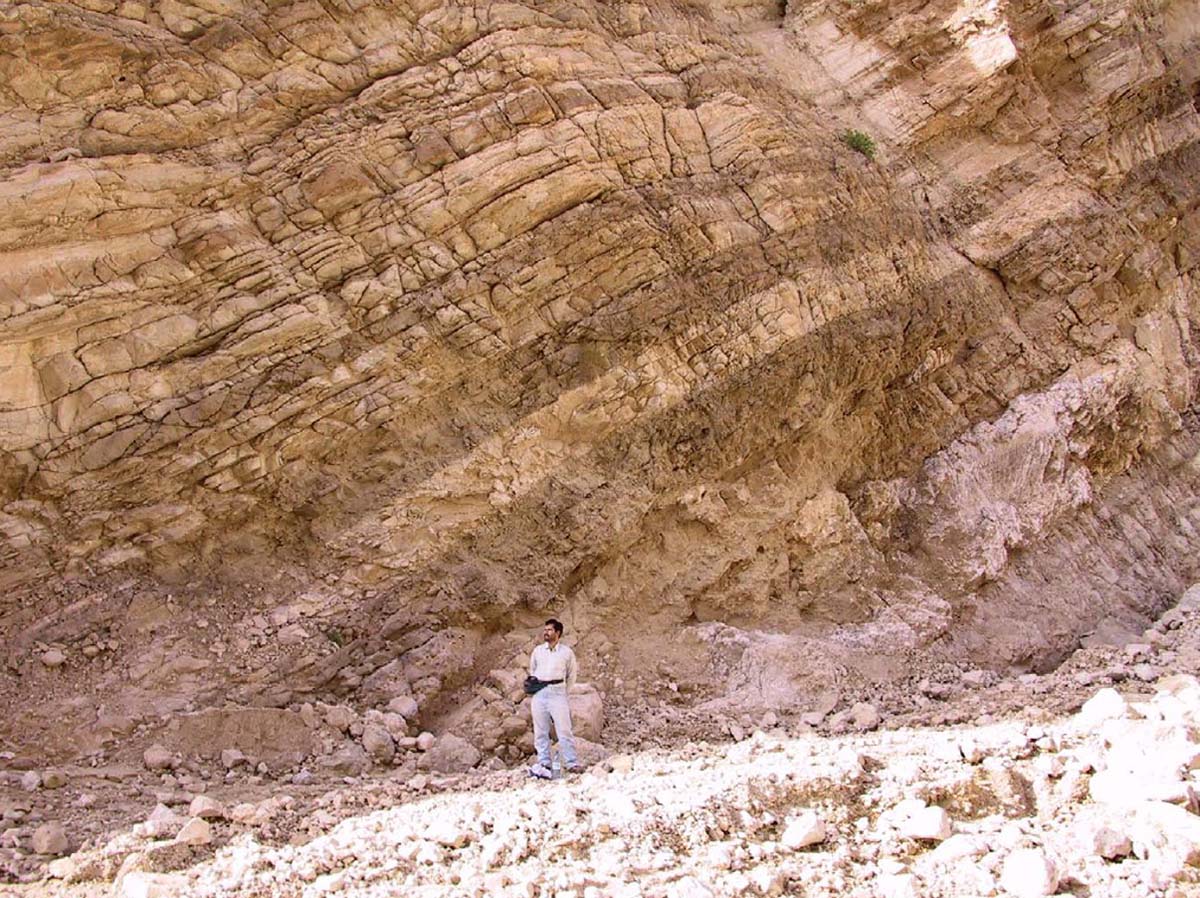
This course explores the palaeogeographic, tectonic and sedimentological development of the Arabian Plate and is divided into seven modules: Cenozoic, Upper Cretaceous, Middle Cretaceous, Lower Cretaceous, Jurassic, Permo-Triassic, Palaeozoic. The individual course modules aim to provide participants with a more regional understanding of their own acreage, which is often critical in development and production settings.
Duration and Logistics
The course can be presented in the classroom or online as a single event, covering all seven stratigraphic modules, or clients can choose the length of course depending on how many modules they require (half-day teaching time per module).
Classroom version: A 3.5-day classroom course comprising a mix of lectures and case studies covering all 7 modules. The manual will be provided in digital format.
Virtual version: Seven, 3.5-hour interactive online sessions presented over 3.5 days. A digital manual will be distributed to participants before the course.
Level and Audience
Fundamental. This course is intended for exploration geoscientists who want to rapidly improve their knowledge of these complex systems.
Objectives
You will learn to:
- Understand plate evolution at a regional scale.
- Appreciate the tectonic controls on sedimentation and stratigraphy.
- Analyse the wide range of proven carbonate reservoirs on a single structural template.
- Define factors associated with good structural and stratigraphic traps.
- Build an understanding of how carbonate source rock systems form.
- Compare and contrast climate controls on different carbonate systems tracts.
- Illustrate the interaction/interplay of clastic and carbonate depositional systems.
Tutor(s)
Rene Jonk: Director, ACT-Geo Consulting and Training; Honorary Professor, University of Aberdeen
Overview
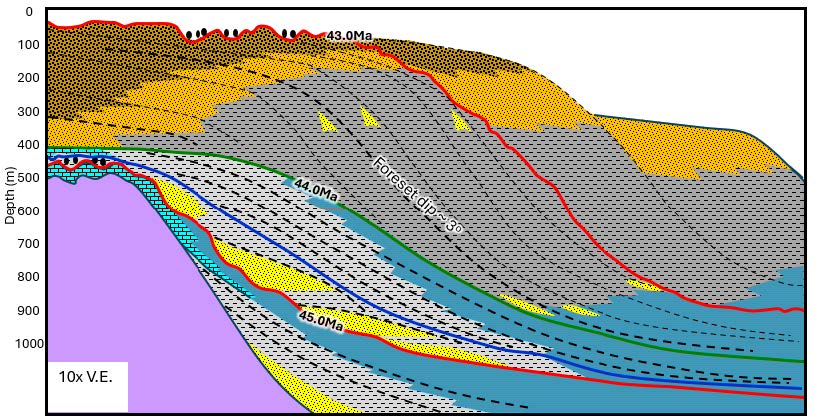
This hands-on course enables attendees to enhance their skills and critical evaluation of all aspects related to pressure, trap and seal evaluation workflows. This includes understanding and predicting fluid pressure, retention of hydrocarbon fluids and column heights, and reservoir connectivity and compartmentalization. Fluid pressure is evaluated from first principles, downhole measurements (mudweights, RFT/MDT data) and estimated from porosity-effective stress relationships. We make estimations of mechanical seal capacity ranges using Leak off Test data and fundamental elastic rock properties. Capillary seal attributes are estimated from core measurements and calibrated against buoyancy pressure estimates from the crests of oil and gas fields. The fundamental techniques developed in the first two days of the course are applied across a variety of case studies in various modules, including aspects of oil versus gas prediction techniques in exploration, reservoir connectivity evaluation in a faulted reservoir and seal risking workflows for stratigraphic traps.
Duration and Logistics
Classroom version: This course can be customized for a 3 or 4-day delivery, depending on which of modules 5, 6, 7 and 8 are of most interest. It is also possible to include client data or problems to substitute classroom exercise time with discussion time on actual client datasets and problems. The mix of classroom lectures and discussion (50%), and hands-on exercises with subsurface datasets (50%) allow for an interactive and deeply applied learning experience. The lecture materials will be provided in digital format. Participants can bring a laptop or tablet computer to follow the lectures and exercises using digital provided formats. Exercise manuals will be printed in 11×17 format for each student to enhance learning by interpreting using pencil on paper.
Level and Audience
Fundamental. This course is intended for early to intermediate-experience career geoscientists (0-10 years experience), reservoir engineers and petrophysicists who want to understand the fundamental controls on prospect and field pressure, trap-seal, connectivity and compartmentalization, including seal risking worflows and pre-drill predictions of fluid type, column height and pressure.
Objectives
You will learn to:
- Describe trap-seal attributes of prospects in a consistent manner (crest, spill points, seal and fault-seal controls).
- Understand the controls on subsurface fluid pressure and the methods used to describe and predict subsurface fluid pressure.
- Describe and quantify mechanical seal capacity of various seal types relative to hydrocarbon liquids and gases using field data, wireline logs and core attributes.
- Describe and quantify capillary seal capacity of various seal types relative to hydrocarbon liquids and gases using field data, wireline logs and core attributes.
- Understand various controls on hydrocarbon-water contact distributions, including fault-seal, hydrodynamic tilting, reservoir quality controls on saturation.
- Make predictions of oil versus gas column heights for multiphase petroleum systems in exploration settings.
- Make predictions of reservoir connectivity and compartmentalization in faulted reservoirs in appraisal and field development settings.
- Use seal risking workflows to high-grade portfolios of stratigraphic trap prospects, including both deep-water and shallow-water clastic settings.
Tutor(s)
Rene Jonk: Director, ACT-Geo Consulting and Training; Honorary Professor, University of Aberdeen
Overview
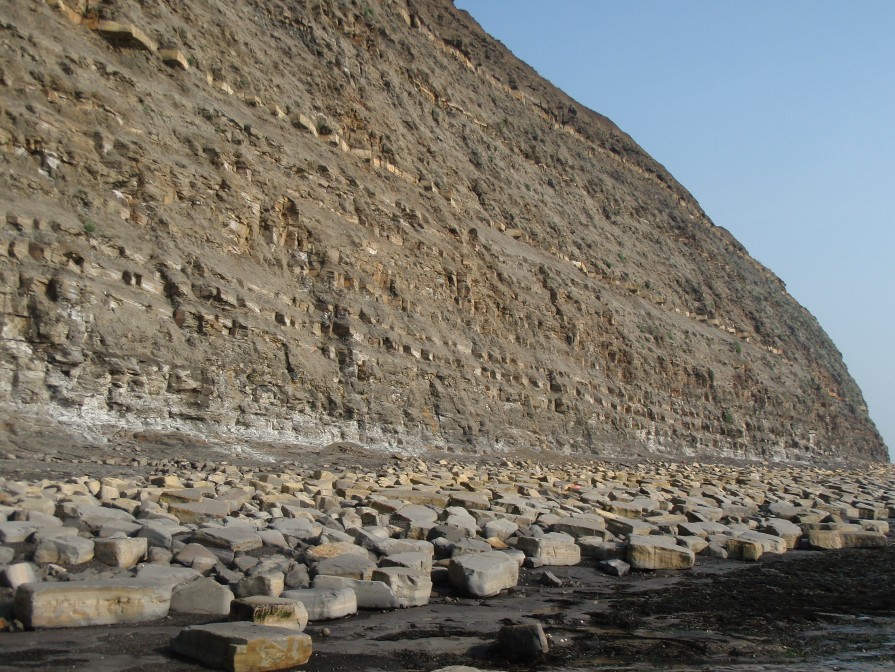
This hands-on course enables attendees to enhance their skills and critically evaluate all aspects of hydrocarbon charge, including source presence, maturation, migration, commodity type and timing. Lectures and exercises focus on characterization and prediction of hydrocarbon charge adequacy using core, well log and seismic data. Global examples, covering a range of basin and depositional settings, will be discussed and used in the exercises.
Duration and Logistics
Classroom version: A 3-day course comprising a mix of classroom lectures and discussion (50%), and hands-on exercises with subsurface datasets (50%). The lecture materials will be provided in digital format and participants will be required to bring a laptop or tablet computer to follow the lectures and exercises. Exercises manuals will be printed for each student to enhance learning by interpreting using pencil on paper.
Level and Audience
Fundamental. This course is intended for geoscientists, reservoir engineers and petrophysicists who want to understand the basic concepts of petroleum systems.
Objectives
You will learn to:
- Characterize source rock presence from cores, well logs and seismic and learn to predict source adequacy and risk from first principles.
- Understand the controls on source rock maturation and describe fundamental controls on maturation and maturation timing using burial history charts.
- Assess the fundamental controls on hydrocarbon migration and apply the principles of primary and secondary migration to predict hydrocarbon charge pathways and risk migration adequacy for plays and prospects.
- Assess commodity implications from source rock type and maturity.