
World-class training for the modern energy industry

Tectonic framework for the Energy Transition: Geothermal and CCS Geological Analogs along the Western North American Continental Margin, California (G583)

Tutors

Zane Jobe: Research Professor, Colorado School of Mines and the Director of the Geology Center of Research Excellence (CoRE).

Andrea Fildani: Professor at University of Naples Federico II


Overview

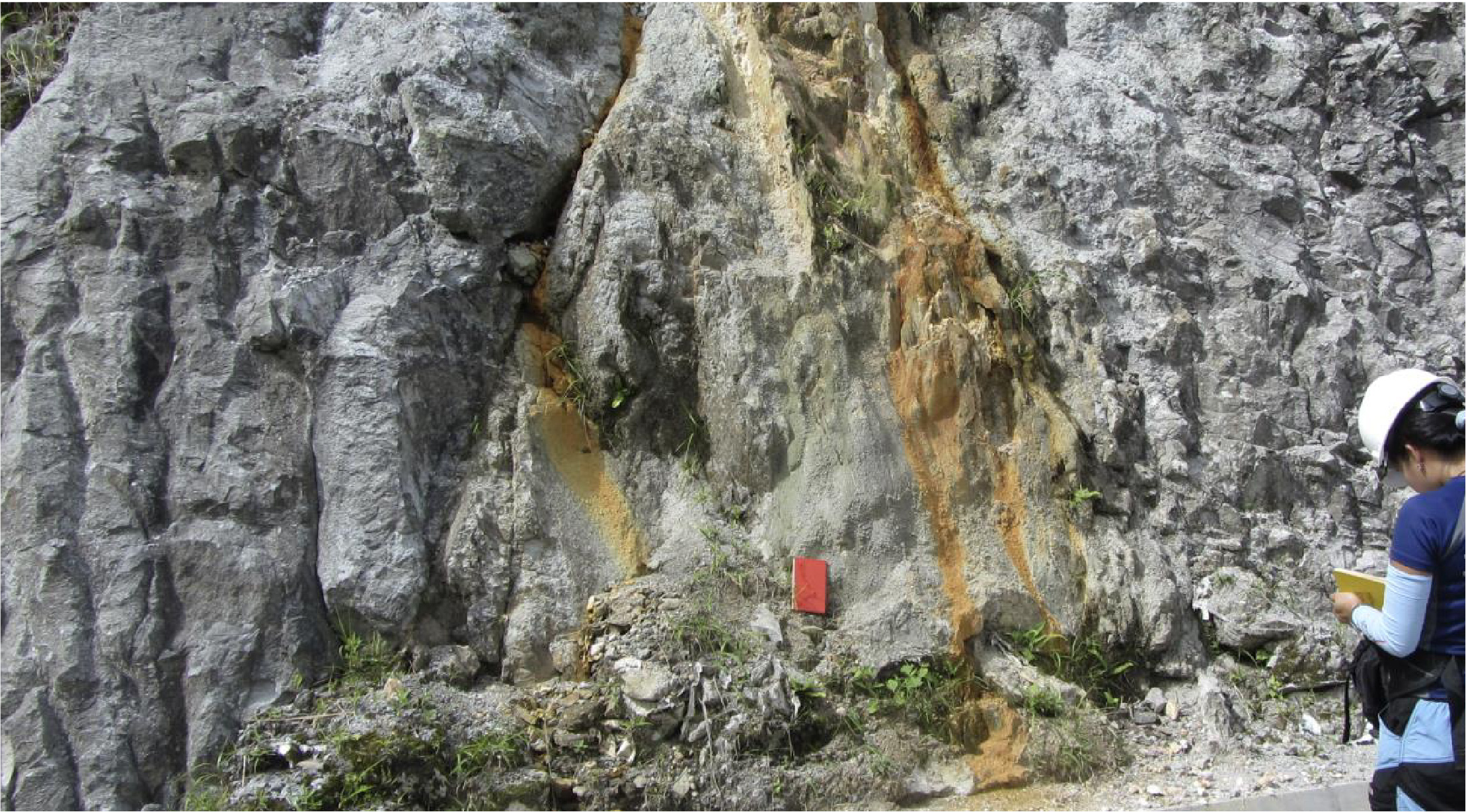
This course will explore a range of outcrops in central California to study topics inherent to the energy transition. Participants will be introduced to the tectonic setting of Western North America that provides opportunities for geothermal energy production, carbon sequestration (both mineralization and pore-scale trapping) and additionally, natural hydrogen exploration. Participants will learn how to characterize the locations of potential projects and explain the key geological factors that affect these and their feasibility. 


Duration and Logistics

A 7-day field course based in Sacramento, California. Training will take place through in-class presentations, field observations, printed exercises and discussions in the field. Transport will be by coach.


Exertion Level

The field component of this course requires an EASY exertion level. There will be short hikes to outcrops mostly on flat to gently sloping terrain and gravel tracks. The climate in California during the spring and fall is variable with temperatures from 50°F (10°C) to hot and dry up to 100°F (38°C).


Level and Audience

Fundamental. The course is intended for a variety of professionals working in the energy transition including those responsible for policy on energy, regulators, energy sector investors and also those working on conservation.  The course would also be suitable for geoscientists interested in a broad overview of energy transition topics.


Objectives

You will learn to:

  1. Evaluate the regional tectonic framework and evolution for prediction of energy transition opportunities.
  2. Describe regional geothermal systems and understand their relationships to tectonic evolution.
  3. Analyze ultramafic rocks that are targeted for CO2 mineralization studies and natural hydrogen exploration.
  4. Compare outcrop analogues to subsurface data for carbon sequestration in sedimentary rocks from several depositional environments.
  5. Characterize the locations of potential projects and explain the key geological factors that affect these and their feasibility.

Principles of Subsurface Energy Storage (G564)

Tutor(s)

Kevin Taylor: Professor in Energy Geoscience, The University of Manchester.

Overview

The aim of this course is to give an overview of the requirement, and the range of subsurface solutions, for energy storage. It will cover the key aspects of energy supply and demand, the role that subsurface energy storage can play in addressing this, and the key role that subsurface energy storage will play in decarbonizing energy as a key part of the energy transition. We will cover the fundamental geological, technical, environmental and societal aspects of hydrogen storage, compressed air storage, natural gas storage and heat storage. We also will briefly cover emerging solutions, such as chemical subsurface storage and geo-batteries.

Duration and Logistics

Classroom version: A 1-day course comprising a mix of lectures, case studies and exercises. The manual will be provided in digital format and participants will be required to bring a laptop or tablet computer to follow the lectures and exercises.

Virtual version: Two 3.5-hour interactive online sessions. Some short exercises (e.g. handling some basic data, estimating energy storage capacity, etc.) will be undertaken within the course. In-course questions / polls will be included. A digital manual and exercise materials will be distributed to participants before the course.

Level and Audience

Fundamental. The course is aimed at technical staff from a wide range of backgrounds, and an understanding of specific subsurface geoscience / engineering will not be assumed. The subject matter will be covered from first principles and will be of interest to staff from a range of backgrounds, including geological, engineering and commercial.

Objectives

You will learn to:

  1. Understand the nature of energy demand and supply within the context of the energy transition and the necessity for energy storage.
  2. Recognize the different ways in which energy can be stored in the subsurface, including natural gas storage, hydrogen storage, compressed air storage and heat storage.
  3. Appreciate the specific geological and technical requirements for different energy storage solutions, along with examples of where these are being deployed.
  4. Appreciate the challenges around subsurface storage, including fluids, gas and geomicrobiology aspects.
  5. Be able to frame subsurface energy storage within environmental, social and governance (ESG) considerations.

Lessons from Energy Transitions: Future Integrated Solutions that Sustain Nature and Local Communities, NE England, UK (G557)

Tutor(s)

Gioia Falcone: Rankine Chair of Energy and Engineering, University of Glasgow.

Bob Harrison: Director, Sustainable Ideas Ltd.

Overview

This course considers the past and future energy transitions in the northeast of England, and their impact and legacy on the region’s industrial sector, local communities and nature conservation. It is hoped that lessons learnt from the past experiences in the region will help a sustainable energy transition. The course will cover CCS, hydrogen generation, wind and nuclear power, geothermal energy and the repurposing of legacy assets.

Duration and Logistics

A 6-day field course with site visits supported by classroom sessions. The course will be based in the town of Hartlepool, County Durham, to provide easy access to nearby coastal and inland locations.

Level and Audience

Fundamental. The course is intended for professionals working in energy transition, nature conservation and community engagement; those responsible for policy on energy and conservation matters; and energy sector investors.

Exertion Level

The course requires an EASY exertion level. Outcrops include coastal sections and inland exposures all with easy access. There will be some walks along beaches and easy paths through dunes with a maximum distance of around 5km (3 miles) or less.

Objectives

You will learn to:

  1. Describe and explain the overall potential of the region for integrated solutions with the context of the present energy transition.
  2. Characterize the locations of potential projects and explain technical factors that affect these and their feasibility.
  3. Describe how wider factors can affect feasibility of the projects including the environmental and social impacts.
  4. Evaluate strategic choices for local and regional policy makers, as well as landowners and investors.
  5. Make predictions and assessments of other regions in the UK for the potential development of similar projects.

Geoenergy Production, Injection and Storage Engineering (G546)

Tutor(s)

Gioia Falcone: Rankine Chair of Energy and Engineering, University of Glasgow.

Overview

This course covers fundamental aspects and best practices of production, injection and storage engineering for different geoenergy applications, where the subsurface is used as a source (hydrocarbons, geothermal energy), or as a periodic/seasonal store (natural gas, compressed air, hydrogen, thermal energy), or as a sink (CO2, radioactive waste). The course focuses on an integrated system approach, to ensure compatibility between subsurface and surface engineering processes, and to understand scalability of technologies that may play a pivotal role in the transition to a sustainable energy future.

Duration and Logistics

Classroom version: A 3-day course comprising a mix of lectures, case studies and exercises. The manual will be provided in digital format and participants will be required to bring a laptop or tablet computer to follow the lectures and exercises.

Virtual version: Five 3.5-hour interactive online sessions presented over 5 days. A digital manual will be distributed to participants before the course. Some reading is to be completed by participants off-line.

Level and Audience

Advanced. The course is intended for geoscientists, geoengineers, project managers and regulators wishing to learn how to design, manage and monitor integrated geoenergy systems, from the subsurface to the surface (and vice versa), including the associated uncertainties and risks.

Objectives

You will learn to:

  1. Appreciate the different ways in which the subsurface can be exploited for different geoenergy applications.
  2. Bring together the different elements of a production/injection/storage geoenergy system towards integrated design and management.
  3. Identify the uncertainties and risks of different geoenergy projects over their lifetimes.
  4. Assess the impact of different operational requirements on overall system design and performance.
  5. Optimize system performance under constraints.

Re-purposing Oil and Gas Infrastructure for the Energy Transition (G541)

Tutor(s)

Bob Harrison: Director, Sustainable Ideas Ltd.

Overview

Attaining net zero greenhouse gas emissions by 2050 will require strategies to use existing and emerging low- or zero-carbon technologies. One potential opportunity is to repurpose existing hydrocarbon facilities to help meet net zero targets in the UK. This course investigates the technical challenges around this topic and examines whether integrating such infrastructure could lower costs and accelerate the energy transition while simultaneously postponing the decommissioning of ageing assets.

Duration and Logistics

Classroom version: A 2-day course comprising a mix of lectures, case studies and exercises. The manual will be provided in digital format and participants will be required to bring a laptop or tablet computer to follow the lectures and exercises.

Virtual version: Four 3.5-hour interactive online sessions presented over 4 days. Digital course notes and materials will be distributed before the course. The tutor will also work through a series of exercises with the group

Level and Audience

Intermediate. The course is intended for professionals working in energy transition, those involved in energy policy and energy sector investors.

Objectives

You will learn to:

  1. Understand how repurposing hydrocarbon infrastructure may aid energy transition.
  2. Appreciate how the handling of CO2, hydrogen and heat differs from oil and gas.
  3. Select sites for potential underground storage and sources of geothermal energy.
  4. Determine the suitability and availability of infrastructure for re-use.
  5. Evaluate the pros and cons of using captured CO2 for enhanced oil recovery rather than storage.
  6. Appreciate how repurposed wells and co-produced water may help potential geothermal development.
  7. Characterize risks and uncertainties in energy transition projects and discuss possible mitigation strategies.
  8. Estimate potential cost savings from hydrocarbon infrastructure re-use.

An Introduction to GeoEnergy Transition Projects: Field Seminar in Cornwall, UK (G518)

Tutor(s)

Alistair Donohew: Director, Kovia Consulting Ltd.

Richard Swarbrick: Manager, Swarbrick GeoPressure.

Overview

Cornwall is exceptionally rich in geological resource and is emerging as an important location for developing new technologies in the UK transition to a Net Zero economy. This course provides a snapshot of several operational and demonstration GeoEnergy Transition projects, as well as visits to associated traditional Cornish outcrops and rejuvenated mining operations. Examples of specific projects to be investigated include a deep geothermal energy site and a critical mineral (lithium) extraction site. Participants will also investigate sites previously considered for deep storage of nuclear waste and locations associated with low enthalpy energy from mine waters. Participants will gain a practical and technical understanding of several geoenergy projects and should be able to apply this learning to other geological locations worldwide.

Duration and Logistics

A 6-day field course with a combination of field activities and exercises, plus classroom sessions.

Level and Audience

Fundamental. This course is intended for technical professionals working in related sectors. Participants will be shown the context and challenges for developing low carbon technologies for energy, as well as the parallel examination of surface renewable energy technologies.

Exertion Level

This class requires an EASY exertion level. Field locations are mainly accessed by a short walk of less than 1 mile (1.6km) along coastal paths or on sandy / cobbled beaches. Other field stops include working industrial sites (e.g. quarries).

Objectives

You will learn to:

  1. Describe and explain the geoenergy resource potential of Cornwall.
  2. Characterize ideal locations and explain technical factors that affect different resource potentials.
  3. Describe how wider factors can affect feasibility of certain geoenergy resources, including the environmental, social and economic (political and commercial) factors.
  4. Evaluate strategic choices for local and regional policy makers, as well as landowners and investors.

Fractures and associated Structural Concepts for the GeoEnergy Transition: a Virtual Field Course (G511)

Tutor(s)

Richard Jones: Managing Director, Geospatial Research Ltd.

Overview

Making extensive use of virtual outcrop technologies, this course will provide participants with a field trip itinerary that includes contrasting natural fracture networks from a wide range of rock types and structural settings. The course will combine fieldwork-based appraisal of fractures with collation and processing of different types of fracture data and their practical uses in GeoEnergy Transition applications.

Duration and Logistics

Classroom version: A 3-day course comprising a mix of lectures, case studies and exercises. The manual will be provided in digital format and participants will be required to bring a laptop or tablet computer to follow the lectures and exercises.

Virtual version: Five 3.5-hour interactive online sessions presented over 5 days. A digital manual and exercise materials will be distributed to participants before the course. Some reading and exercises are to be completed by participants off-line.

Level and Audience

Intermediate. The course is intended for geoscientists looking to understand the importance of fracture systems and to learn practical methods of appraising natural fracture networks. Target participants include geologists, geoengineers and hydrogeologists, as well as oil and gas professionals looking to apply their existing expertise in new sectors.

Objectives

You will learn to:

  1. Describe the geometry and morphology of individual fractures in outcrop, and interpret the mode of fracturing.
  2. Assess relative timing of fractures, and designate fractures to different sets.
  3. Supplement outcrop data with interpretation from aerial and satellite imagery.
  4. Characterize spatial properties of the fracture network, including spacing, clustering and scaling (size-intensity) relationships.
  5. Evaluate the nature of fracturing in relation to larger scale features: folds, faults and mechanical stratigraphy.
  6. Collate fracture data to produce a conceptual fracture model.
  7. Understand the interplay between fractures and matrix, in terms of porosity and permeability, and the implications for fluid storage and flow.
  8. Predict the general performance of a fracture network in practical GeoEnergy Transition applications.
  9. Recognize the strengths and limitations of different sources of fracture data, and the advantage of combining field data with other data types.

An Introduction to Geospatial Workflows (G510)

Tutor(s)

Richard Jones: Managing Director, Geospatial Research Ltd.

Overview

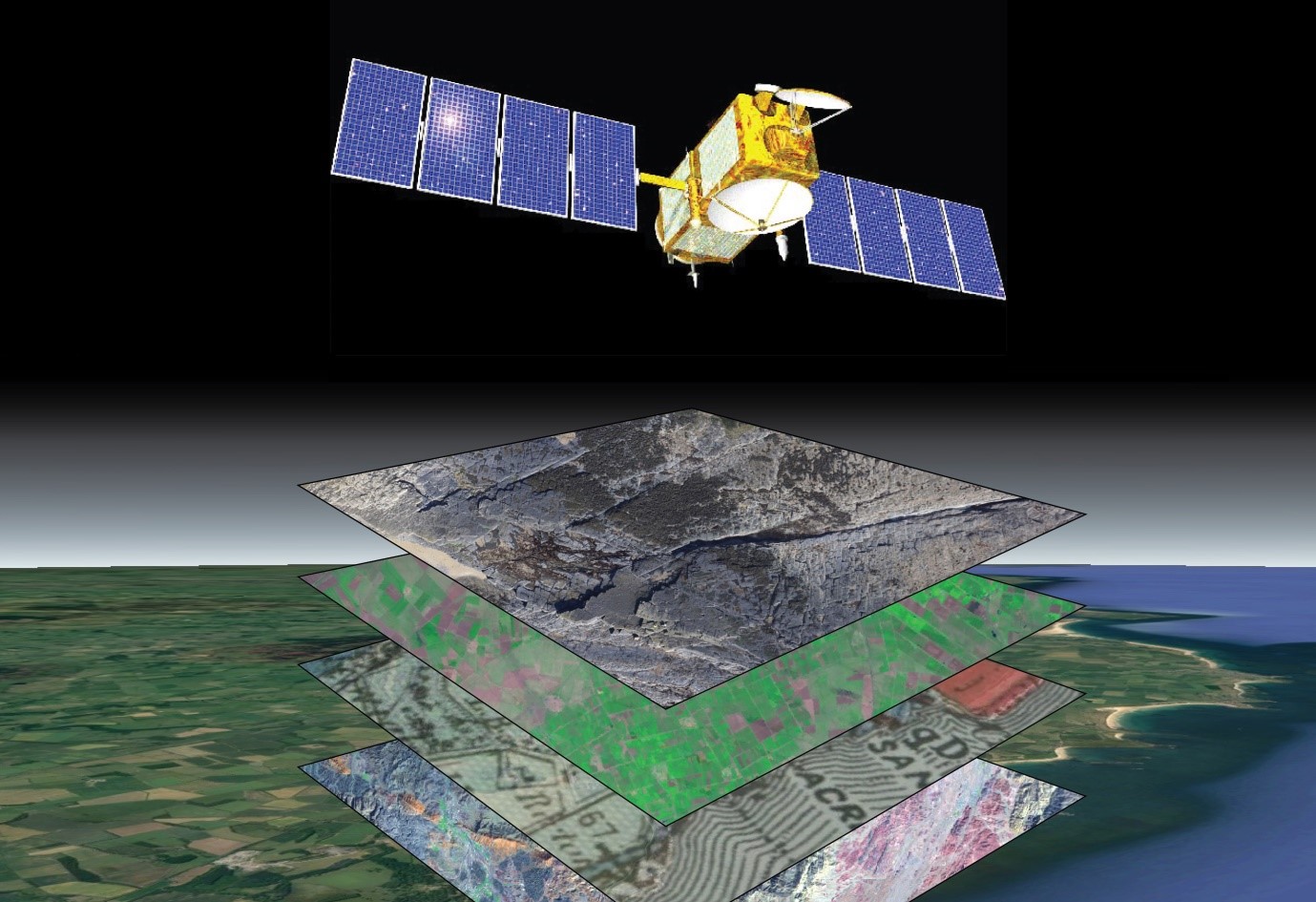
This course provides a broad overview of geoinformatics and the practical application of geospatial technologies to tackle key challenges of the GeoEnergy Transition.

Duration and Logistics

Classroom version: A 1.5-day course comprising a mix of lectures, case studies and exercises. The manual will be provided in digital format and participants will be required to bring a laptop or tablet computer to follow the lectures and exercises.

Virtual version: Three 3.5-hour interactive online sessions presented over 3 days. A digital manual and exercise materials will be distributed to participants before the course. Some reading and exercises are to be completed by participants off-line.

Level and Audience

Fundamental. The course is intended for any geoscientists looking to increase their understanding and practical experience of spatial data and workflows.

Objectives

You will learn to:

  1. Recognise different types of spatial data, and how they can be represented and stored in Geographic Information Systems (GIS) and related software.
  2. Describe the pros and cons of 2-D and 3-D geospatial user interfaces as a primary way to organize and access data.
  3. Understand spatial resolution, precision and accuracy.
  4. Assess different approaches to evaluating spatial data, including geostatistics and geospatial analysis.
  5. Download and process earth observation satellite imagery.
  6. Acquire and process Global Navigation Satellite System (GNSS) data for high precision spatial positioning.
  7. Evaluate current trends in the GeoEnergy Transition.